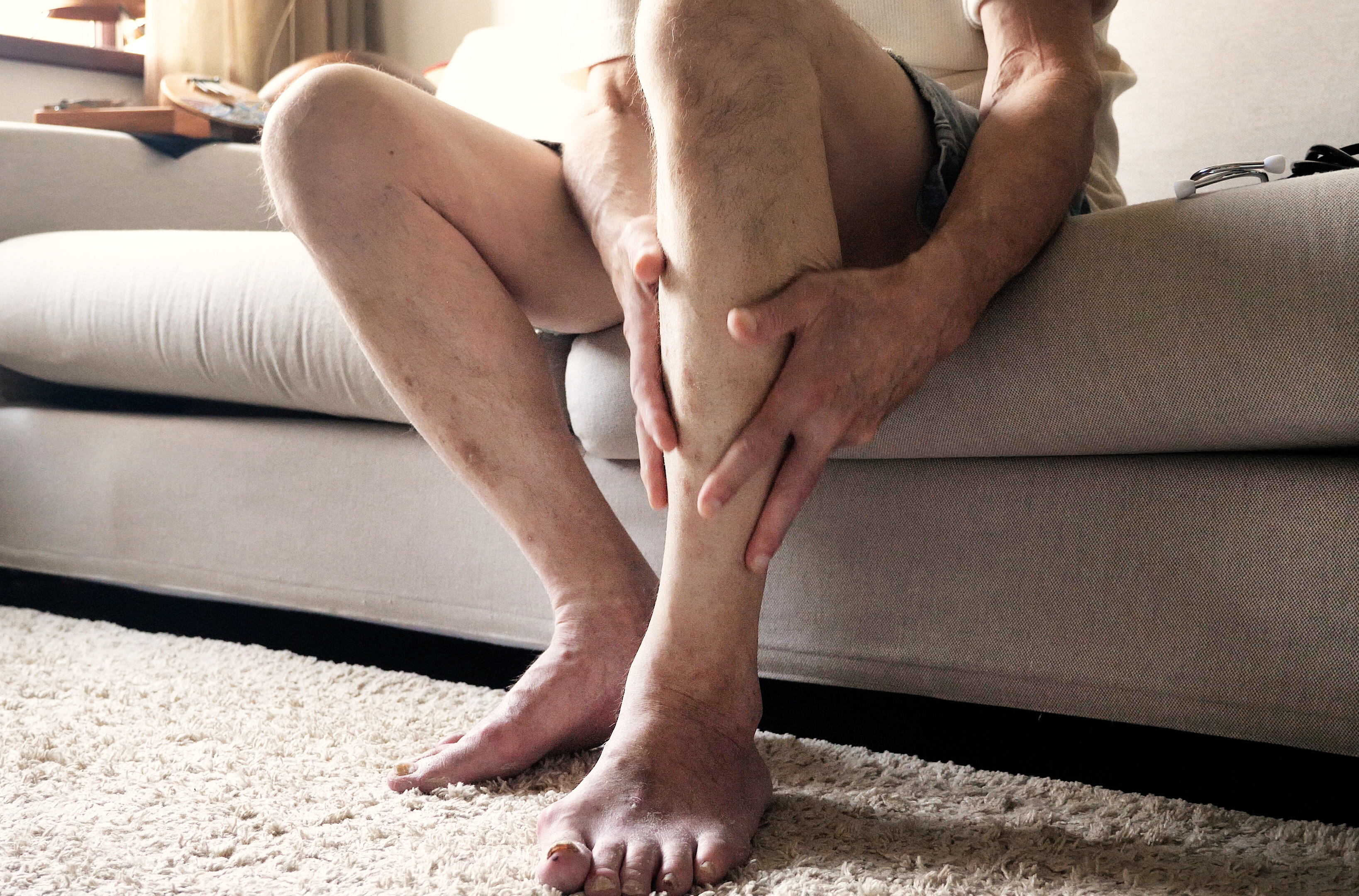
Leg swelling is one of the most common reasons patients visit our office. For people with venous insufficiency, swelling can range from a minor nuisance to a condition that significantly impacts daily life.
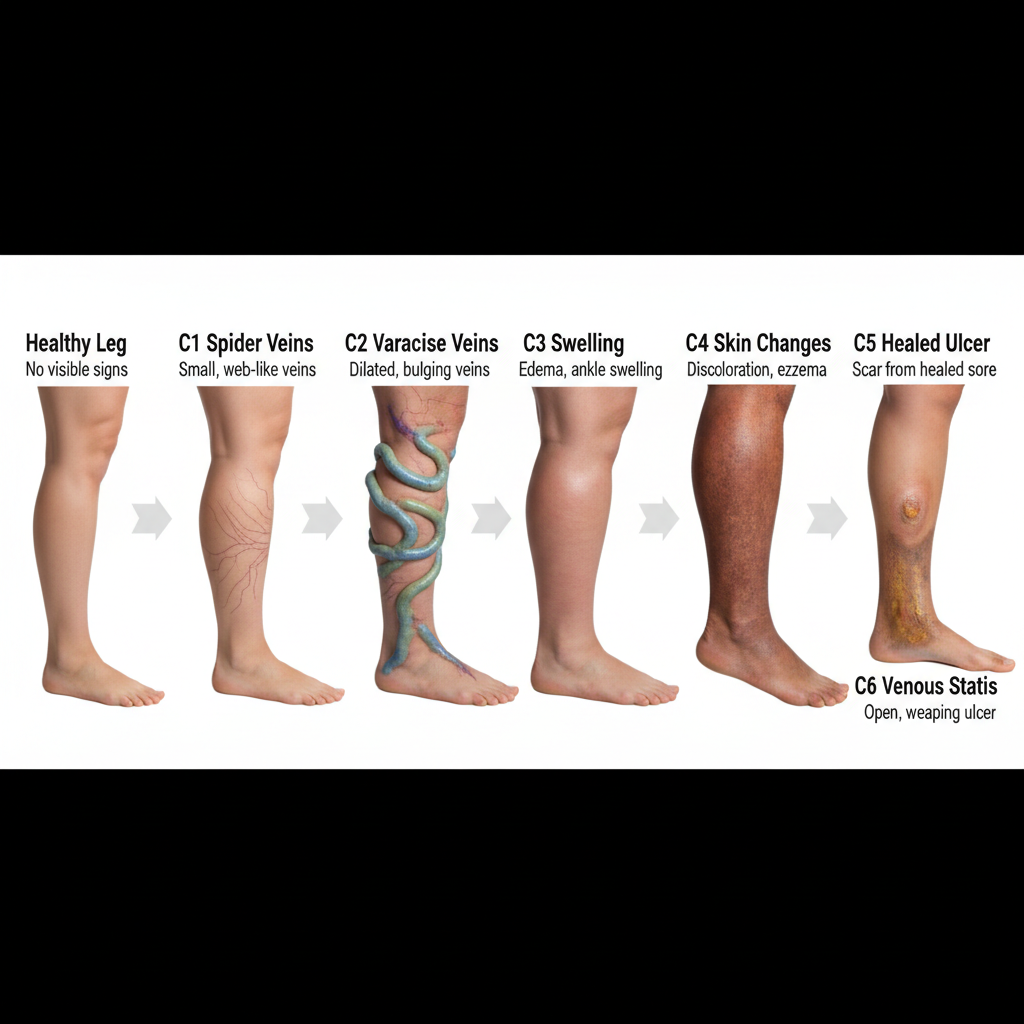
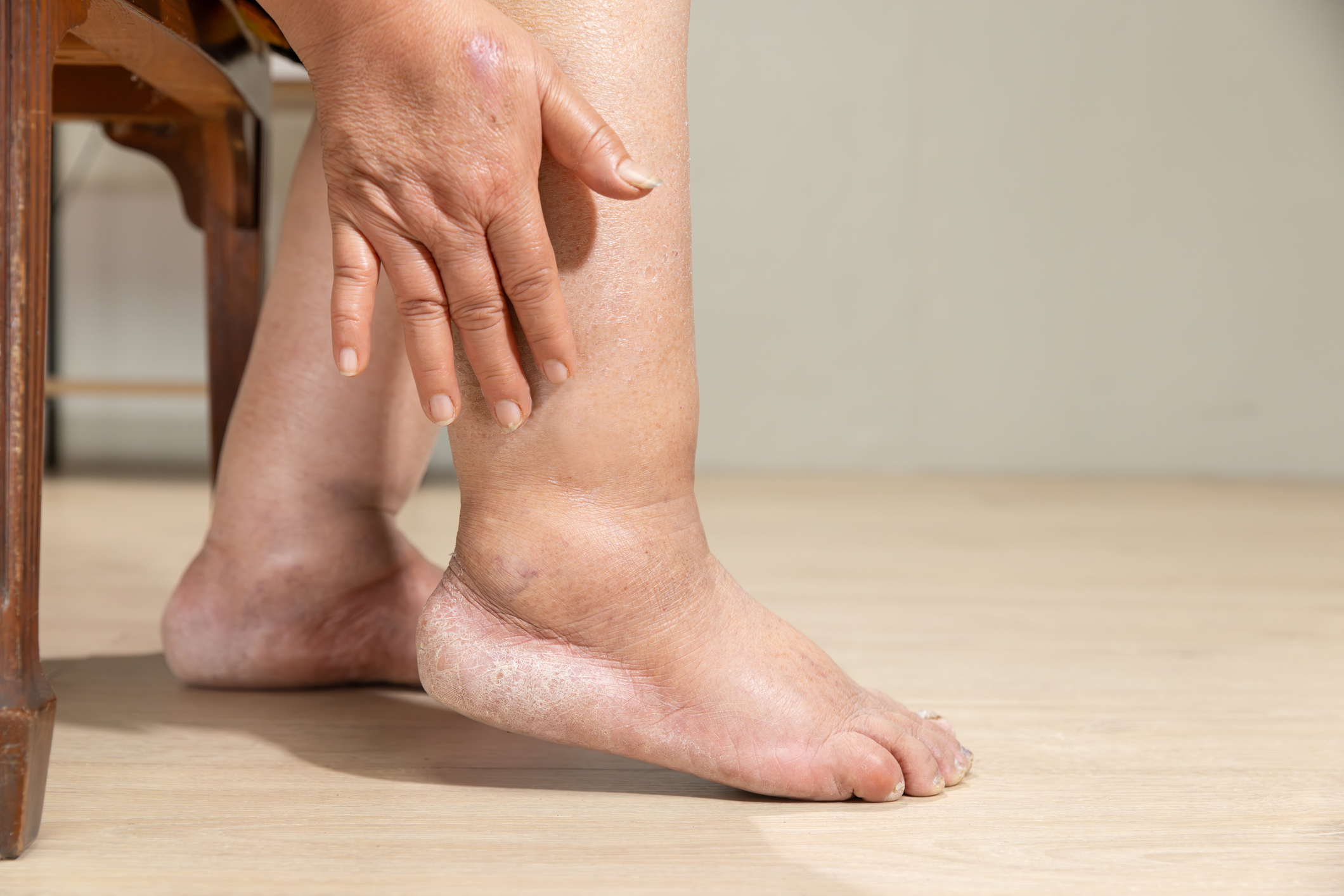
Some patients simply notice sock marks around their ankles at the end of the day. In many cases, this mild swelling has little clinical significance. Others develop severe swelling of the calves and ankles that can lead to skin changes, inflammation, or even open sores. These patients often experience significant pain, heaviness, and fatigue that limit walking, exercise, and other daily activities.
When left untreated, chronic leg swelling can contribute to reduced mobility, weight gain, worsening cardiovascular health, sleep apnea, and a decreased quality of life.
What Causes Leg Swelling?
There are many possible causes of leg swelling, including congestive heart failure, kidney disease, liver disease, certain medications, and other medical conditions. A thorough medical evaluation is important to identify the underlying cause.
At Allure Medical, many of the patients we evaluate are otherwise healthy and active. In these individuals, leg swelling is often caused by a combination of chronic venous insufficiency and lymphatic dysfunction (lymphedema).
Too Much Fluid Going Into the Legs
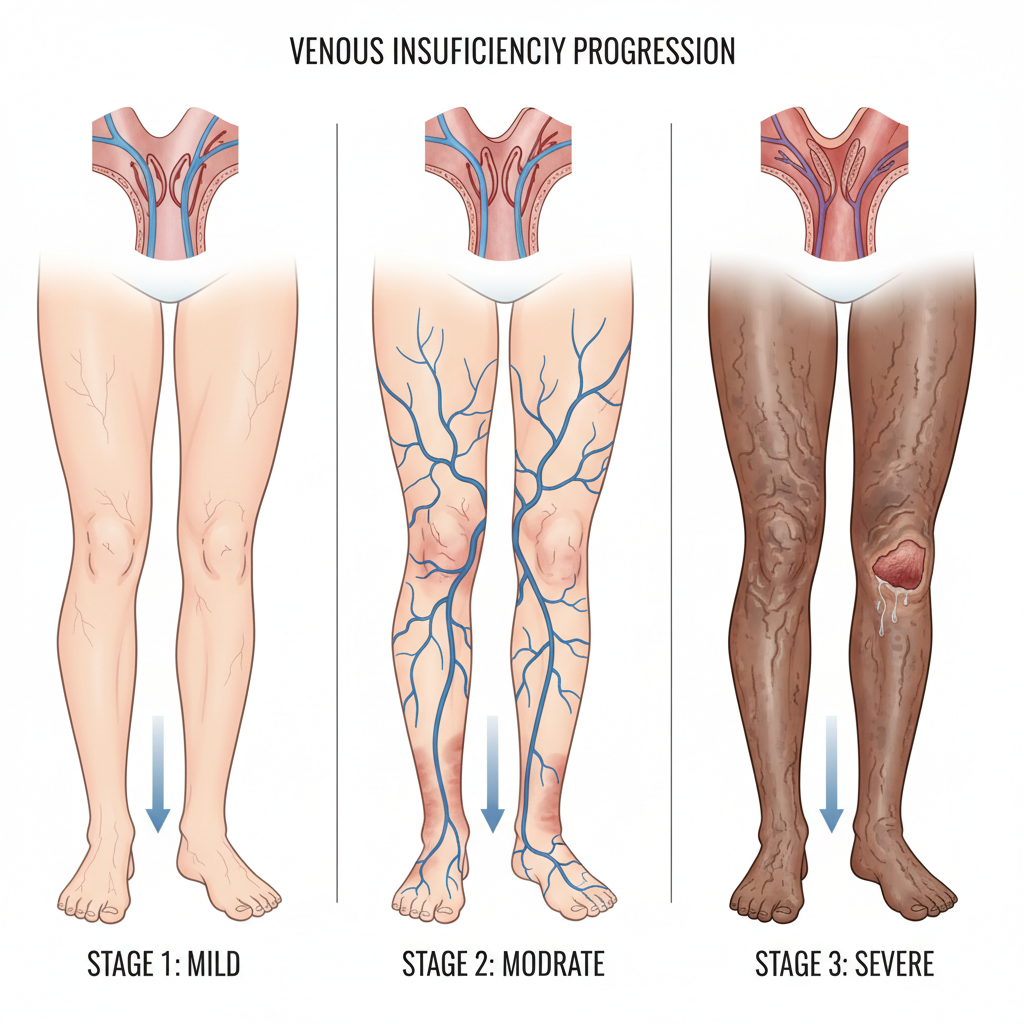
Healthy veins contain one-way valves that help return blood from the legs back to the heart. When these valves become damaged or fail, blood flows backward and pools in the legs—a condition known as venous insufficiency.
This increased pressure forces excess fluid out of the blood vessels and into the surrounding tissues, leading to swelling.
Not Enough Fluid Leaving the Legs
Your lymphatic system serves as the body's drainage network. Lymphatic vessels collect excess fluid from the tissues and return it to the bloodstream.
Like veins, lymphatic vessels also contain valves. Over time, these valves can become damaged or ineffective. When this happens, the lymphatic system cannot remove fluid as efficiently, allowing swelling to progressively worsen.
For many patients, chronic leg swelling develops because both venous insufficiency and lymphatic dysfunction are present simultaneously.
Why Some Treatments Don't Fully Solve the Problem
Leg swelling is often more complex than simply retaining excess water.
Many patients are told their swelling is solely related to excess weight. While maintaining a healthy weight is beneficial and can reduce swelling, weight loss alone does not repair damaged venous or lymphatic valves.
Similarly, diuretics ("water pills") are sometimes prescribed to reduce swelling. These medications remove fluid from the body, but they do not correct the underlying valve dysfunction. As a result, many patients report frequent urination with little improvement in their leg swelling.
Redness in swollen legs is another common concern. While infection is sometimes the cause, chronic swelling can also produce inflammation that closely resembles cellulitis. Distinguishing between inflammation and infection is important because the appropriate treatment differs. Your healthcare provider can determine whether antibiotics or other therapies are needed.
The Most Effective Treatment Addresses Both Problems
Successful treatment of chronic leg swelling usually requires addressing both the venous and lymphatic systems.
Treatments for venous insufficiency—including minimally invasive vein procedures—help reduce the abnormal backflow of blood and decrease the amount of fluid leaking into the legs.
However, patients with significant swelling often also need compression therapy to help move excess fluid out of the tissues.
Compression Stockings
Compression stockings are commonly recommended as an initial treatment. While many patients benefit from them, others find they are uncomfortable, difficult to put on, too warm, or simply do not provide enough relief.
Pneumatic Compression Pumps
For patients with more significant swelling, pneumatic compression pumps can be highly effective.
These devices wrap around the leg and use sequential waves of air pressure to gently move fluid from the foot upward, helping the lymphatic and venous systems return fluid to the circulation. Treatments are typically performed at home for about an hour each day.
When combined with appropriate treatment for venous insufficiency, compression pumps can significantly reduce swelling, improve comfort, increase mobility, and enhance quality of life. For many patients with chronic leg swelling, they can be truly life-changing.
When Should You Seek Evaluation?
If you experience persistent swelling in one or both legs—especially if it is accompanied by pain, heaviness, skin discoloration, or wounds that are slow to heal—it is important to seek medical evaluation.
Many causes of leg swelling are treatable, and identifying the underlying problem early can help prevent long-term complications.
At Allure Medical, we specialize in diagnosing the underlying causes of chronic leg swelling and developing personalized treatment plans to help patients regain comfort, mobility, and confidence.
Ready to Take Control of Your Vein Health?
Our board-certified vein specialists offer free screenings at 7 locations across Michigan and South Carolina.
Book Your Free Screening