The term "varicose vein" can be misleading. The public might think of a varicose vein as a large, dilated, bulging vein on the surface of the skin, but that is not the real definition.
A varicose vein is a vein that has become enlarged and twisted. Obviously, you don't know what size the vein was previously, so you can't guarantee that it has become enlarged unless the patient has noticed the growth of the vein.
Unless it is on the surface of the skin, you can't see if the vein is straight or twisting. This is why we look for venous insufficiency as a hemodynamic feature as well as recording clinical symptoms and doing a physical exam.
Typically, you still have to use the varicose vein diagnostic code for reimbursement even though the varicose vein is not the main problem. The main problem may be an ulcer, so it is a "varicose vein with ulceration."
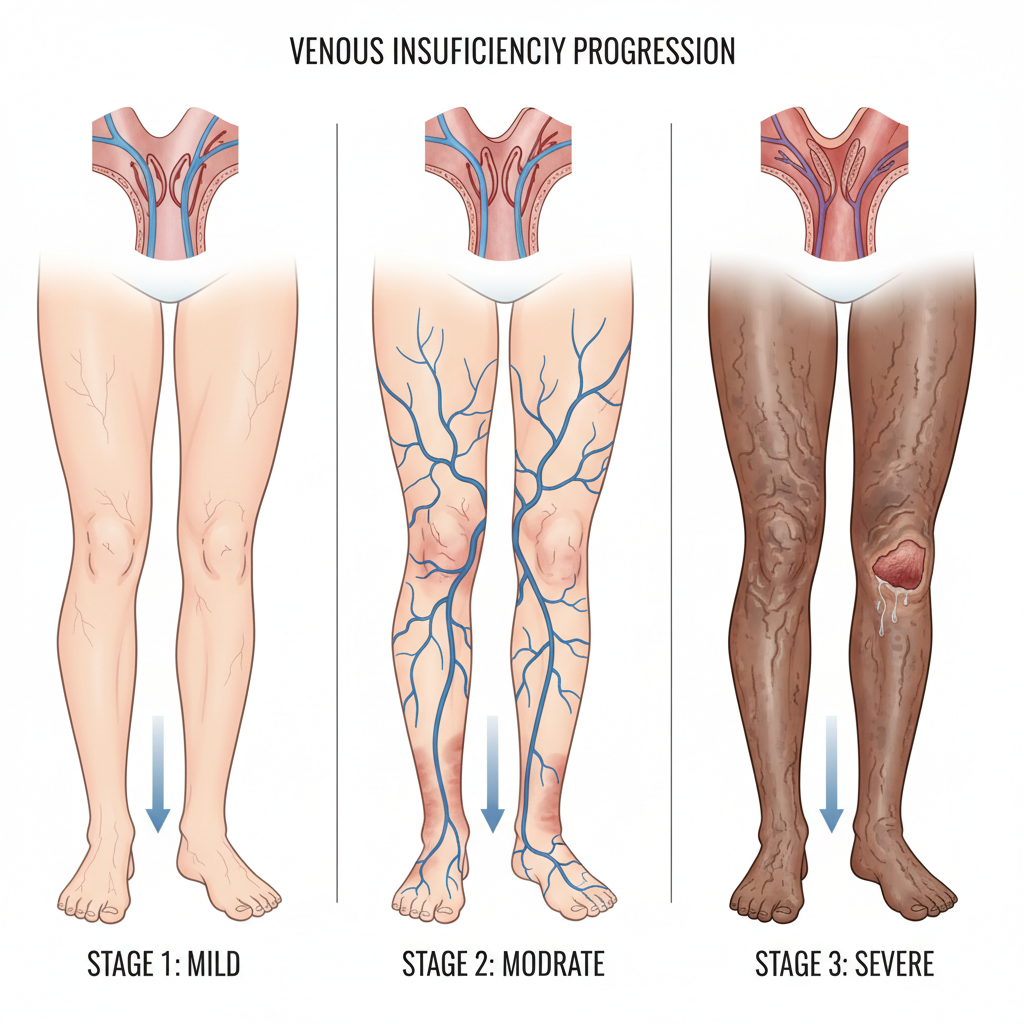
Our last blog broke down the CEAP classification system. Another classification system that has been around since 1976 was the classification of venous insufficiency. Widmer's classification system broke venous insufficiency into three stages:
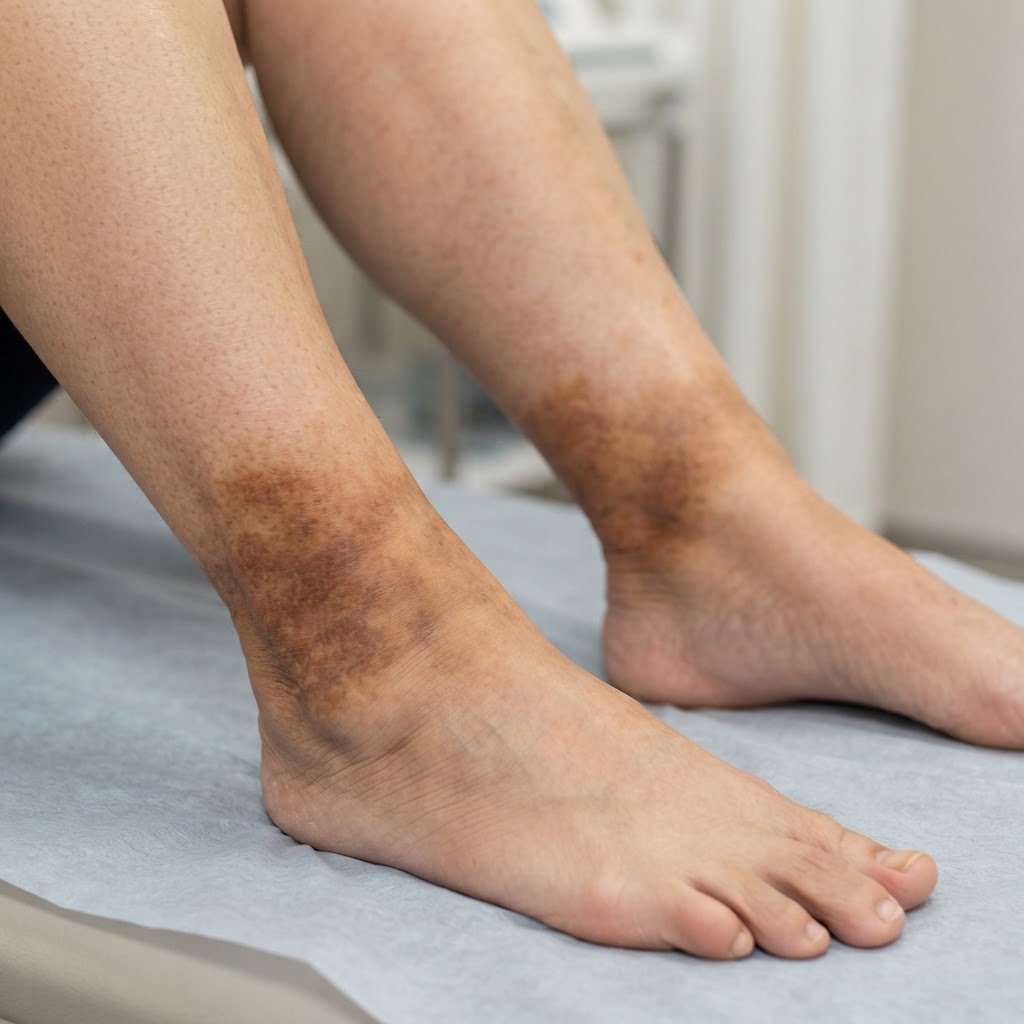
Venous insufficiency is a progressive disease. In a paper titled "Progression and Venous Pathology" the authors found that 58% of all patients with venous insufficiency had progression over time, worsening at a rate of about 4.3% per year over 13 years of observations. The most significant predictors of the progression of varicose veins towards leg ulcers were corona phlebectatica, skin changes, popliteal reflux, and obesity.