A venous leg ulcer is an open sore on the lower leg caused by unhealthy pressure in the veins, often from chronic venous insufficiency. Dressings protect the wound, and properly prescribed compression helps control swelling and supports blood flow. But if duplex ultrasound shows treatable venous reflux, addressing that underlying vein problem may help the ulcer heal faster when combined with compression.
That is why a venous leg ulcer needs more than a bandage. Effective care looks at both the wound you can see and the circulation problem beneath it.
Key Takeaways
- •A venous leg ulcer is caused by chronic venous disease, not just a skin problem.
- •Venous ulcers often recur when the underlying venous reflux or obstruction is not treated.
- •Compression therapy, when medically appropriate, is a central part of venous ulcer care.
- •Duplex ultrasound can identify treatable venous reflux that may be contributing to the ulcer.
- •Early endovenous ablation combined with compression may accelerate healing in eligible patients.
What Is a Venous Leg Ulcer?
A venous leg ulcer is a slow-healing wound caused by chronic venous disease. It commonly develops on the lower leg, especially near the inner ankle.
Healthy leg veins use one-way valves and the calf-muscle pump to move blood toward the heart. When those valves are damaged or do not close properly, blood can flow backward, a problem called venous reflux. Blood and fluid then collect in the lower leg, increasing pressure inside the veins.
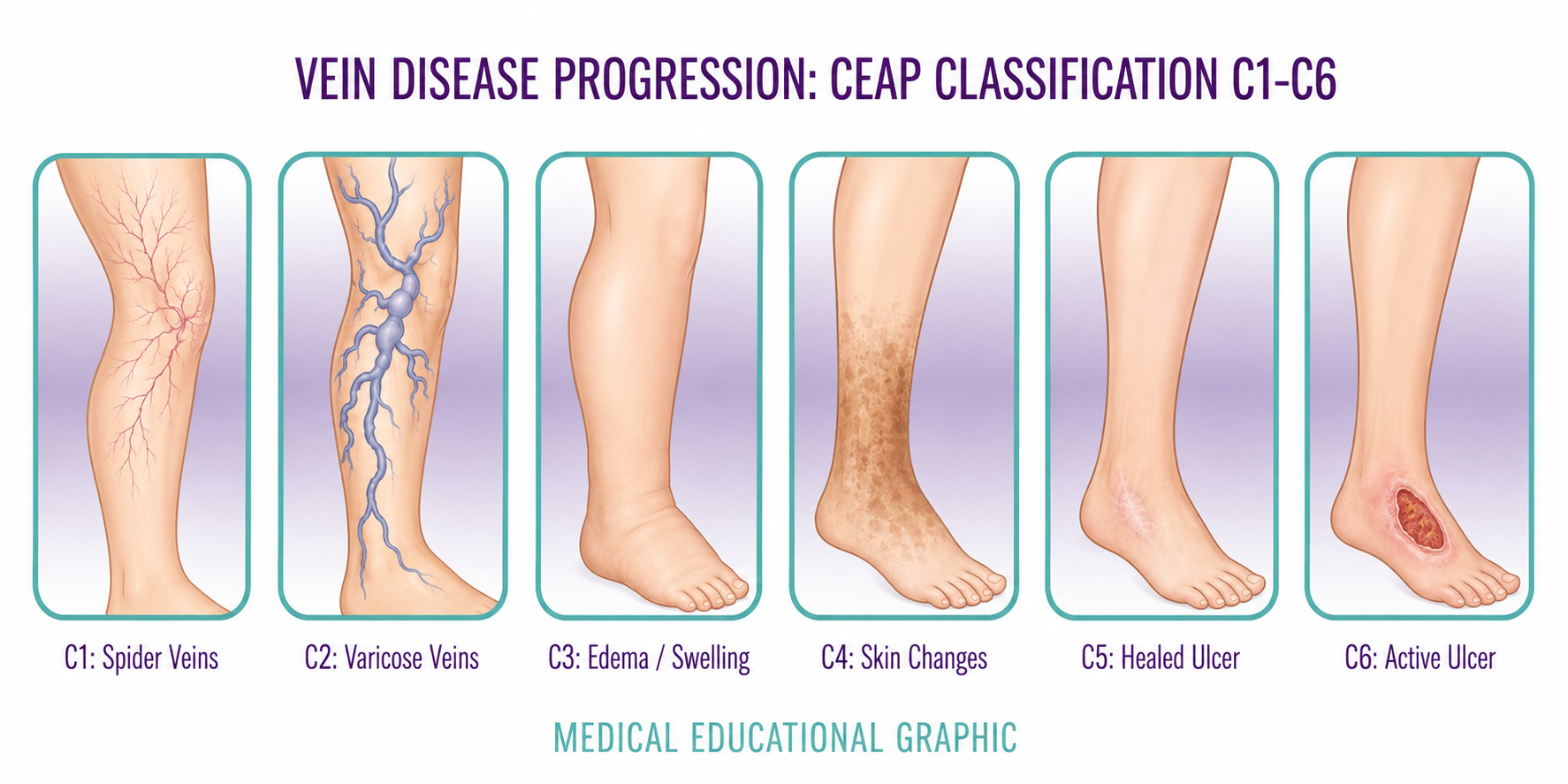
Over time, this persistent venous hypertension can drive inflammation, swelling, skin thickening, discoloration, and tissue breakdown. A small injury may then become a wound that is difficult to heal, or the skin may break down without an obvious injury.
Venous ulcers are not the only type of leg ulcer. Arterial disease, diabetes, pressure, inflammation, infection, trauma, and skin cancer can also cause nonhealing sores. A clinician should determine the cause before treatment begins.
Why Do Venous Leg Ulcers Keep Coming Back?
Venous ulcers often recur because the wound closes while the conditions that caused it, including venous reflux, swelling, or obstruction, remain.
Think of the ulcer as the visible result of pressure building below the surface. Wound care can clean and protect the area. Compression can help control swelling and counter venous pressure when it is medically appropriate. However, neither step automatically corrects every diseased vein.
Recurrence may be more likely when:
- underlying venous reflux or obstruction has not been identified or treated;
- prescribed compression is stopped or used inconsistently after healing;
- leg swelling remains poorly controlled;
- walking or ankle movement is limited, weakening the calf-muscle pump;
- a previous deep vein thrombosis has damaged the venous system;
- skin changes, a new wound, or recurrent symptoms are not evaluated promptly; or
- another condition, such as arterial disease or diabetes, is also affecting healing.
The practical takeaway is simple: closing today's wound and reducing the chance of tomorrow's wound are related but distinct goals. Long-term management may include wound care, compression, evaluation of the venous system, treatment of eligible refluxing veins, and continued prevention after the skin has healed.
What Does a Venous Leg Ulcer Look and Feel Like?
A venous leg ulcer often appears as a shallow, irregularly shaped sore in the “gaiter” area between the calf and ankle. It may drain fluid and may be surrounded by swollen, itchy, firm, or discolored skin.
Common signs include:
- an open sore near the inner ankle or lower leg;
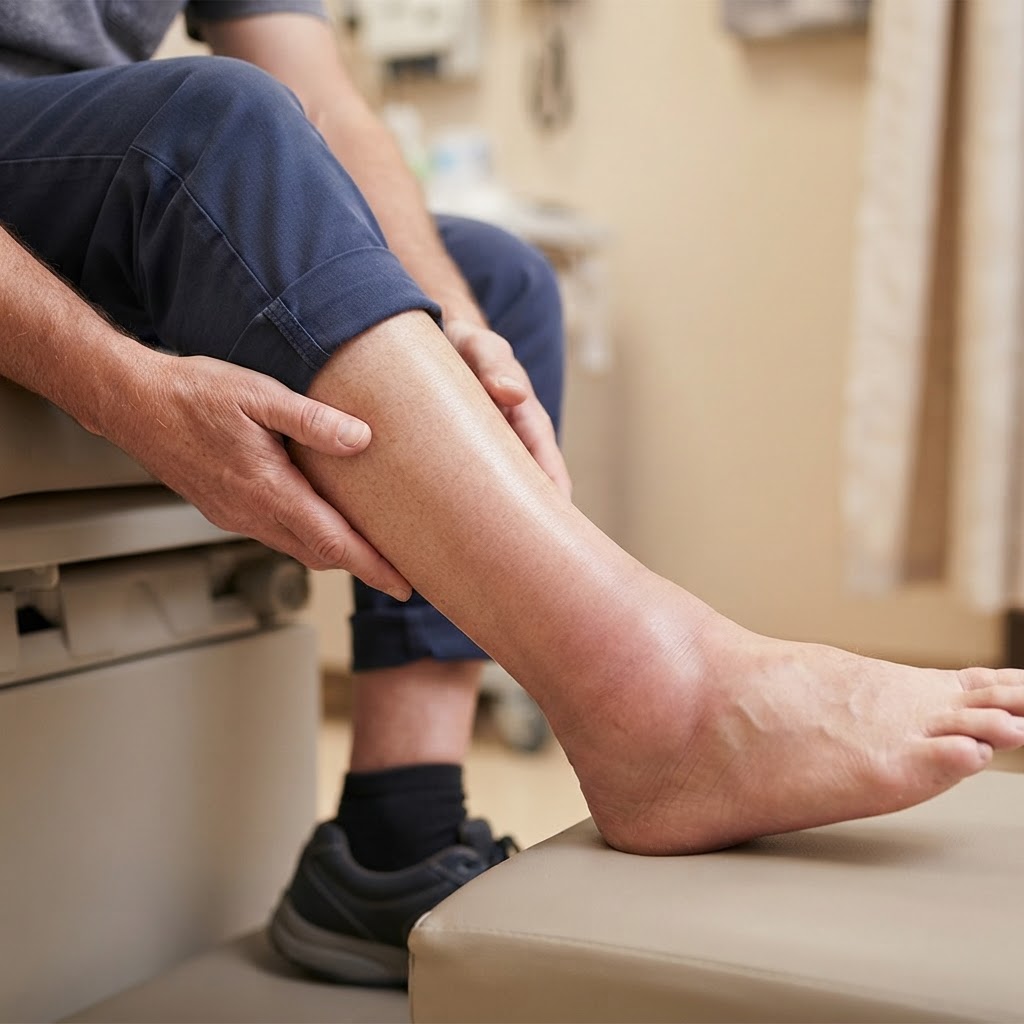
- leg or ankle swelling;
- aching, heaviness, throbbing, or tenderness;
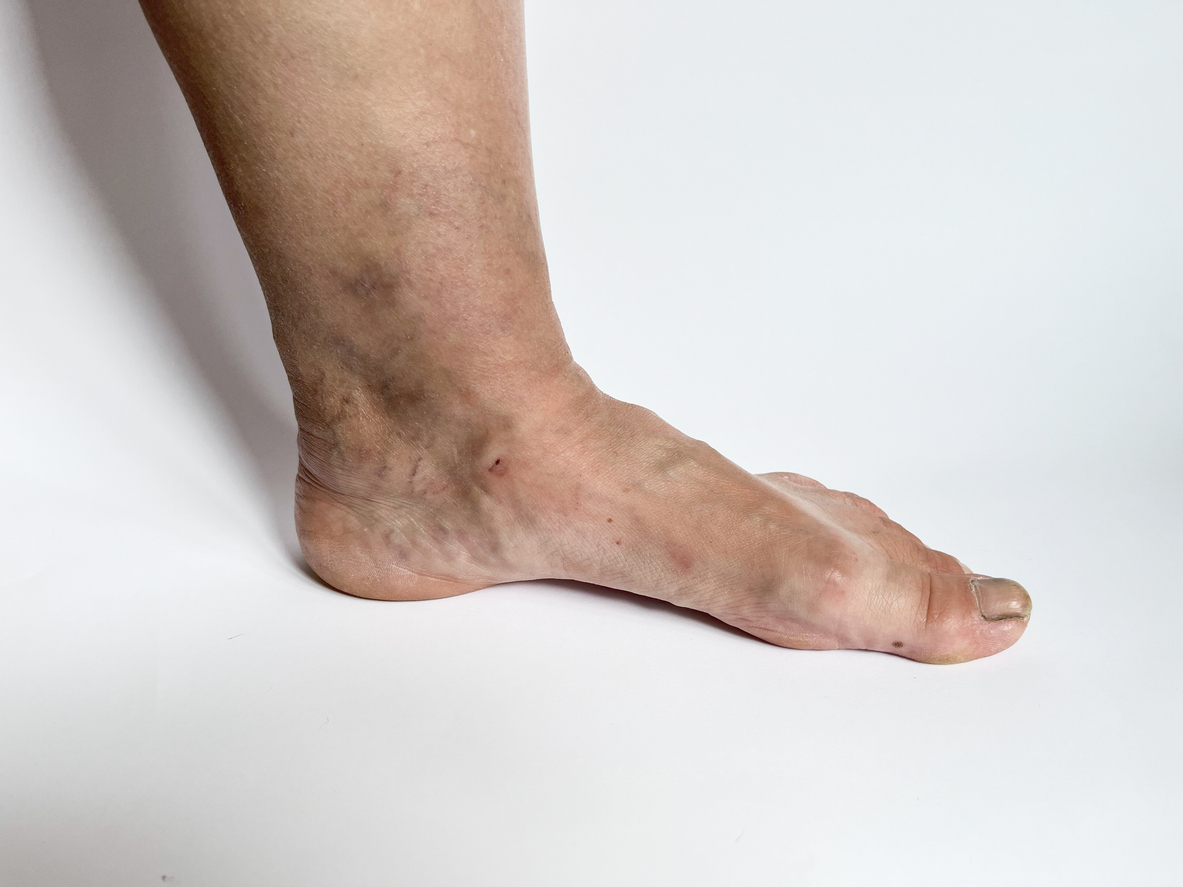
- brown or reddish discoloration around the ankle;
- itchy, dry, inflamed, thickened, or hardened skin;
- varicose veins;
- clear or yellowish drainage; and
- a wound that improves slowly or repeatedly reopens.
These features can suggest a venous cause, but appearance alone cannot confirm the diagnosis.
Why Brown Skin Around the Ankles Matters
Brown discoloration near the ankles is not always an age spot. In chronic venous insufficiency, prolonged pressure can allow red blood cells to leak into nearby tissue. As they break down, iron-containing pigment called hemosiderin can remain in the skin.
Discoloration may appear before an ulcer develops. Other warning changes include persistent swelling, itching or eczema-like irritation, tight or hardened skin, and a narrowed lower leg above the ankle. These are reasons to seek an evaluation rather than wait for the skin to open.
How Is a Venous Leg Ulcer Diagnosed?
A complete evaluation looks at the wound, the veins, and the arteries. It may include:
Medical history and examination. The clinician reviews the wound's location and duration, swelling, skin changes, pulses, previous ulcers, blood clots, mobility, diabetes, medications, and other factors that could affect healing.
Arterial circulation testing. An ankle-brachial index or another arterial test may be used to assess blood flow to the foot. This matters because strong compression can be unsafe when arterial circulation is significantly impaired.
Duplex ultrasound. This noninvasive test shows blood flow and helps identify superficial or deep venous reflux, obstruction, and changes related to a previous blood clot.
Additional testing when needed. Atypical, infected, or nonhealing wounds may require cultures, biopsy, imaging, laboratory tests, or referral to another specialist.
Because more than one circulation problem can be present at the same time, treatment should be based on an individual assessment, not on a photograph or symptom list alone.
What Is the Best Treatment for a Venous Leg Ulcer?
For many patients, the best approach combines appropriate wound care, medically supervised compression, and evaluation and treatment of the underlying venous disease. The exact plan depends on arterial blood flow, infection risk, wound characteristics, ultrasound findings, mobility, and overall health.
1. Wound Care
Wound care may include gentle cleansing, removal of unhealthy tissue when appropriate, moisture-balancing dressings, protection of the surrounding skin, pain management, and monitoring for infection.
Antibiotics are not routinely needed for every open ulcer. They may be prescribed when a clinician finds signs of infection.
2. Compression Therapy, When It Is Safe
Compression bandages or stockings help limit swelling and support venous return. Research shows that compression improves healing compared with no compression.
Compression must be selected and fitted by a qualified clinician. The type and strength depend in part on arterial circulation. Do not apply strong compression to an undiagnosed leg wound on your own.
3. Movement, Elevation, and Swelling Control
Walking and ankle-flexing exercises activate the calf-muscle pump. Elevating the legs above heart level at appropriate times may also help reduce leg swelling. A clinician can tailor these recommendations for patients with limited mobility, heart disease, arterial disease, or other medical concerns.
4. Treatment of Superficial Venous Reflux
If duplex ultrasound identifies superficial venous reflux that is contributing to the ulcer, a vein specialist may recommend an endovenous procedure in addition to compression and wound care.
In the landmark EVRA randomized trial, patients who received early endovenous ablation plus compression had a median healing time of 56 days, compared with 82 days for patients assigned to deferred ablation and compression. A later Cochrane review concluded with high-certainty evidence that adding endovenous ablation to compression improves time to complete healing. These results apply to appropriately evaluated patients with treatable superficial venous reflux; they do not mean every leg ulcer should receive ablation.
What Is Endovenous Ablation?
Endovenous ablation closes a refluxing superficial vein so blood can reroute through healthier veins. Depending on the anatomy and treatment plan, a clinician may use radiofrequency energy, laser energy, or a nonthermal technique.
These procedures are commonly performed with ultrasound guidance through a small access point. Many are completed in an outpatient or office-based setting using local anesthesia. Risks and recovery vary by procedure and by patient, so candidacy should be determined after an examination and ultrasound.
Learn more about endovenous radiofrequency ablation and other treatment options available at America's Vein Doctors.
Can Wound Care Alone Heal a Venous Ulcer?
Wound care is essential, but wound dressings alone do not reduce venous hypertension. Compression, when arterial testing shows it is appropriate, is a central part of venous ulcer care. If ultrasound also identifies treatable superficial reflux, adding endovenous treatment may accelerate healing.
This does not make wound care less important. It means the care team should coordinate the surface treatment of the wound with management of the circulation problem that contributed to it.
Who Is at Risk for Venous Leg Ulcers?
Risk rises with conditions that damage veins, raise pressure in the legs, or reduce calf-muscle pump function, including:
- chronic venous insufficiency or long-standing varicose veins;
- a previous venous leg ulcer;
- a history of deep vein thrombosis;
- persistent leg swelling;
- increasing age;
- obesity;
- reduced walking or ankle mobility;
- previous leg injury or surgery; and
- a family history of venous disease.
Having one or more risk factors does not mean an ulcer is inevitable. Early evaluation of swelling, skin discoloration, hardening, or recurrent sores may create an opportunity to manage vein disease before the skin breaks down.
How Can You Help Prevent a Venous Ulcer From Returning?
After the wound closes, prevention remains part of treatment. Your clinician may recommend that you:
- wear prescribed compression stockings consistently;
- walk regularly and perform approved ankle or calf exercises;
- elevate your legs as directed;
- moisturize intact skin and protect it from cuts or trauma;
- manage swelling, weight, diabetes, and other contributing conditions;
- avoid prolonged sitting or standing when possible;
- keep follow-up appointments after vein treatment; and
- report new discoloration, swelling, drainage, or skin breakdown promptly.
Compression may reduce recurrence, but adherence matters. Ask your care team about the correct garment, fit, pressure, replacement schedule, and strategies that make it easier to use.
When Should a Leg Wound Receive Urgent Medical Attention?
Seek prompt medical care for any new or nonhealing leg wound. Get urgent help if you develop:
- spreading redness, warmth, swelling, or rapidly worsening pain;
- fever, chills, confusion, faintness, or other signs of serious infection;
- foul-smelling or rapidly increasing drainage;
- black tissue, a cold or pale foot, or sudden severe pain;
- sudden one-sided leg swelling or tenderness;
- chest pain, shortness of breath, or coughing up blood; or
- uncontrolled bleeding.
Call 911 for:
- •Severe breathing symptoms
- •Chest pain
- •Fainting
- •Bleeding that does not stop with firm direct pressure
A Complete Plan Treats the Wound and Investigates the Cause
A recurring venous leg ulcer is not simply a stubborn cut. It may be a sign of chronic venous insufficiency that deserves a circulation-focused evaluation.
America's Vein Doctors uses duplex ultrasound to evaluate venous reflux and develop individualized treatment plans. With locations in Michigan and South Carolina, our team can help determine whether underlying vein disease may be contributing to a current or previously healed ulcer.
If you have an active wound, tell the scheduling team so they can guide you to the appropriate level of care.
Frequently Asked Questions About Venous Leg Ulcers
Are venous leg ulcers caused by diabetes?
Not usually. Venous ulcers are caused by chronic venous disease, while diabetic ulcers are more often related to nerve damage, pressure, and impaired healing. A person can have both diabetes and venous disease, so an examination is important.
Can a venous leg ulcer heal on its own?
Some wounds may temporarily become smaller, but a suspected venous ulcer should not be left to heal without medical assessment. Treatment commonly includes wound care and compression after arterial circulation is checked. Eligible patients with superficial venous reflux may also benefit from endovenous treatment.
How long does a venous leg ulcer take to heal?
Healing time varies with the ulcer's size and duration, arterial blood flow, swelling, infection, mobility, other medical conditions, and treatment. In the EVRA trial, the median healing time was 56 days with early ablation plus compression and 82 days with deferred ablation plus compression, but an individual patient's experience may be shorter or much longer.
Are venous leg ulcers contagious?
No. A venous ulcer is caused by a circulation problem and is not contagious. An ulcer can become infected, however, and should be assessed if redness, warmth, pain, drainage, odor, or fever develops.
Are venous leg ulcers dangerous?
They can become serious. Possible complications include infection, persistent pain, bleeding, reduced mobility, and repeated skin breakdown. A nonhealing wound may also have a cause other than venous disease, which is another reason to seek evaluation.
Does venous ablation replace compression or wound care?
No. For an active venous ulcer, ablation is generally used as part of a broader plan that includes appropriate compression and wound care. The care plan should be individualized after arterial assessment and venous ultrasound.
Can venous leg ulcers come back after treatment?
Yes. Recurrence remains possible, especially if venous hypertension, swelling, limited mobility, or other risk factors persist. Prescribed compression, skin care, activity, follow-up, and treatment of eligible venous reflux may reduce risk, but no treatment can guarantee that an ulcer will never return.
Medical References
- Gohel MS, Heatley F, Liu X, et al. A Randomized Trial of Early Endovenous Ablation in Venous Ulceration. New England Journal of Medicine. 2018;378:2105-2114.
- Cai PL, Hitchman LH, Mohamed AH, et al. Endovenous ablation for venous leg ulcers. Cochrane Database of Systematic Reviews. 2023;7:CD009494.
- Shi C, Dumville JC, Cullum N, et al. Compression bandages or stockings versus no compression for treating venous leg ulcers. Cochrane Database of Systematic Reviews. 2021;7:CD013397.
- Nelson EA, Bell-Syer SEM. Compression therapy for preventing venous leg ulcers returning. Cochrane Database of Systematic Reviews. Updated 2024.
- de Maeseneer MG, Kakkos SK, Aherne T, et al. 2022 clinical practice guidelines on the management of chronic venous disease of the lower limbs. European Journal of Vascular and Endovascular Surgery. 2022;63(2):184-267.
- National Institute for Health and Care Excellence. Leg ulcer infection: antimicrobial prescribing. NICE guideline NG152.
Medical disclaimer: This content is for general educational purposes and is not a diagnosis or a substitute for care from a qualified healthcare professional. Treatment recommendations vary by patient. Seek urgent medical care for severe or rapidly worsening symptoms.