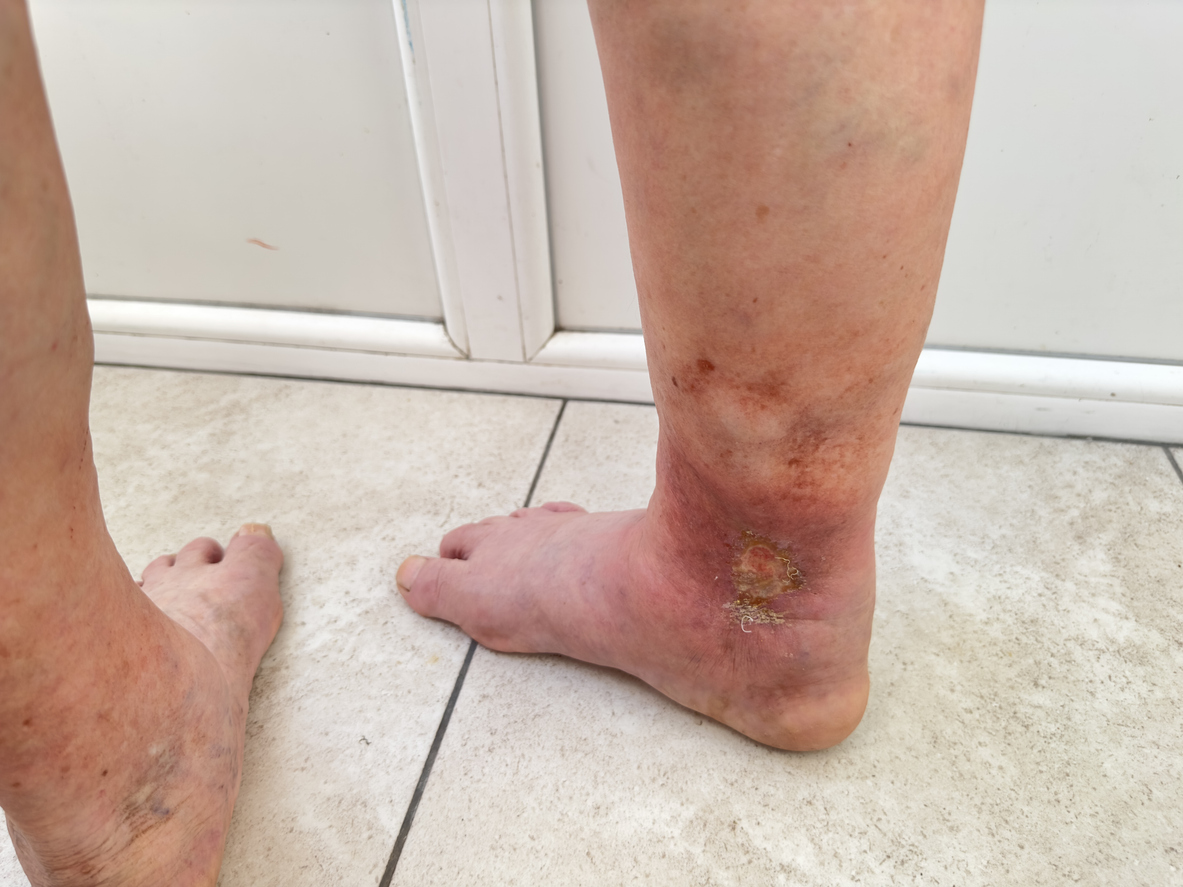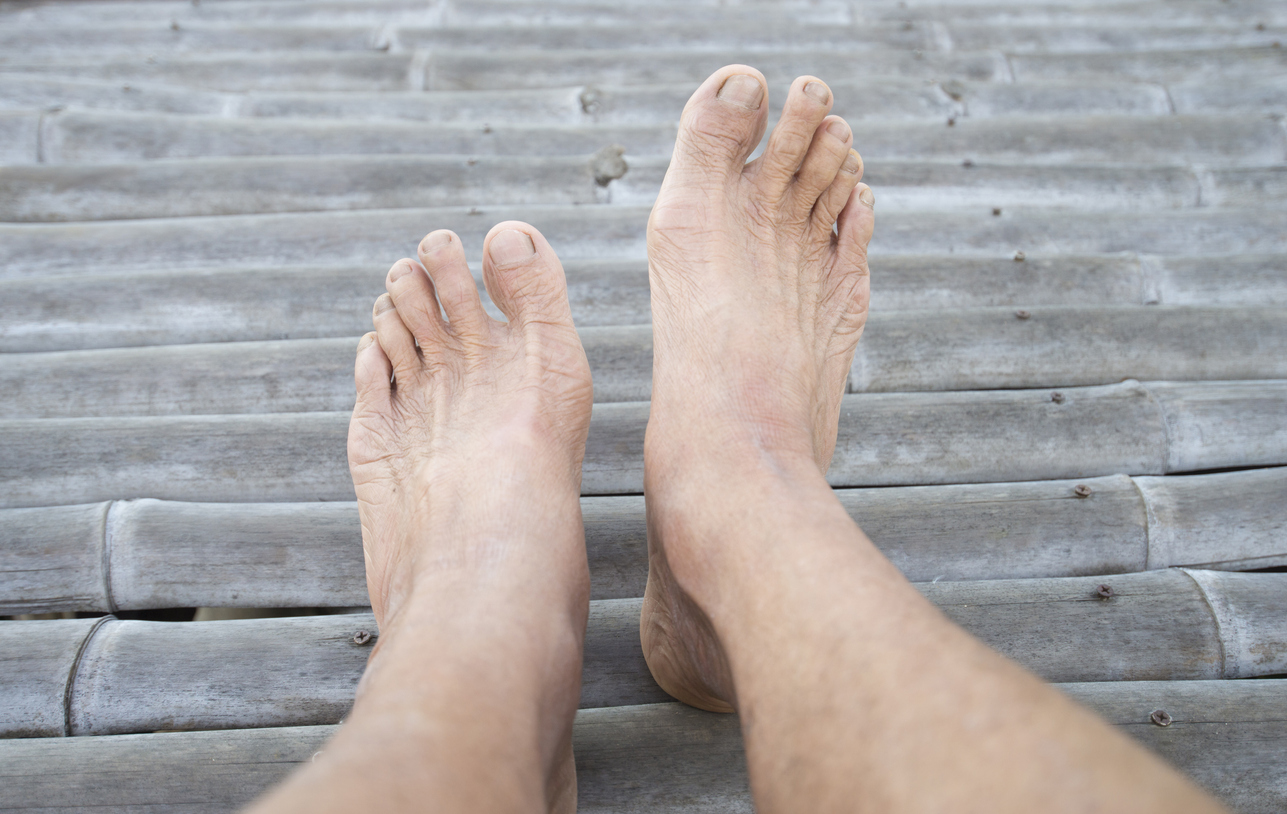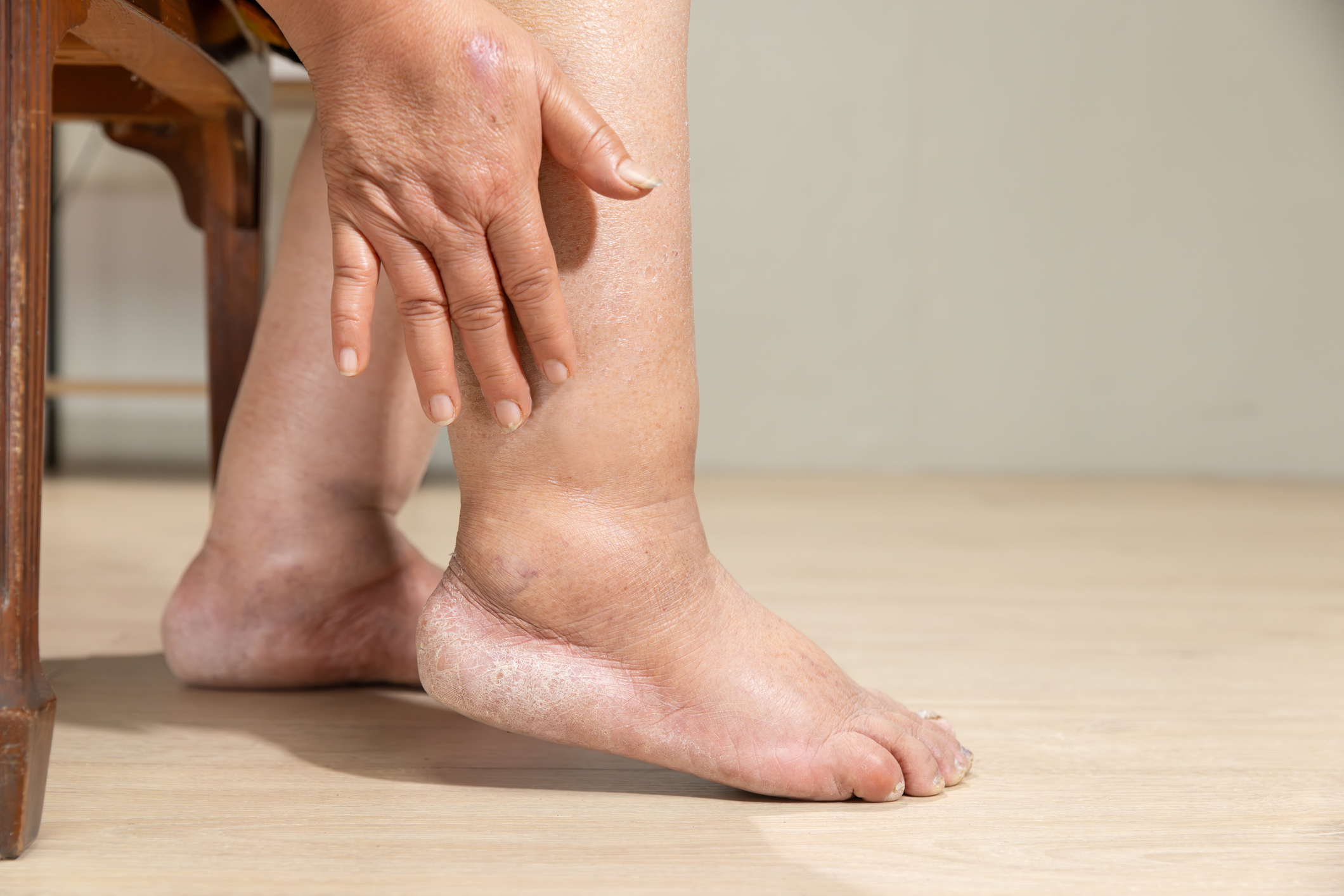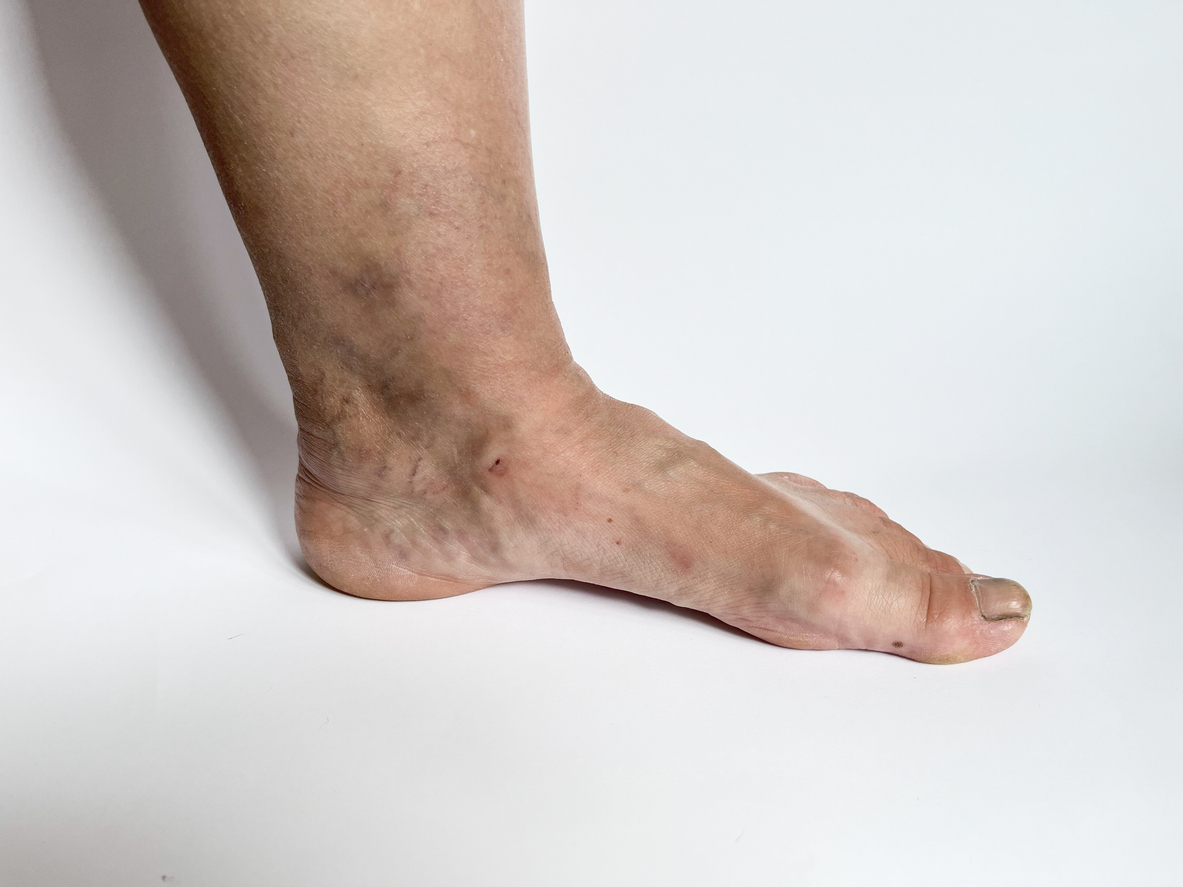
Leg pain. Swollen ankles. Heavy, tired legs. Nighttime leg cramps. Spider veins. Itchy skin. Brown or reddish discoloration around the ankles.
These symptoms may seem unrelated, but they can sometimes have something in common: chronic venous insufficiency (CVI), also known as chronic venous disease.
One of the most common frustrations I hear from patients is that they have lived with leg discomfort, swelling, cramping, or skin changes for years without getting a clear diagnosis.
I recently saw a patient who told me she had visited six different doctors over four years trying to understand why her legs hurt and had become discolored. Despite all that time and effort, she still did not have an answer or meaningful improvement.
Unfortunately, her experience is not unusual.
So why can chronic venous insufficiency be so difficult to recognize?
What Is Chronic Venous Insufficiency?
Chronic venous insufficiency is a condition in which the veins in your legs have difficulty efficiently returning blood toward your heart.
Veins contain one-way valves that help blood move upward against gravity. When these valves do not function properly, blood can flow backward and pool in the legs. This backward flow is called venous reflux.
Over time, increased pressure within the veins can contribute to symptoms such as aching, heaviness, swelling, visible veins, skin discoloration, and, in more advanced cases, venous ulcers.
The challenge is that vein disease does not look the same in every patient.
I often tell patients that you could line up 50 people with chronic venous insufficiency and see 50 different presentations. That variation is one reason CVI can go undiagnosed or be mistaken for another condition.
Can You Have Chronic Venous Insufficiency Without Varicose Veins?
Yes. You can have chronic venous insufficiency without large, visible varicose veins.
This is one of the biggest misconceptions about vein disease.
A patient with large, bulging varicose veins may be relatively easy to identify as having a possible venous problem. However, many patients with underlying venous insufficiency do not have obvious varicose veins.
Some have only spider veins.
Others experience ankle or lower-leg swelling.
Some develop reddish or brown skin discoloration.
Others have aching, heaviness, fatigue, burning, itching, or leg cramps.
In some cases, a patient's legs may look relatively normal even though the person is experiencing significant symptoms.
The absence of bulging varicose veins does not necessarily mean your veins are functioning normally.
What Are the Symptoms of Chronic Venous Insufficiency?
Symptoms of chronic venous insufficiency can vary significantly from one person to another. Common signs and symptoms associated with chronic venous disease include:
- Aching or throbbing legs
- Heavy or tired legs
- Lower-leg or ankle swelling
- Leg fatigue
- Nighttime leg cramps
- Burning or itching sensations
- Restless or uncomfortable legs
- Spider veins
- Varicose veins
- Reddish or brown skin discoloration, particularly near the ankles
- Changes in skin texture
- Recurrent irritation or inflammation of the lower-leg skin
- Slow-healing wounds or ulcers near the ankle
You do not need to have every symptom to have venous disease.
Some patients experience aching, heaviness, swelling, fatigue, or cramping before they develop obvious visible changes in their legs. If these symptoms persist, especially if they become worse after prolonged standing or later in the day, it may be appropriate to investigate whether venous disease is contributing to the problem.
Why Does Vein Disease Sometimes Get Misdiagnosed?
One reason chronic venous insufficiency can be difficult to diagnose is that many of its symptoms overlap with symptoms caused by other medical conditions.
Leg pain, for example, can have orthopedic, neurologic, arterial, muscular, and venous causes. Leg swelling also has many possible causes. Skin discoloration can be mistaken for a primarily dermatologic problem. Pain near the knee can be assumed to originate from the joint.
Over the years, I have seen patients whose vein-related symptoms had previously been evaluated as possible:
- Arthritis or orthopedic pain
- Dermatologic conditions
- Neurologic problems
- Infection
- General swelling associated with weight or aging
This does not mean that every case of leg pain, swelling, or skin discoloration is caused by vein disease. It means venous disease should be considered as one possible cause, particularly when symptoms are persistent or occur alongside swelling, visible veins, skin changes, aching, or heaviness.
Can Vein Disease Cause Leg or Knee Pain?
Yes, vein disease can contribute to leg discomfort, including aching around the knee and lower leg. Patients sometimes assume that pain near the knee must originate in the knee joint. However, abnormal venous pressure can also contribute to aching, heaviness, throbbing, and fatigue in the legs.
The opposite is equally important. Not all leg or knee pain is caused by vein disease. Musculoskeletal injuries, arthritis, nerve problems, arterial disease, and other conditions can also cause leg pain.
The goal of a vein evaluation is not to assume that your veins are causing your symptoms. It is to determine whether abnormal venous blood flow is present and whether the findings correspond with what you are experiencing.
Can Vein Disease Cause Skin Discoloration or a Rash?
Yes. Chronic venous insufficiency can cause changes in the skin of the lower legs and ankles. Persistent venous pressure can contribute to inflammation, itching, swelling, and reddish or brown discoloration.
One condition associated with chronic venous disease is venous stasis dermatitis, sometimes called venous eczema.
I have seen patients who spent considerable time treating what appeared to be primarily a skin problem when an underlying venous condition was contributing to their symptoms. When a recurring lower-leg rash or discoloration occurs along with swelling, varicose veins, spider veins, aching, or heaviness, evaluating the veins may help determine whether chronic venous insufficiency is playing a role.
Why Does Chronic Venous Insufficiency Cause Brown Skin Around the Ankles?
Brown or reddish discoloration around the ankles can develop when chronic venous pressure affects the small blood vessels and surrounding tissues of the lower legs. Over time, blood components can leak into the surrounding tissue, contributing to inflammation and pigmentation changes.
For some patients, these skin changes are among the first visible clues that there may be an underlying circulation problem. Persistent discoloration around the ankle should not automatically be assumed to be vein disease because other medical conditions can cause skin changes. However, discoloration accompanied by swelling, aching, heaviness, or visible veins is a reason to consider a venous evaluation.
What Is Superficial Thrombophlebitis?
Another condition that can cause confusion is superficial thrombophlebitis, which involves inflammation and clotting in a vein near the surface of the skin.
Symptoms can include:
- Localized pain or tenderness
- Redness
- Warmth
- Swelling
- A firm or cord-like vein beneath the skin
Because redness, warmth, and tenderness can also occur with infection or other conditions, proper diagnosis is important. New or sudden leg pain and swelling should not simply be assumed to be superficial vein disease. More serious conditions, including deep vein thrombosis (DVT), may need to be ruled out.
How Is Chronic Venous Insufficiency Diagnosed?
A vein evaluation generally begins with a medical history and physical examination. When chronic venous insufficiency is suspected, one of the most useful diagnostic tools is a duplex venous ultrasound.
A venous ultrasound is noninvasive and uses sound waves to evaluate the veins and blood flow within them. It can help a vein specialist identify abnormal backward blood flow, known as venous reflux, and evaluate other potential abnormalities within the veins.
This is particularly important because a physical examination can only show what is happening on the surface. An ultrasound can help show what is happening inside the veins.
For patients who have experienced persistent leg symptoms without an explanation, this information can be extremely valuable.
Do I Need a Venous Ultrasound If I Do Not Have Varicose Veins?
Possibly. Whether an ultrasound is appropriate depends on your symptoms, medical history, physical examination, and the clinical judgment of your healthcare provider.
Visible varicose veins are not the only reason a physician may investigate venous disease. Persistent leg swelling, heaviness, aching, cramping, skin discoloration, or other symptoms may lead a qualified healthcare professional to recommend further evaluation.
Will Compression Stockings Cure Chronic Venous Insufficiency?
Compression stockings can be helpful for many patients with chronic venous disease. They can support blood flow and may reduce swelling, aching, and other symptoms. Exercise, leg elevation, weight management, and other conservative measures may also be recommended depending on the individual patient.
However, compression therapy does not necessarily correct the underlying venous reflux that may be causing the problem.
There is a difference between managing the symptoms of vein disease and evaluating whether there is an underlying vein problem that may be treatable. If symptoms persist despite conservative care, further evaluation may help determine whether venous reflux or another condition is responsible.
Can Chronic Venous Insufficiency Be Treated?
Yes. Treatment depends on the patient's symptoms, medical history, ultrasound findings, severity of disease, and the veins involved.
For some patients, conservative management may be appropriate. For others, modern minimally invasive vein treatments may be considered when medically appropriate.
The correct treatment begins with the correct diagnosis. That is why identifying the source of persistent leg symptoms is so important.
When Should You See a Vein Specialist?
Consider discussing a vein evaluation with a qualified healthcare professional if you experience persistent or recurring:
- Leg aching, heaviness, or fatigue
- Ankle or lower-leg swelling
- Nighttime leg cramps
- Symptomatic varicose veins
- Spider veins accompanied by other leg symptoms
- Lower-leg itching or inflammation
- Brown or reddish discoloration around the ankles
- Recurrent lower-leg skin problems
- Pain or tenderness along a superficial vein
- A wound near the ankle that is slow to heal
These symptoms do not automatically mean that you have chronic venous insufficiency. However, they can be reasons to investigate whether your veins are contributing to the problem.
If you have spent months or years treating individual symptoms without finding the underlying cause, a comprehensive vein evaluation may provide useful information.
When Leg Symptoms Require Prompt Medical Attention
Some leg symptoms can indicate a more urgent medical problem. Seek prompt medical attention for sudden or significant leg swelling, especially when it affects one leg, or for severe new leg pain.
Chest pain, difficulty breathing, coughing up blood, fainting, or other severe symptoms can be signs of a medical emergency and require immediate medical attention.
Learn More About Vein Health
Frequently Asked Questions About Chronic Venous Insufficiency
Q: Can you have venous insufficiency if your legs look normal?
A: Yes. Some people with chronic venous disease experience aching, heaviness, fatigue, swelling, cramping, or other symptoms without large visible varicose veins.
Q: What does venous insufficiency feel like?
A: Patients may describe aching, heaviness, throbbing, fatigue, burning, itching, cramping, or a feeling that their legs become increasingly uncomfortable after standing for long periods.
Q: Does chronic venous insufficiency cause swollen ankles?
A: It can. Swelling of the lower legs and ankles is commonly associated with chronic venous insufficiency. Other medical conditions can also cause swelling, so persistent or unexplained swelling should be properly evaluated.
Q: Can venous insufficiency cause brown skin around the ankles?
A: Yes. Chronic venous disease can contribute to reddish or brown discoloration, particularly around the lower legs and ankles.
Q: Can vein problems cause leg cramps at night?
A: Venous disease can be associated with leg aching, heaviness, fatigue, and nighttime cramping. However, leg cramps have many possible causes, so persistent symptoms should be evaluated rather than automatically attributed to vein disease.
Q: Can vein disease cause itchy legs?
A: It can. Chronic venous insufficiency may contribute to inflammation and skin changes that cause itching, particularly around the lower legs and ankles.
Q: Do I need visible varicose veins to have vein disease?
A: No. Chronic venous insufficiency can occur without large, bulging varicose veins.
Q: What test checks for chronic venous insufficiency?
A: A duplex venous ultrasound is commonly used to evaluate the structure of the leg veins, the direction of blood flow, and whether venous reflux is present.
Q: Is chronic venous insufficiency dangerous?
A: The severity of chronic venous disease varies. Some patients primarily experience uncomfortable symptoms, while more advanced disease can contribute to significant skin changes and venous ulcers. Sudden swelling or pain can also require evaluation for conditions such as DVT.
Q: What happens if chronic venous insufficiency is left untreated?
A: Chronic venous disease can progress in some patients. Depending on the severity, complications can include increasing swelling, inflammation, skin changes, and venous ulcers. The course varies from patient to patient, which is why an individualized medical evaluation is important.
Q: Can chronic venous insufficiency be treated?
A: Yes. Treatment options depend on the patient's symptoms, examination, ultrasound findings, and overall medical history. Treatment can range from conservative measures to minimally invasive vein procedures when appropriate.
Still Searching for an Explanation for Your Leg Symptoms?
If you have been dealing with unexplained leg pain, heaviness, swelling, cramping, visible veins, itching, or skin discoloration, chronic venous insufficiency may be one possibility worth investigating.
At America's Vein Doctors, we evaluate patients for venous disease and use diagnostic ultrasound when medically appropriate to determine whether abnormal vein function may be contributing to their symptoms.
For many patients, the most important first step is getting the right diagnosis. If you have spent months or even years treating symptoms without understanding what is causing them, it may be time to take a closer look at your veins.
This article is intended for educational purposes and does not replace individualized medical advice, diagnosis, or treatment. If you have concerns about new or worsening symptoms, consult an appropriate healthcare professional.
About Dr. Robert Musson
Dr. Musson received his Bachelor of Science from the University of Akron and his Doctorate of Medicine from the Ohio State University of Medicine. He received his Board Certification in Family Medicine after completing his residency at Akron City Hospital. Dr. Musson is one of a select few doctors in the United States who have been specializing full-time in phlebology (vein medicine) for more than 30 years, having begun in this field immediately after leaving his residency training in 1992. He has performed more than 100,000 vein procedures during that time, including more than 20,000 thermal ablations, both with laser and radio frequency. He is the author of “Varicose Veins and Spider Veins, Myths and Realities”, published in 2001, and has written numerous other books on various topics. An Ohio native, he practiced in his home state as well as in Pennsylvania, West Virginia, and Connecticut until 2018, when he joined America's Vein Doctors and moved to South Carolina, where he practices now. Since that time he has added cosmetic procedures to his practice, and currently oversees treatments with toxins, facial fillers, laser resurfacing, and other procedures.
Author: Dr. Robert Musson · Medical Review: America's Vein Doctors · Published: August 17, 2026
Schedule a Vein Evaluation with America's Vein Doctors
Schedule a vein evaluation with America's Vein Doctors to find out whether chronic venous insufficiency could be contributing to your leg symptoms.
Schedule Your Evaluation