Leg pain, swelling, heaviness, skin discoloration, or persistent changes in the skin can be frustrating, especially when you have visited multiple doctors and still do not have a clear explanation.
One of the most common concerns I hear from patients is that they have lived with uncomfortable or unexplained leg symptoms for months or even years without receiving a diagnosis that explains what they are experiencing.
I recently evaluated a patient who told me she had seen six different doctors over four years trying to understand why her legs were painful and discolored. Despite all those appointments, she still had no clear answers and no meaningful improvement.
Unfortunately, her experience is not unusual.
One condition that can be overlooked in patients with chronic leg symptoms is chronic venous insufficiency (CVI). Part of the reason is simple: vein disease does not always look the way people expect it to look.
What Is Chronic Venous Insufficiency?
Chronic venous insufficiency is a condition in which the veins in the legs have difficulty efficiently returning blood toward the heart.
Healthy leg veins contain valves that help keep blood moving in the correct direction. When these valves do not function properly, blood can pool in the legs and increase pressure within the veins.
This abnormal venous pressure can contribute to symptoms ranging from aching and heaviness to swelling and changes in the skin.
Here is something many patients do not realize:
You can have chronic venous insufficiency without having large, visible varicose veins.
That is one of the reasons CVI can go undiagnosed.
Why Is Chronic Venous Insufficiency Sometimes Difficult to Diagnose?
Chronic venous insufficiency can present differently from one patient to another.
Genetics, anatomy, lifestyle, disease severity, and other health factors can all influence how vein disease appears and feels.
I often tell patients that you could line up 50 people with venous insufficiency and see remarkably different looking legs.
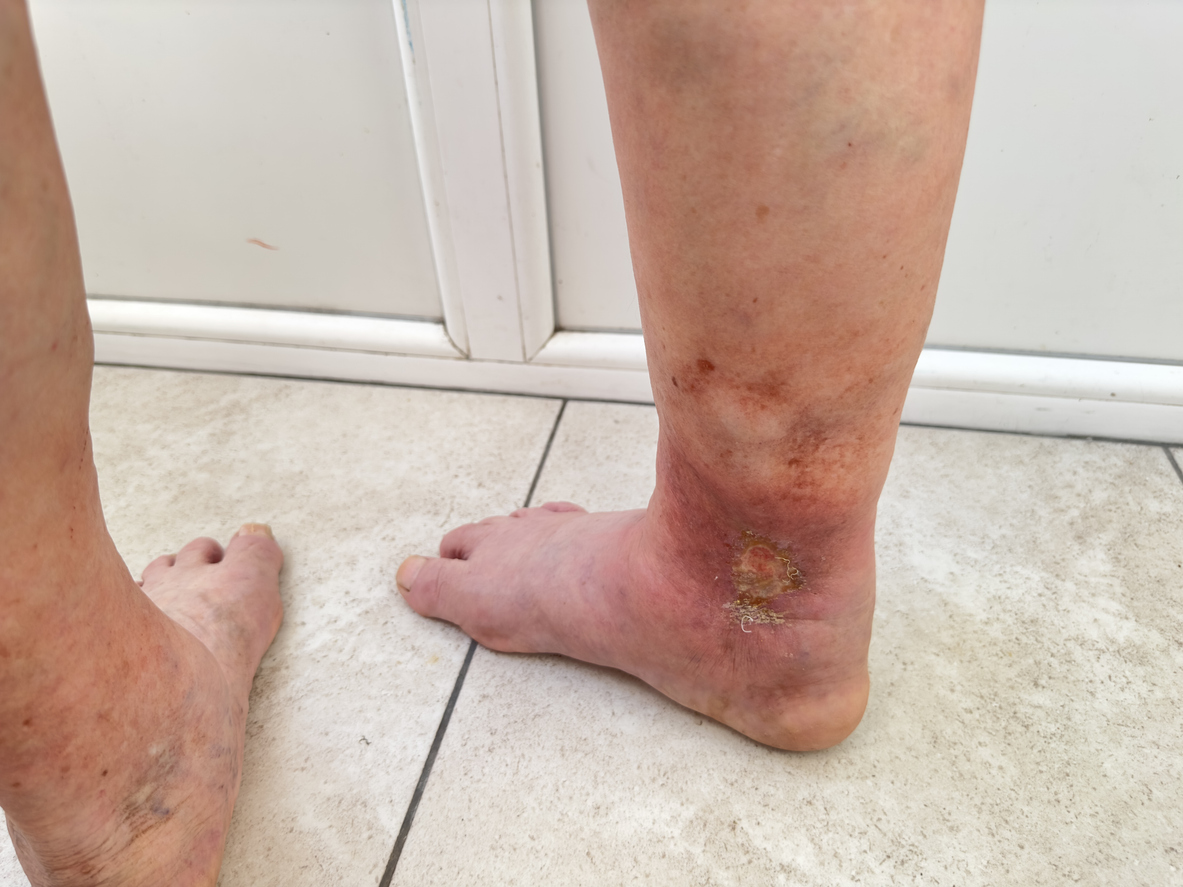
Some might have obvious varicose veins. Others might primarily have swelling or spider veins. Some may develop brown or reddish skin discoloration around the lower legs and ankles.
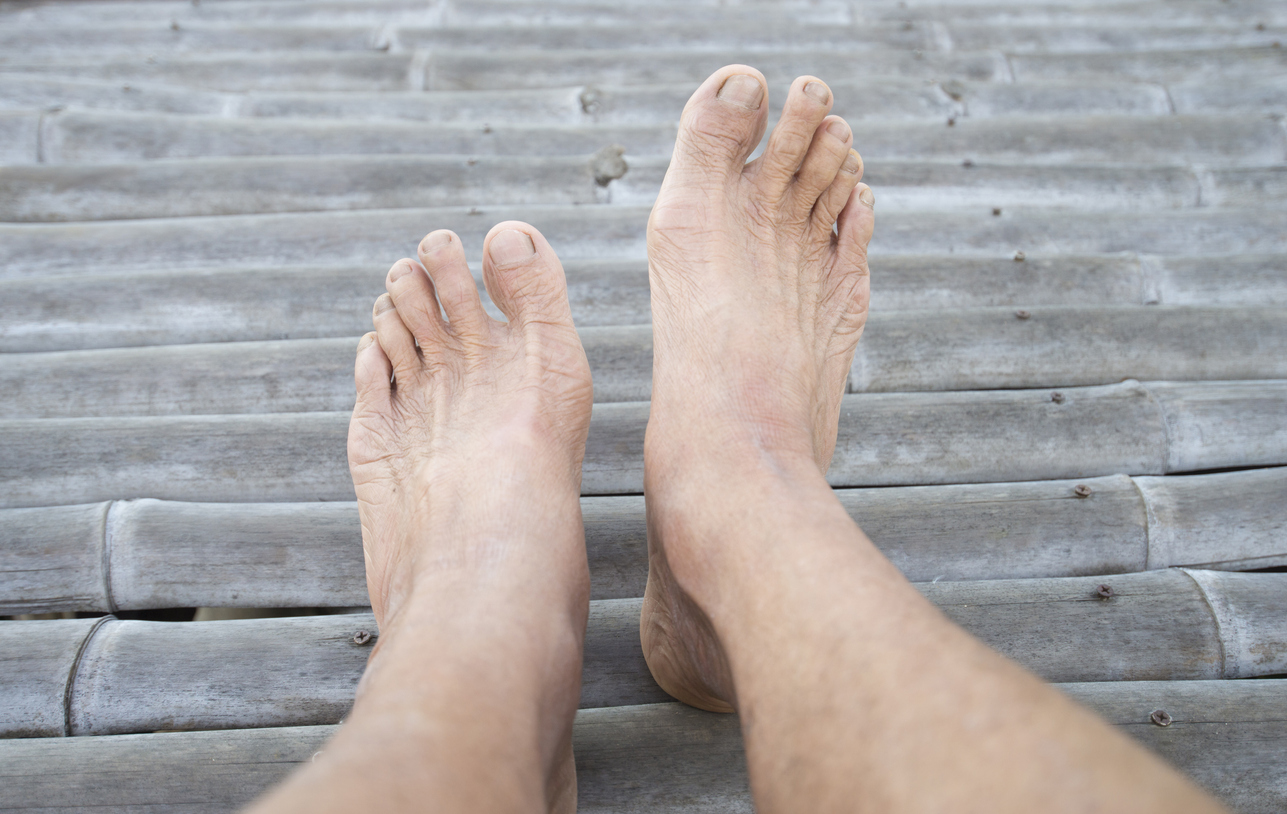
Some people's legs may even look relatively normal despite persistent symptoms.
That variability can make CVI harder to recognize when a patient's evaluation is focused primarily on what can be seen from the outside.
What Are the Symptoms of Chronic Venous Insufficiency?
Symptoms vary, but patients with venous disease may experience:
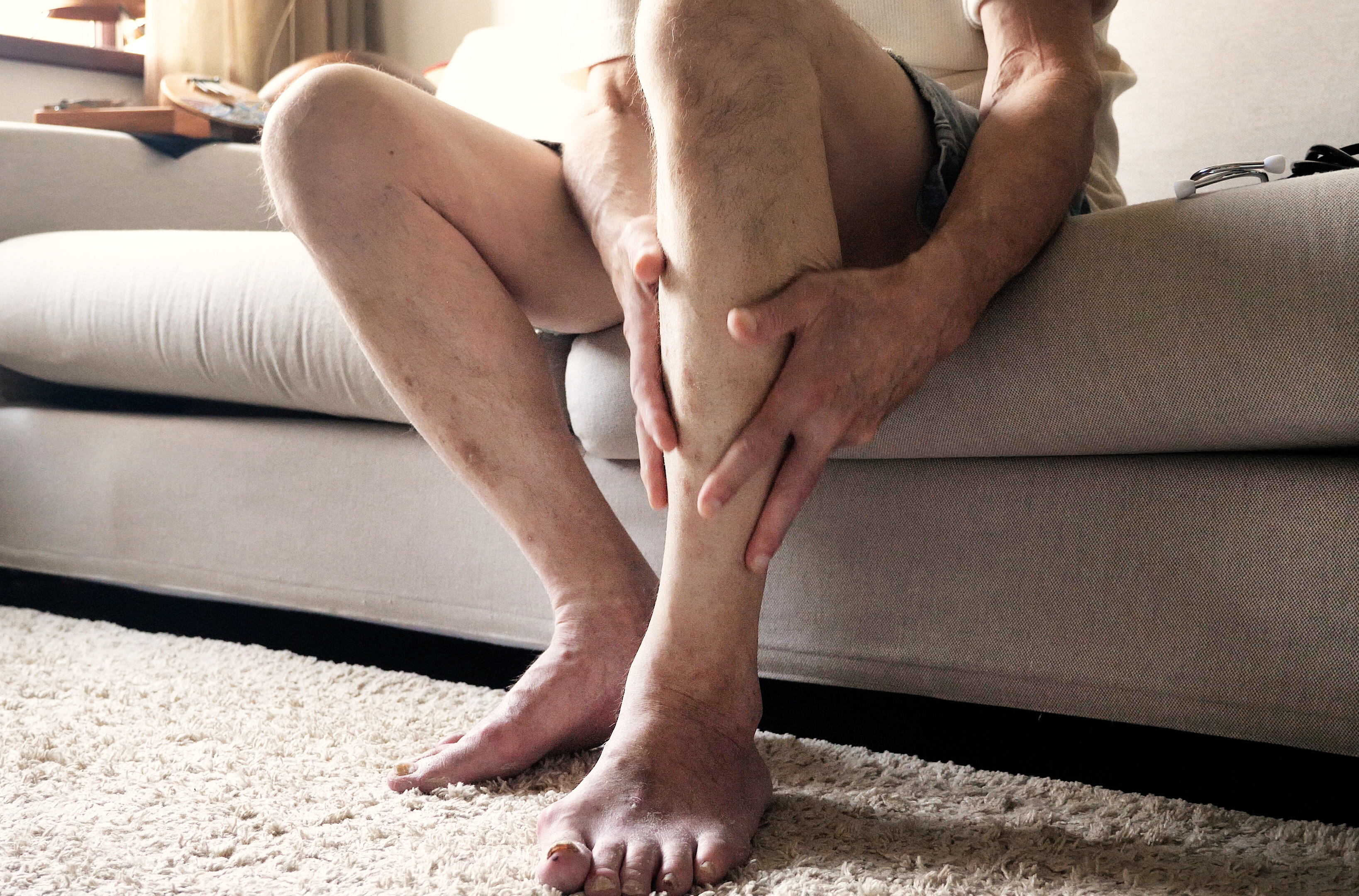
- Aching or throbbing legs
- Leg heaviness or fatigue
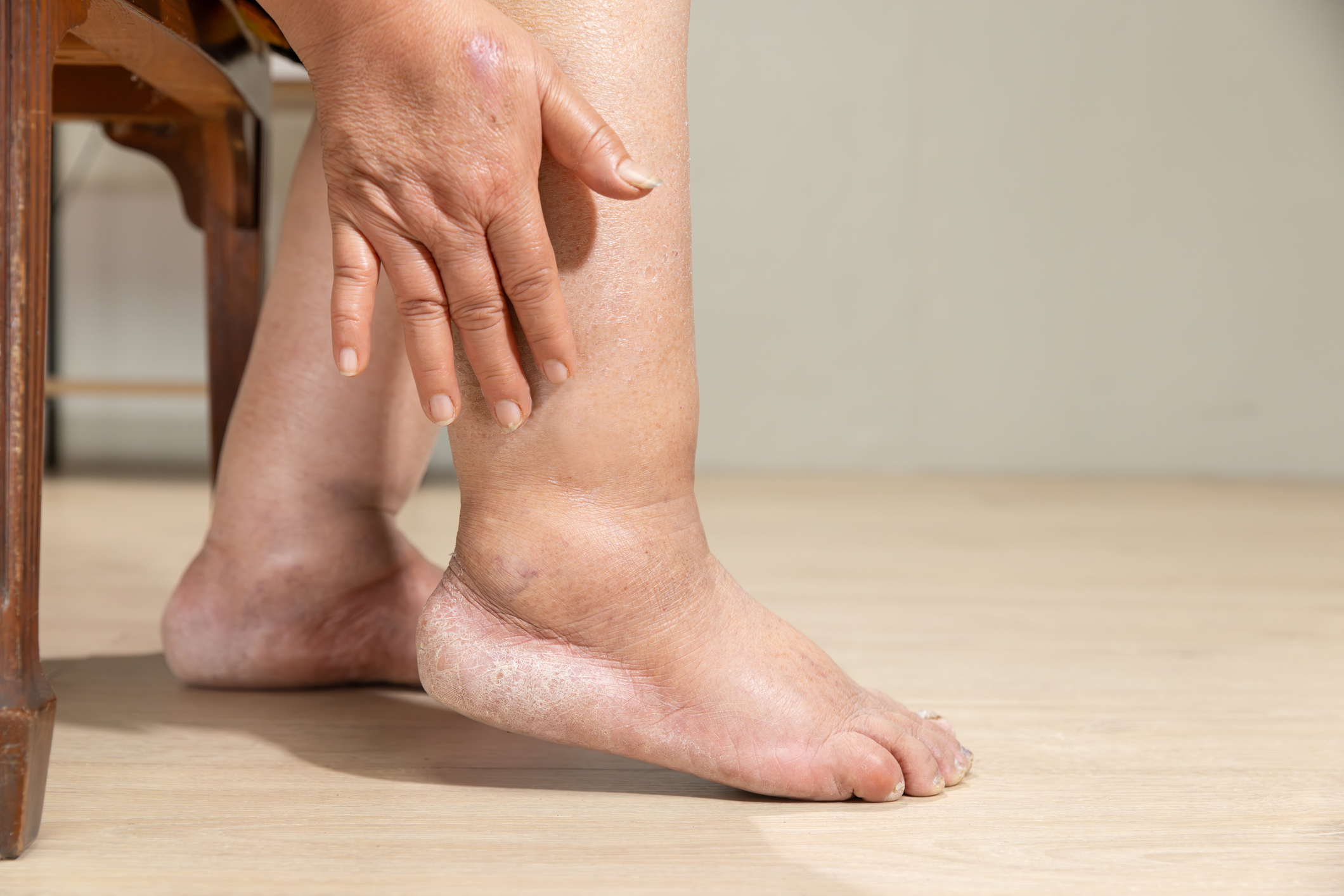
- Swelling of the legs or ankles
- Leg cramping
- Burning, itching, or discomfort
- Restless or uncomfortable legs
- Spider veins
- Varicose veins
- Skin discoloration, particularly near the ankles
- Persistent skin irritation or inflammation
- Slow healing wounds or venous ulcers in more advanced disease
Symptoms can sometimes become more noticeable after prolonged sitting or standing.
The important point is that large varicose veins are only one possible sign of underlying venous disease.
Can You Have Venous Insufficiency Without Varicose Veins?
Yes. Chronic venous insufficiency can occur even when there are no obvious bulging varicose veins.
This is one of the biggest misconceptions I encounter.
When someone thinks of "vein disease," they may picture large blue or purple veins protruding from the legs. Those veins certainly warrant evaluation, but their absence does not necessarily mean the veins beneath the skin are functioning normally.
Some patients with venous insufficiency primarily experience swelling, aching, heaviness, fatigue, cramping, spider veins, or skin changes.
Others may have symptoms without dramatic visible changes at all.
Why Can Vein Disease Be Mistaken for Other Conditions?
Many symptoms associated with venous insufficiency overlap with symptoms caused by other medical problems.
Leg pain, for example, can have numerous potential causes involving the joints, muscles, nerves, arteries, veins, or other structures.
Knee and lower leg discomfort may sometimes be attributed to arthritis or another orthopedic problem. Other patients with unexplained leg symptoms may be evaluated for neurologic or rheumatologic conditions.
Those evaluations can be entirely appropriate depending on the patient's symptoms.
However, when venous disease is part of the differential diagnosis, evaluating the veins can provide important information.
I have seen patients whose persistent leg or knee discomfort had been attributed to other causes before an evaluation ultimately identified underlying venous disease.
Can Vein Problems Cause Skin Discoloration or Rashes?
Yes. Chronic venous disease can contribute to skin inflammation, itching, discoloration, and other changes, particularly around the lower legs and ankles.
When pressure remains elevated within the veins, it can affect surrounding tissues over time.
Patients may develop changes such as:
- Brown or reddish discoloration
- Itching
- Dry or irritated skin
- Inflammation
- Thickening or hardening of the skin
- Changes around the ankles
- Open wounds or ulcers in advanced cases
Because these changes occur on the skin, patients may understandably assume the problem is primarily dermatologic.
However, treating the skin alone may not address an underlying circulation problem when venous insufficiency is contributing to the symptoms.
I recently evaluated a patient with a persistent leg rash who had previously undergone repeated dermatologic treatment without adequate improvement. Evaluating the circulation helped identify a venous component that needed to be considered.
What Is Superficial Phlebitis?
Another vein related problem that can cause significant discomfort is superficial phlebitis, sometimes called superficial thrombophlebitis when a clot is involved.
It refers to inflammation affecting a superficial vein and can cause symptoms such as localized pain, tenderness, redness, warmth, or a firm area along the course of the vein.
These symptoms can sometimes resemble those of a skin or soft tissue infection.
Because redness, warmth, swelling, and pain can have multiple causes, and because some potentially serious conditions can present similarly, patients experiencing new or worsening symptoms should be medically evaluated rather than attempting to diagnose the problem themselves.
How Is Chronic Venous Insufficiency Diagnosed?
A vein evaluation typically begins with a discussion of your symptoms and medical history, followed by an examination of your legs.
When venous insufficiency is suspected, a duplex ultrasound is commonly used to evaluate the veins.
This noninvasive test allows a vein specialist to examine blood flow and determine whether the valves inside the veins are functioning properly.
Ultrasound can help identify abnormal backward blood flow, known as venous reflux, which is an important finding in many patients with chronic venous insufficiency.
For the right patient, this can provide information that is not available simply by looking at the surface of the legs.
Will Compression Stockings Cure Chronic Venous Insufficiency?
Compression stockings can be useful for managing symptoms in some patients.
They apply graduated pressure to the legs and may help reduce swelling and discomfort while they are being worn.
However, compression therapy does not necessarily correct the underlying malfunctioning vein valves responsible for venous reflux.
Similarly, healthy weight management, regular movement, exercise, and avoiding prolonged periods of inactivity can support overall leg and vascular health, but lifestyle changes alone may not eliminate established venous reflux.
The appropriate approach depends on the patient's diagnosis, symptoms, medical history, ultrasound findings, and goals.
When Should You See a Vein Specialist?
Consider discussing a vein evaluation with a qualified medical professional if you experience persistent or recurring:
- Leg aching, heaviness, or fatigue
- Ankle or lower leg swelling
- Varicose or spider veins accompanied by symptoms
- Unexplained lower leg skin discoloration
- Chronic itching or inflammation around the ankles
- Leg cramping or discomfort
- Symptoms that become worse after prolonged standing
- Recurrent superficial vein inflammation
- Wounds around the lower leg or ankle that are slow to heal
These symptoms do not automatically mean you have chronic venous insufficiency. Many conditions can cause leg pain, swelling, or skin changes.
The goal of an evaluation is to determine the cause rather than assume that every leg symptom is vein related.
Why Seeing a Vein Specialist Can Make a Difference
Vein disease is a specialized area of medicine.
Physicians in other specialties may appropriately focus first on other potential causes of leg pain, swelling, or skin changes. A clinician who routinely evaluates venous disease, however, is accustomed to seeing the wide variety of ways venous insufficiency can present.
For patients who have spent months or years searching for an explanation for persistent leg symptoms, evaluating the venous system may be an important part of finding the answer.
Sometimes the visible veins provide the clue.
Sometimes the swelling does.
Sometimes it is a change in the skin.
And sometimes the legs look relatively normal.
That is why the combination of a careful medical history, physical examination, and, when appropriate, diagnostic ultrasound can be so valuable.
Learn More About Vein Health
Frequently Asked Questions About Chronic Venous Insufficiency
Q: What does chronic venous insufficiency feel like?
A: Patients may describe aching, heaviness, fatigue, throbbing, cramping, itching, burning, or swelling in their legs. Symptoms vary significantly between individuals.
Q: Can you have chronic venous insufficiency without visible veins?
A: Yes. Some people with venous insufficiency have no prominent varicose veins. Swelling, skin changes, aching, heaviness, or other symptoms may be more noticeable.
Q: Can chronic venous insufficiency cause ankle swelling?
A: Yes. Swelling of the ankles and lower legs can occur with venous insufficiency, although swelling can also have many other causes that should be considered.
Q: Can venous insufficiency cause skin discoloration?
A: Yes. Chronic venous disease can contribute to reddish or brown discoloration, particularly around the ankles and lower legs.
Q: Can vein problems cause leg pain?
A: Yes, but vein disease is only one potential cause of leg pain. Musculoskeletal, neurologic, arterial, and other medical conditions can produce similar symptoms.
Q: What test checks for venous insufficiency?
A: Duplex ultrasound is commonly used to evaluate blood flow through the leg veins and look for venous reflux or other abnormalities.
Q: Do compression socks fix venous insufficiency?
A: Compression stockings may help control symptoms such as swelling or discomfort in some patients, but they do not necessarily correct the underlying valve dysfunction responsible for venous reflux.
Q: Should I see a vein doctor if my legs hurt but look normal?
A: Persistent or unexplained leg symptoms deserve appropriate medical evaluation. Depending on your symptoms and medical history, evaluating the venous system may be appropriate even when there are no obvious varicose veins.
Still Searching for an Explanation for Your Leg Symptoms?
If you have been experiencing persistent leg pain, aching, heaviness, swelling, varicose veins, spider veins, or unexplained skin changes, do not assume that you simply have to live with them.
A proper evaluation can help determine whether chronic venous insufficiency or another condition is contributing to your symptoms.
At America's Vein Doctors, we evaluate patients for venous disease and, when clinically appropriate, use diagnostic ultrasound to examine how blood is flowing through the veins of the legs.
The most important first step is getting the right diagnosis.
Medical note: This article is intended for general educational purposes and is not a substitute for individualized medical advice, diagnosis, or treatment. Seek prompt medical attention for sudden or severe leg swelling, significant redness or warmth, chest pain, shortness of breath, or other concerning symptoms.
Schedule a Vein Evaluation with America's Vein Doctors
Schedule a vein evaluation with America's Vein Doctors to learn whether an underlying vein condition may be contributing to your symptoms.
Schedule Your Evaluation