If you are experiencing numbness, tingling, burning, or discomfort in your feet, you may assume the cause is peripheral neuropathy. While these symptoms are commonly linked to nerve damage, many patients are surprised to learn that chronic venous insufficiency and leg swelling can also contribute to worsening nerve symptoms.
At America's Vein Doctors by Allure Medical, we frequently see patients seeking treatment for aching legs, varicose veins, and swelling. We also evaluate many people who are experiencing unexplained numbness or tingling in their feet. In many cases, these patients have both peripheral neuropathy and chronic venous insufficiency. Understanding how these two conditions are connected can help patients find meaningful symptom relief and improve their quality of life.
What Is Peripheral Neuropathy?
Peripheral neuropathy is a condition that develops when the peripheral nerves become damaged. These nerves carry signals between your brain, spinal cord, and the rest of your body.
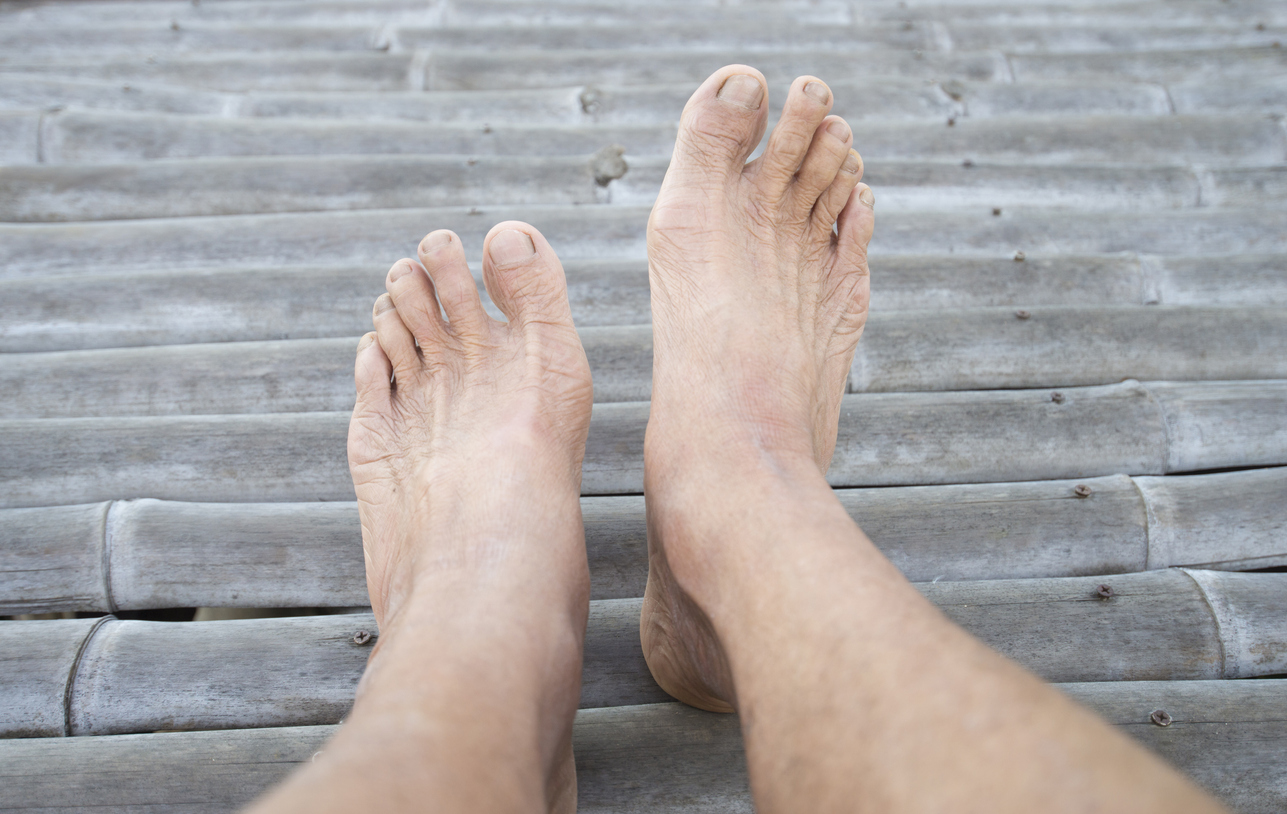
Because the nerves traveling to the feet are the longest in the body, they are especially vulnerable to damage. As a result, neuropathy symptoms often begin in the toes and feet before progressing upward.
Common symptoms of peripheral neuropathy include:
- Numbness in the feet or toes
- Tingling or "pins and needles" sensations
- Burning pain
- Sharp, stabbing, or electric shock-like pain
- Increased sensitivity to touch
- Muscle weakness
- Difficulty with balance or walking
What Causes Peripheral Neuropathy?
Many people associate peripheral neuropathy with diabetes, and for good reason. Diabetes is one of the leading causes of nerve damage. However, neuropathy can develop for many other reasons.
Some of the most common causes include:
- Aging
- Diabetes
- Alcohol use disorder
- Vitamin deficiencies
- Certain medications, including some chemotherapy drugs
- Autoimmune diseases
- Kidney disease
- Infections
- Idiopathic neuropathy, which means no specific cause can be identified
As people grow older, nerve damage becomes more common, even among otherwise healthy adults.
What Is Chronic Venous Insufficiency?
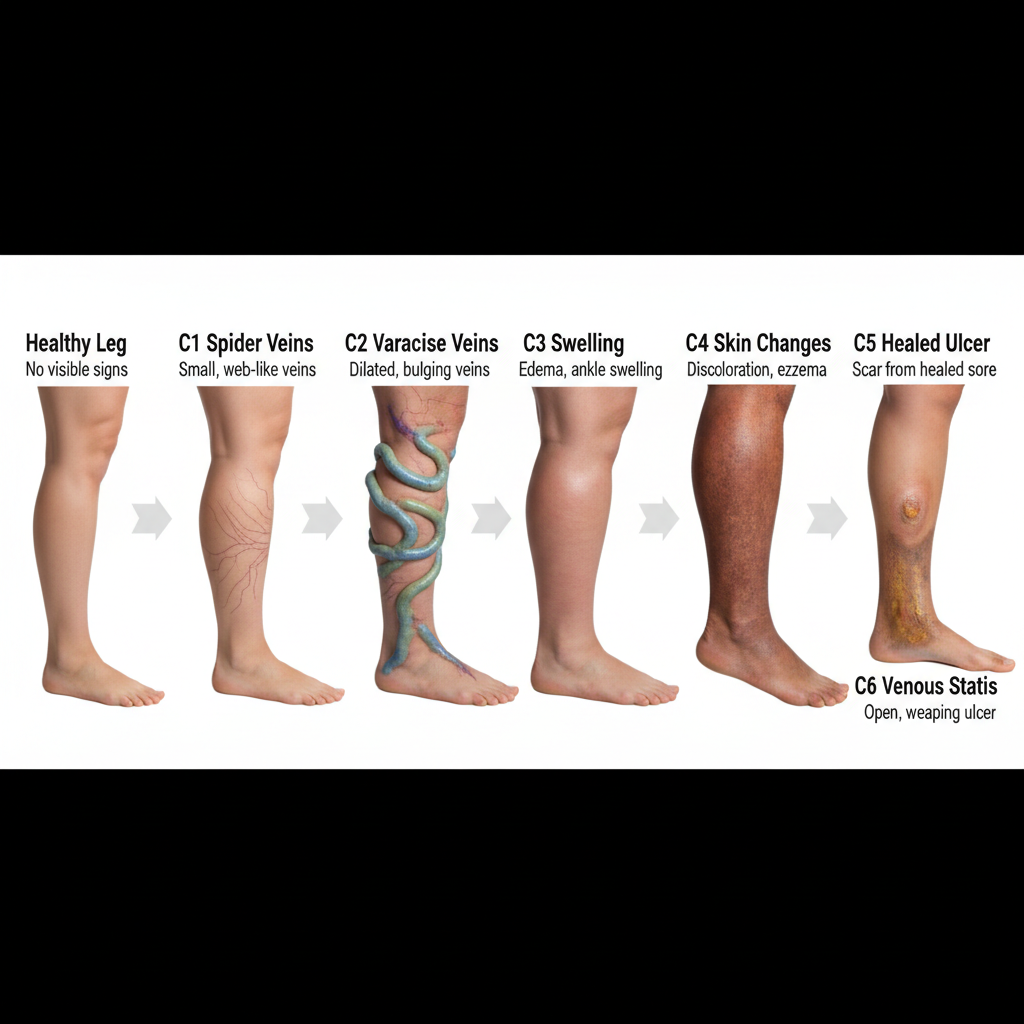
Chronic venous insufficiency (CVI) occurs when the valves inside the leg veins stop functioning properly. Instead of moving blood efficiently back to the heart, blood begins to pool in the legs. This increases pressure inside the veins and causes a variety of uncomfortable symptoms.
Common symptoms of chronic venous insufficiency include:
- Aching legs
- Leg heaviness
- Fatigue after standing
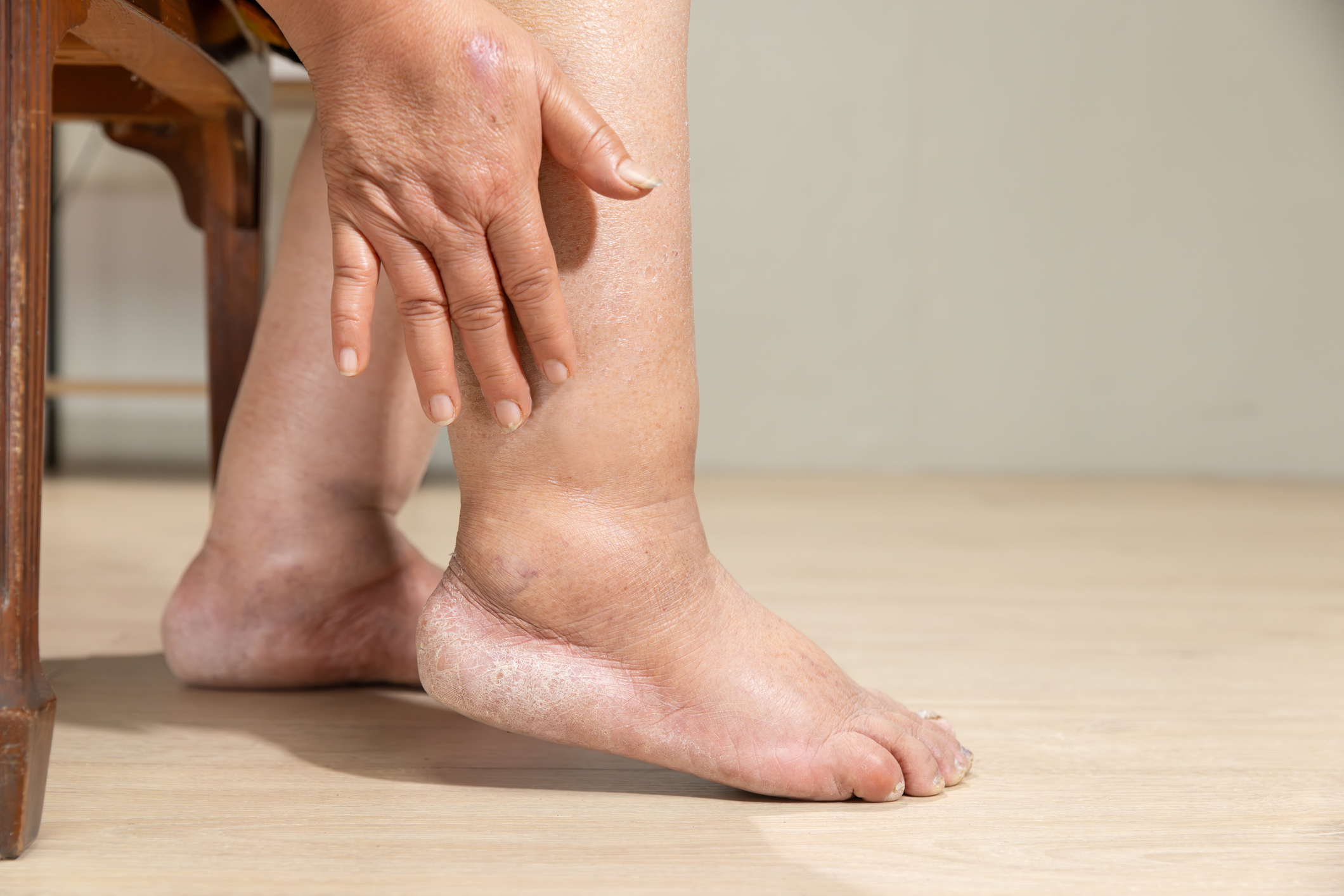
- Swelling in the ankles and lower legs
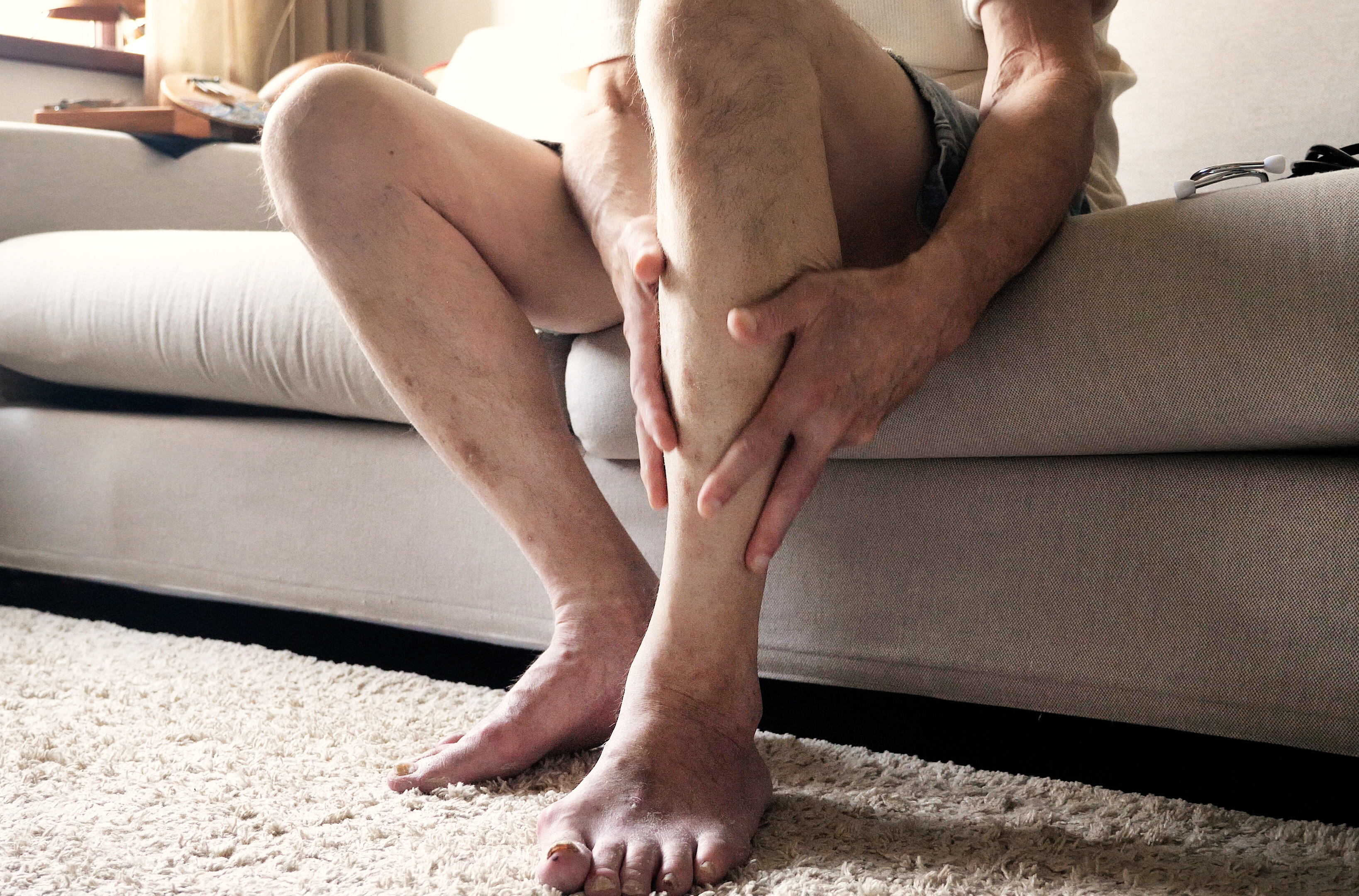
- Leg cramps
- Itching around the ankles
- Skin discoloration
- Varicose veins
Unlike peripheral neuropathy, venous insufficiency does not typically cause numbness or tingling on its own. However, many patients experience both conditions at the same time.
Can Venous Insufficiency Make Neuropathy Symptoms Worse?
Although peripheral neuropathy is a neurological condition, many patients report improvement in their nerve symptoms after receiving treatment for venous insufficiency.
This may seem surprising, but there is a reasonable explanation.
One of the most common symptoms of chronic venous insufficiency is swelling in the lower legs and ankles. When fluid builds up in these tissues, it can place additional pressure on the small sensory nerves that travel into the feet.
This extra pressure may increase nerve irritation and make existing neuropathy symptoms feel worse.
When venous insufficiency is treated, patients often experience:
- Less swelling
- Improved blood circulation
- Reduced pressure on surrounding tissues
- Improved comfort while walking or standing
Although vein treatment does not cure peripheral neuropathy, reducing swelling may decrease irritation around the nerves and improve symptoms for some patients.
Is There a Cure for Peripheral Neuropathy?
Unfortunately, there is currently no cure for most forms of peripheral neuropathy. Treatment focuses on slowing progression when possible, managing symptoms, and improving quality of life.
Depending on the underlying cause, treatment may include:
- Better blood sugar control for patients with diabetes
- Vitamin replacement if a deficiency is present
- Physical therapy
- Lifestyle changes
- Prescription medications such as gabapentin or pregabalin (Lyrica®)
These medications can provide relief for some patients, but they may also cause side effects such as dizziness, fatigue, or balance problems. Results vary, and many people continue to experience persistent symptoms despite medication.
Why Treating Vein Disease May Still Help
Patients with both peripheral neuropathy and chronic venous insufficiency often notice improvements after their vein disease is treated.
While every patient is different, many report:
- Reduced leg swelling
- Less leg heaviness
- Improved walking endurance
- Greater comfort throughout the day
- Less burning or tingling in the feet
It is important to understand that vein treatment is not considered a treatment for neuropathy itself. Instead, improving circulation and reducing swelling may help relieve some of the factors that contribute to nerve irritation.
When Should You Be Evaluated?
If you are experiencing any combination of the following symptoms, it may be time to schedule a comprehensive evaluation:
- Persistent numbness in your feet
- Tingling or burning sensations
- Swollen ankles or lower legs
- Aching or heavy legs
- Visible varicose veins
- Skin discoloration around the ankles
Because peripheral neuropathy and chronic venous insufficiency often occur together, identifying both conditions can help your healthcare provider create a more complete treatment plan.
The Bottom Line
Peripheral neuropathy and chronic venous insufficiency are separate medical conditions, but they frequently occur together, especially as people age. While treating vein disease does not reverse nerve damage, reducing leg swelling and improving circulation may help decrease nerve irritation and improve comfort for some patients.
If you have numbness or tingling in your feet along with symptoms of vein disease, a vein evaluation may identify an underlying condition that can be treated. Addressing venous insufficiency may improve your overall leg health and help you feel more comfortable throughout the day.
Schedule Your Vein Evaluation at America's Vein Doctors by Allure Medical
If you are experiencing leg swelling, varicose veins, aching legs, or symptoms of peripheral neuropathy, the specialists at America's Vein Doctors by Allure Medical can help determine whether chronic venous insufficiency is contributing to your discomfort. Contact America's Vein Doctors by Allure Medical today to schedule a comprehensive vein evaluation and learn about minimally invasive treatment options that can improve your circulation, reduce swelling, and help you get back to living more comfortably.
Schedule Your Evaluation