Take our Vein Health Assessment!
Call Now
Vein Health Education

Vein Health Blog

Educational articles on varicose veins, venous insufficiency, and related conditions — helping patients understand, prevent, and treat vein disease.

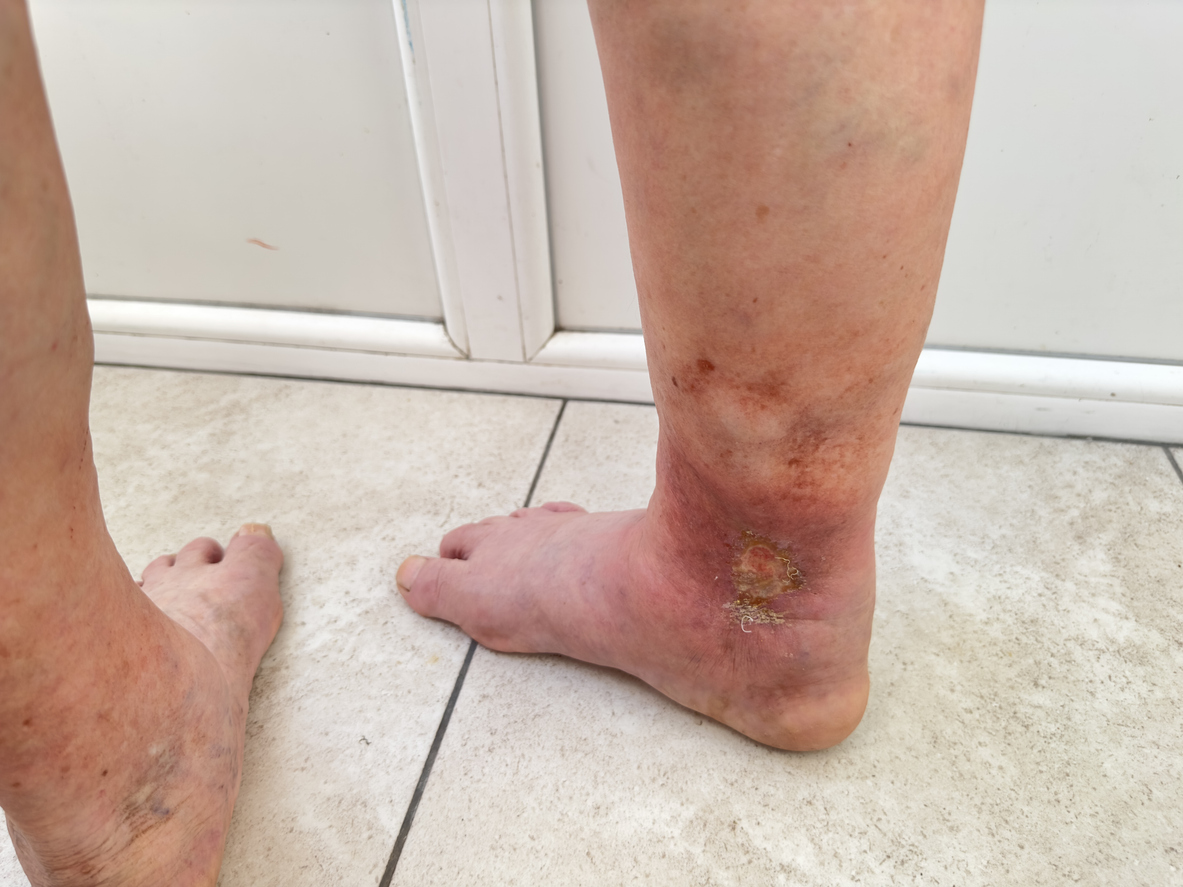
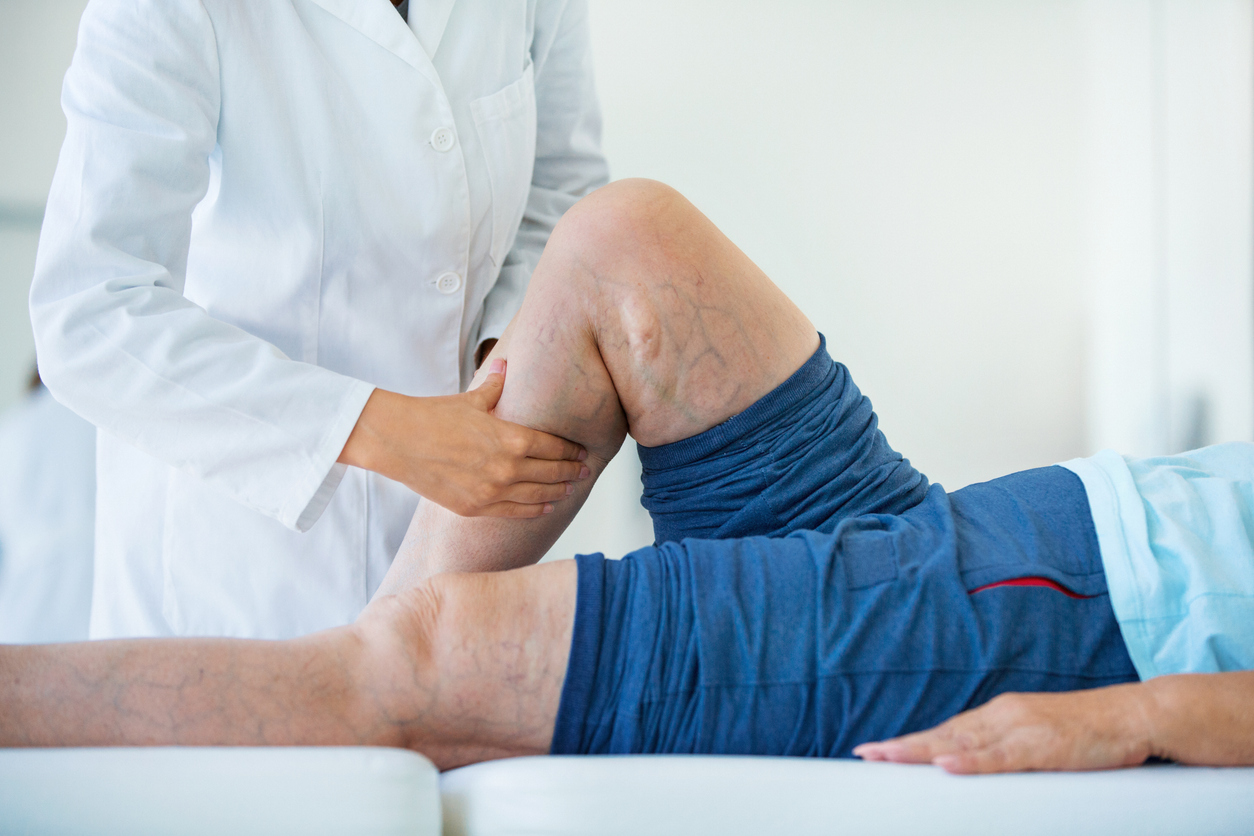
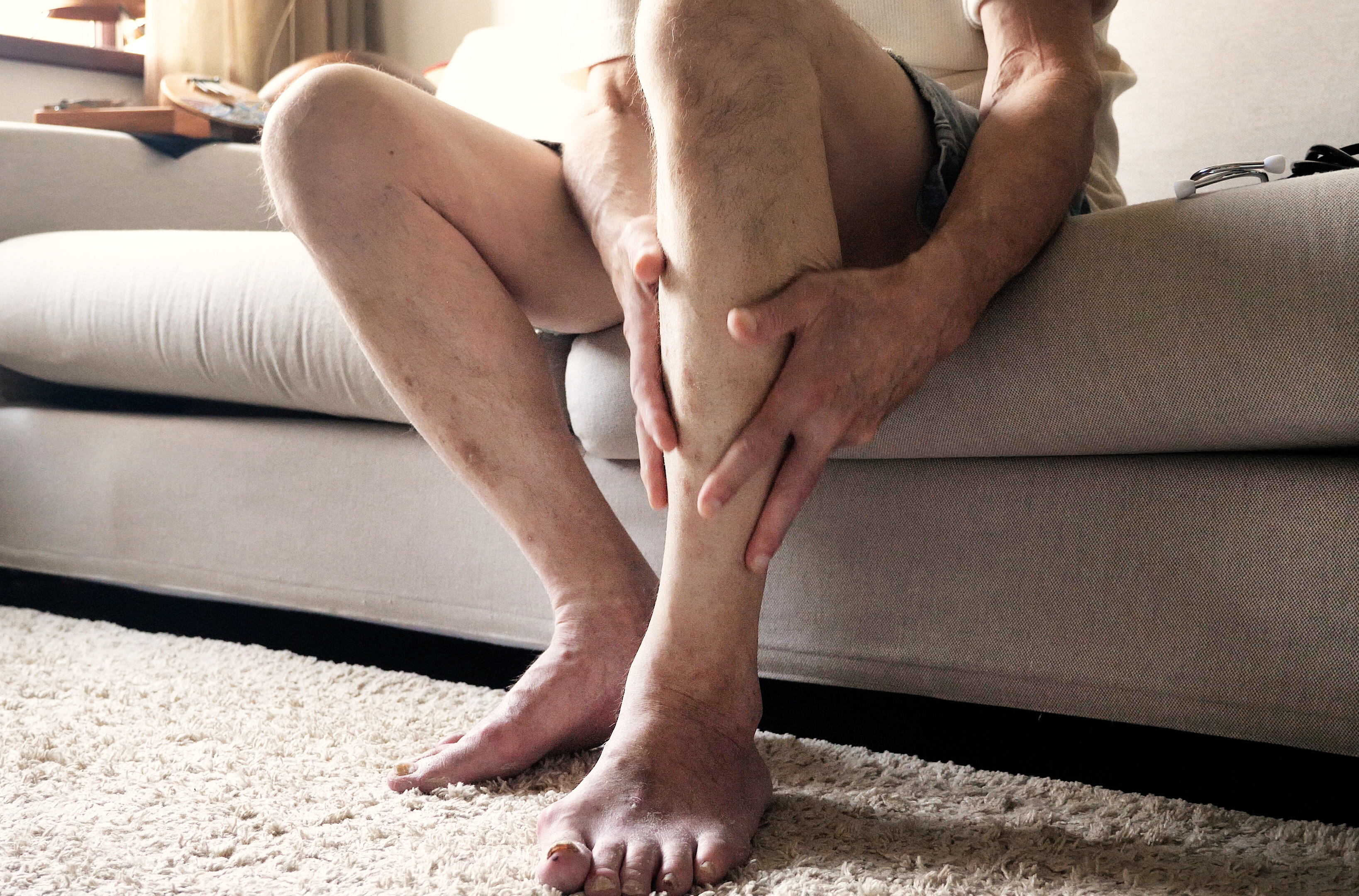
Close-up of legs showing visible varicose veins and skin discoloration associated with advanced venous disease
Varicose VeinsDecember 3, 2019

Just How Bad is "Ugly Legs"?

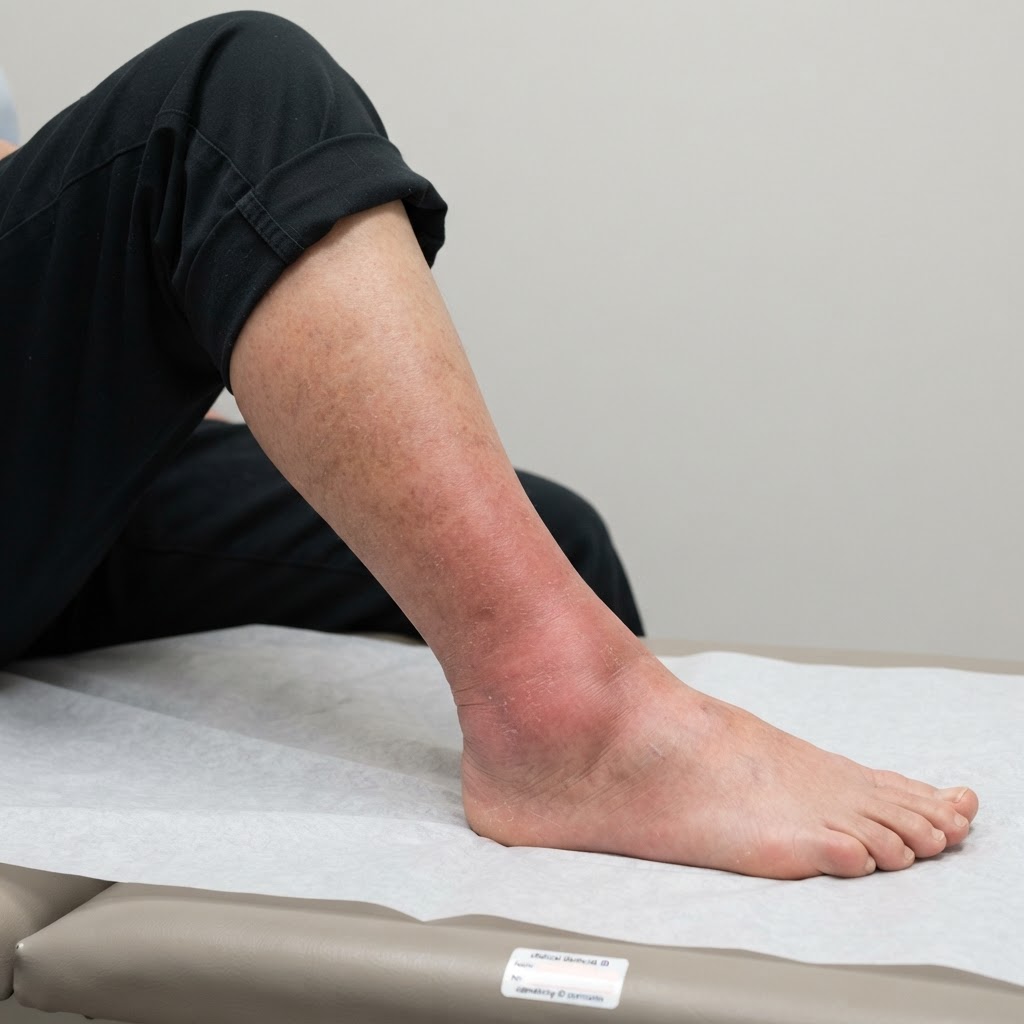
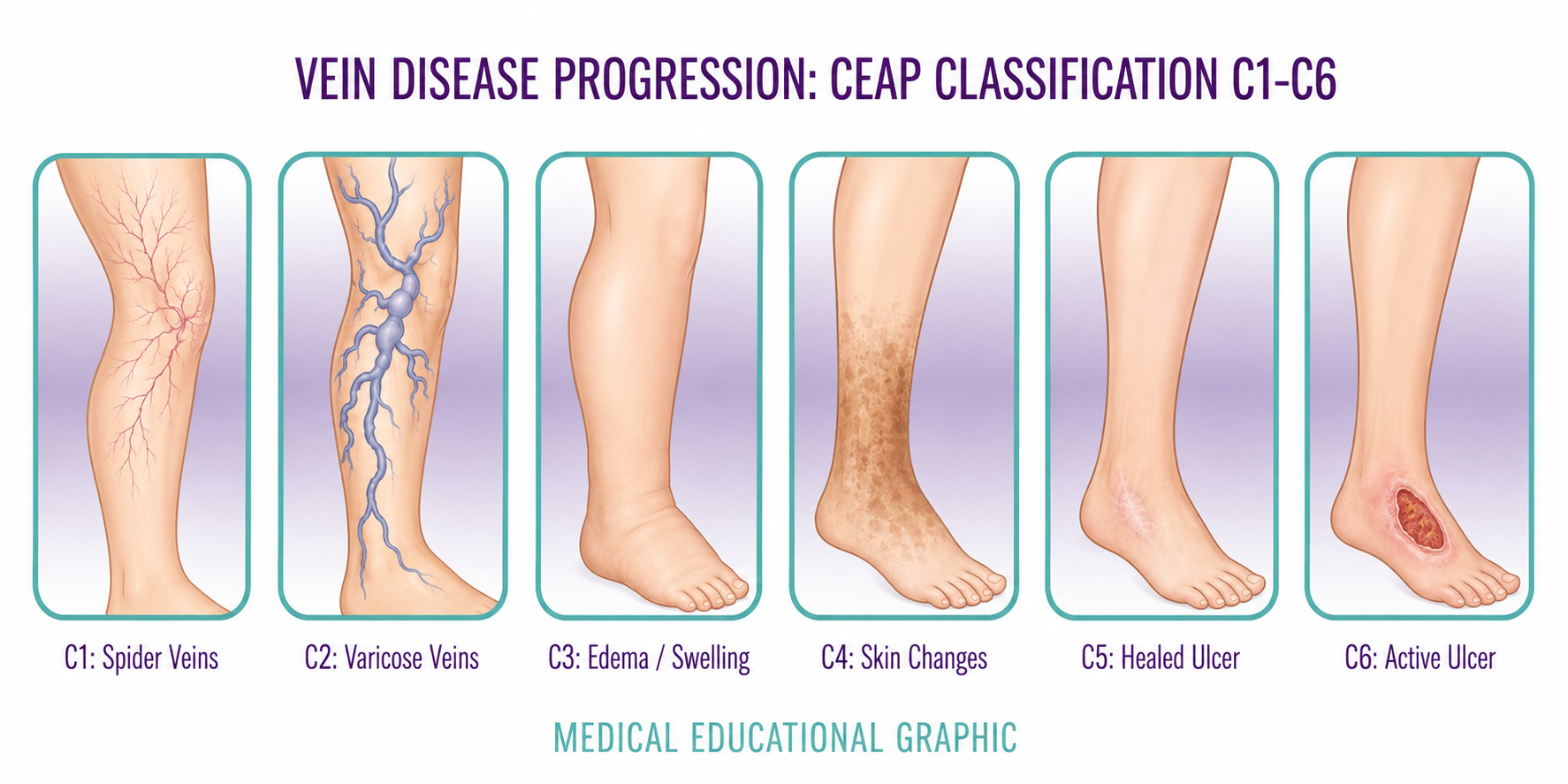
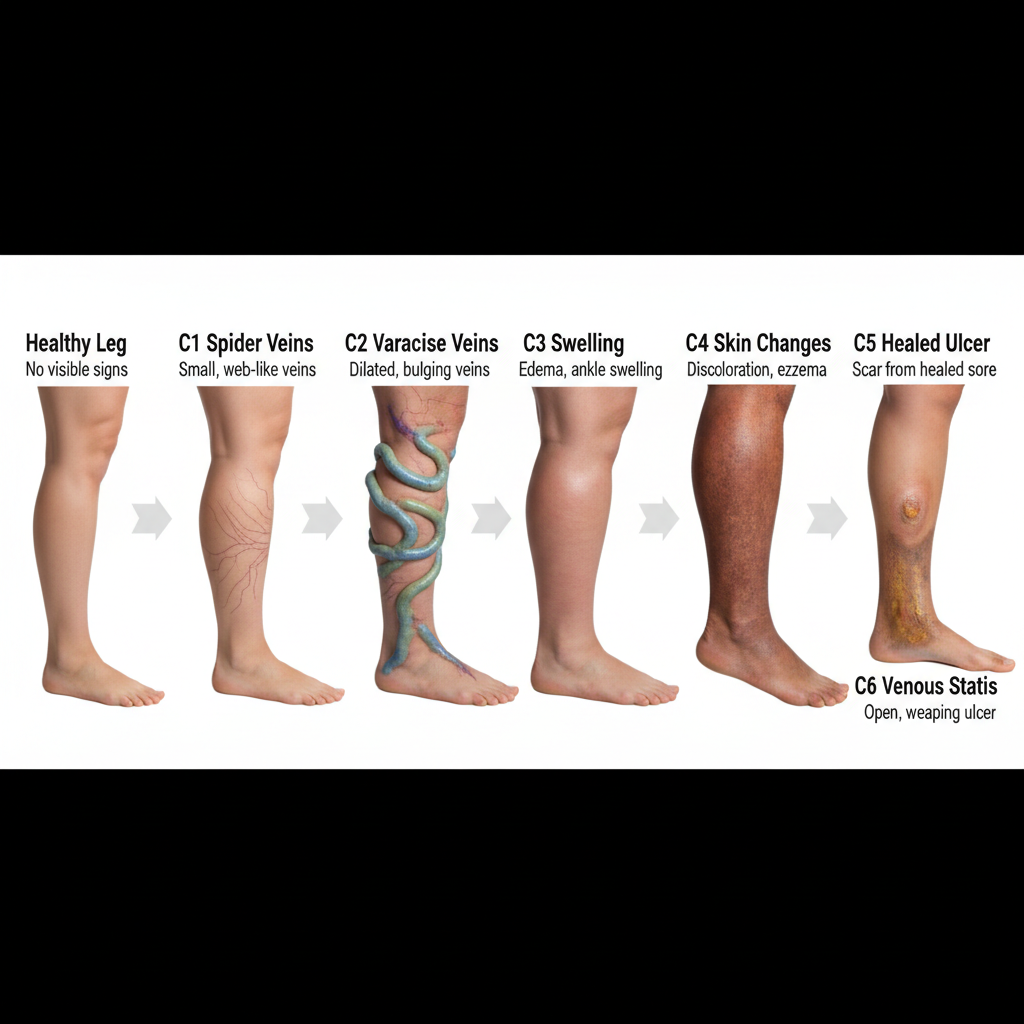
We focus on treating the most typically underserved patients — those with a CEAP score of C4 and higher. At this stage, veins start to physically alter the appearance of legs, causing skin changes like eczema, brown spots, swelling, sores, and ulcers. "Ugly legs" is not just a cosmetic concern — it's a significant public health issue costing the U.S. healthcare system $14.9 billion annually.

Colorful assortment of anti-inflammatory foods including berries, avocados, and citrus fruits that support vein health
Nutrition & WellnessNovember 17, 2019

Foods That Fight Varicose Veins

Varicose veins aren't fun to look at, and they aren't fun to live with. But the right diet can help fight their development. Beet roots, berries, avocados, ginger, broccoli, legumes, and citrus fruits all contain powerful nutrients that reduce inflammation, strengthen vein walls, and improve circulation.

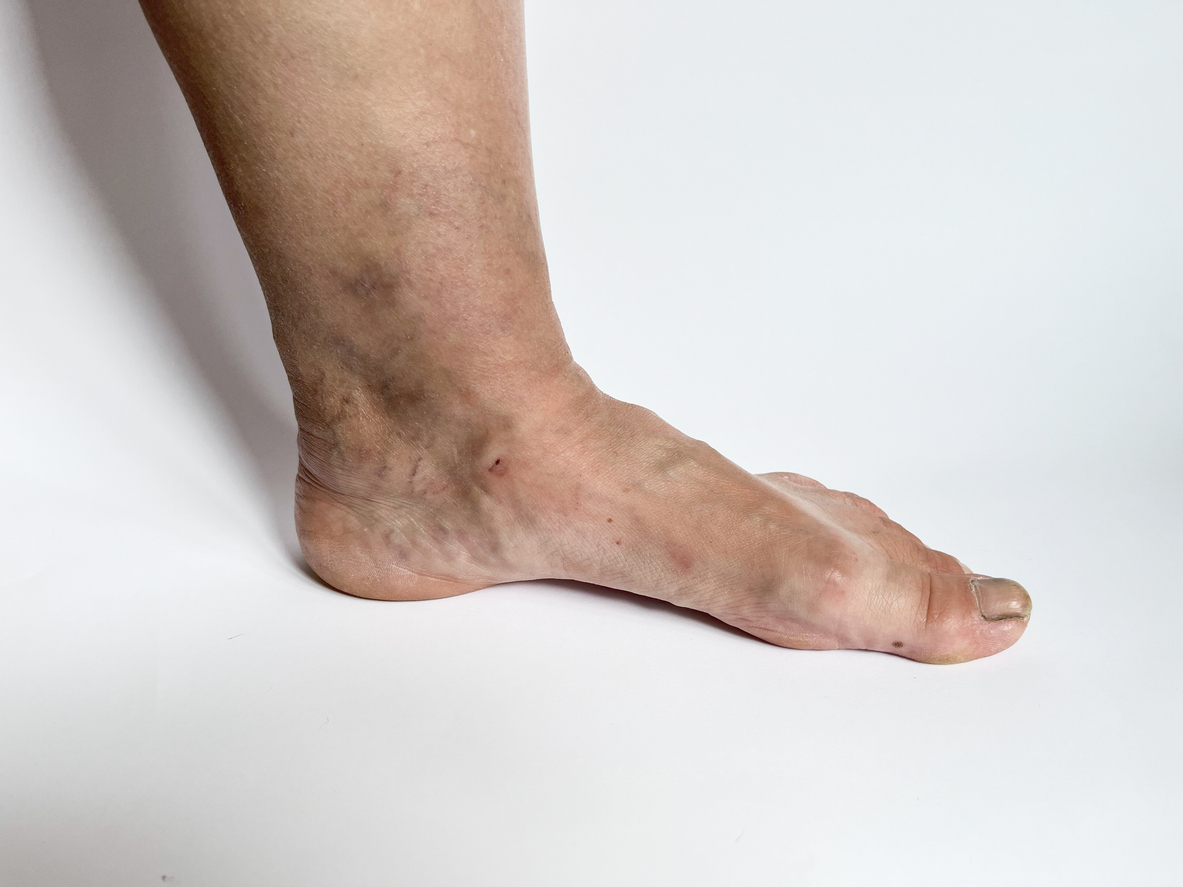
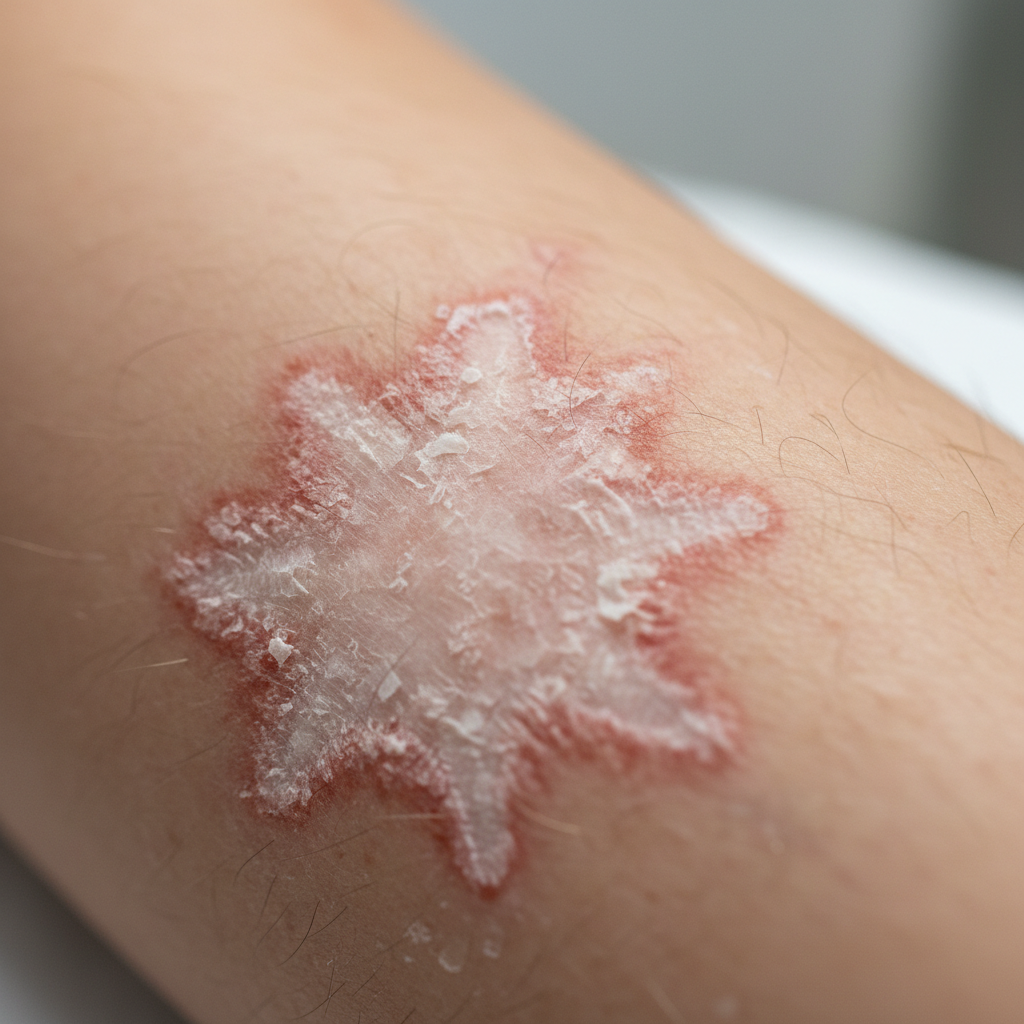
Leg showing atrophie blanche skin condition with white patches and surrounding discoloration from venous insufficiency
Venous InsufficiencyOctober 29, 2019

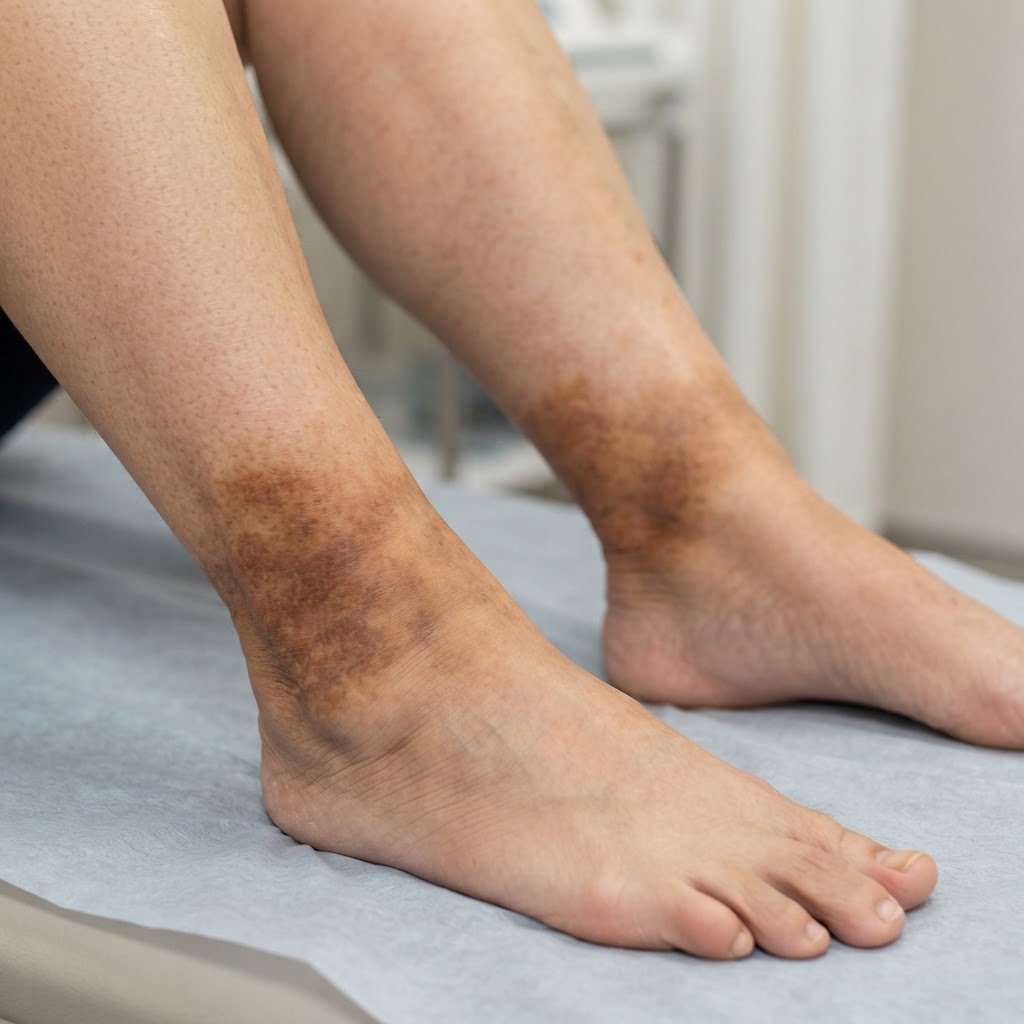
Atrophie Blanche Associated with Venous Insufficiency

Atrophie blanche is a dermatologic finding characterized by white or light-colored patches of skin surrounded by darker discoloration — a result of necrosis and replacement of tissue with fibrin deposits and collagen. It falls under C4b on the CEAP classification and is treated as "varicose vein with ulceration."

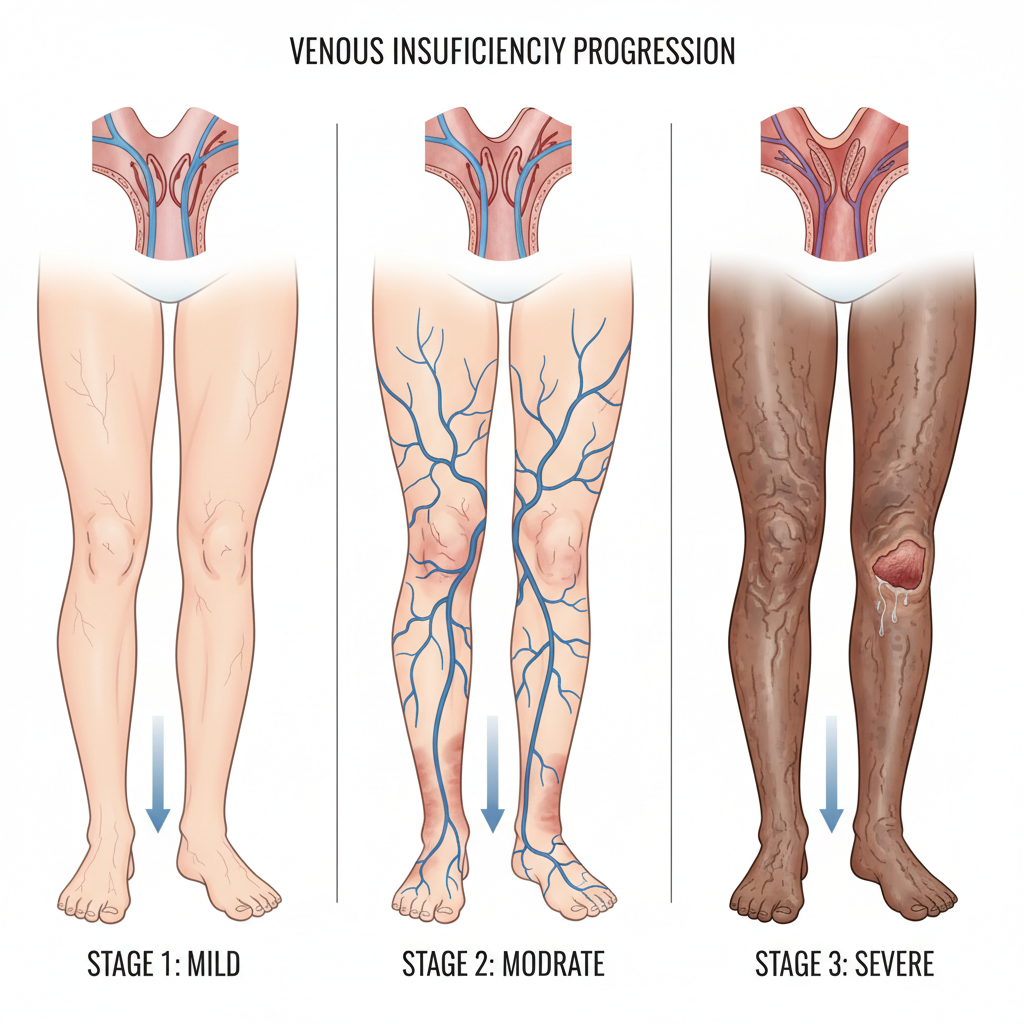
Diagram or illustration showing the three progressive stages of venous insufficiency in the legs
Venous InsufficiencyOctober 8, 2019

3 Stages of Venous Insufficiency

The term "varicose vein" can be misleading. Venous insufficiency is a progressive disease — 58% of patients show progression over time, worsening at 4.3% per year. Widmer's classification system breaks venous insufficiency into three stages: Mild Symptoms, Moderate Symptoms, and Advanced Symptoms, each with distinct physical signs.

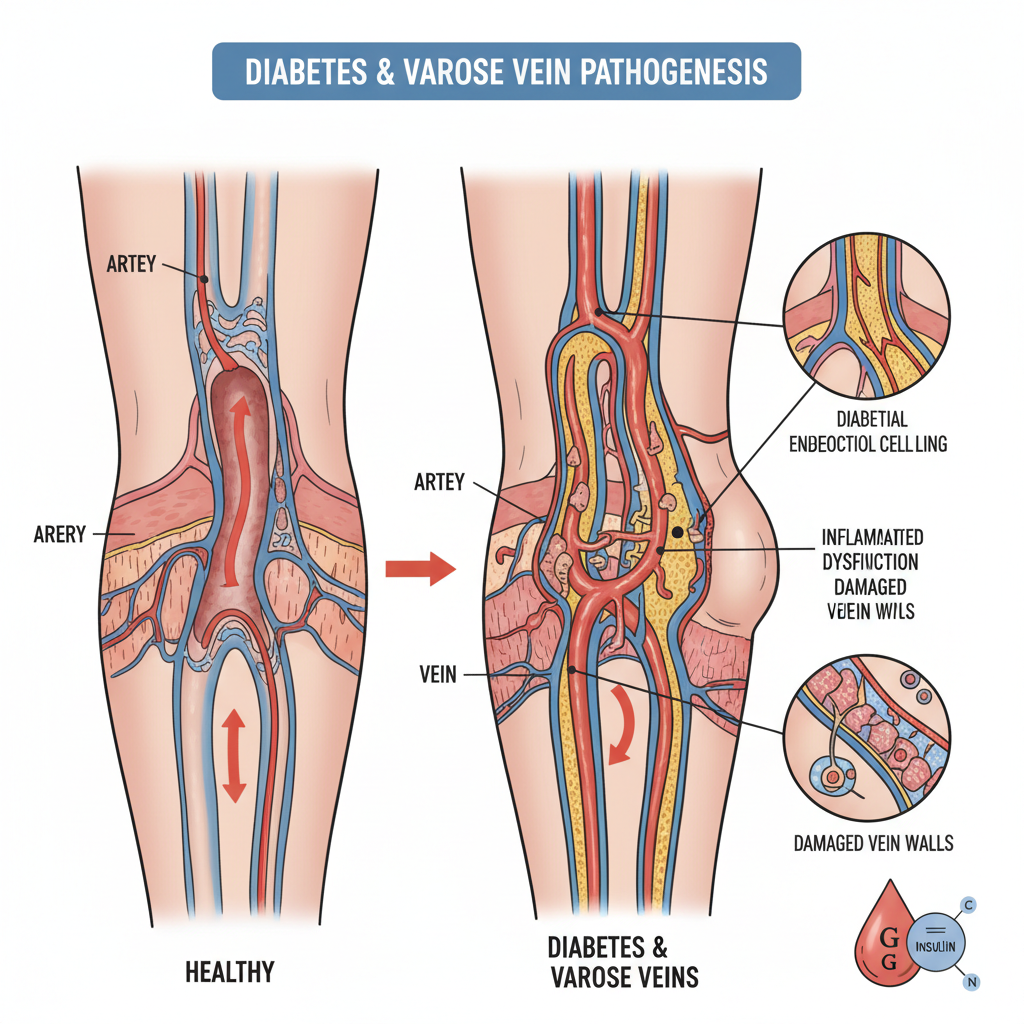
Medical illustration showing the connection between diabetes and varicose vein development in the lower extremities
Varicose VeinsDecember 18, 2018

How Varicose Veins and Diabetes Are Related

People with diabetes are more susceptible to developing varicose veins. Diabetes can retard circulation in the extremities, causing blood to pool and weaken vein walls — increasing the likelihood of varicose vein formation. Treatment options range from lifestyle changes to Endovenous Laser Ablation Therapy for advanced cases.

Illustration comparing peripheral arterial disease and venous insufficiency blood flow patterns in the legs
Vascular Health

Do You Have Both PAD & Venous Insufficiency?

Venous insufficiency is an "outflow" problem — blood struggles to flow out of leg veins back to the heart. Peripheral Arterial Disease (PAD) is an "inflow" problem — narrowed vessels restrict blood flow into the legs. An Ankle-Brachial Index (ABI) test can diagnose both conditions simultaneously.

Ready to Take Control of Your Vein Health?

Our board-certified vein specialists are here to help. Schedule a free vein screening at one of our 7 locations in Michigan and South Carolina.

Book Your Free Screening