Take our Vein Health Assessment!
Call Now
Deep Vein ThrombosisAugust 3, 2026

Deep Vein Thrombosis (DVT): Everything You Need to Know

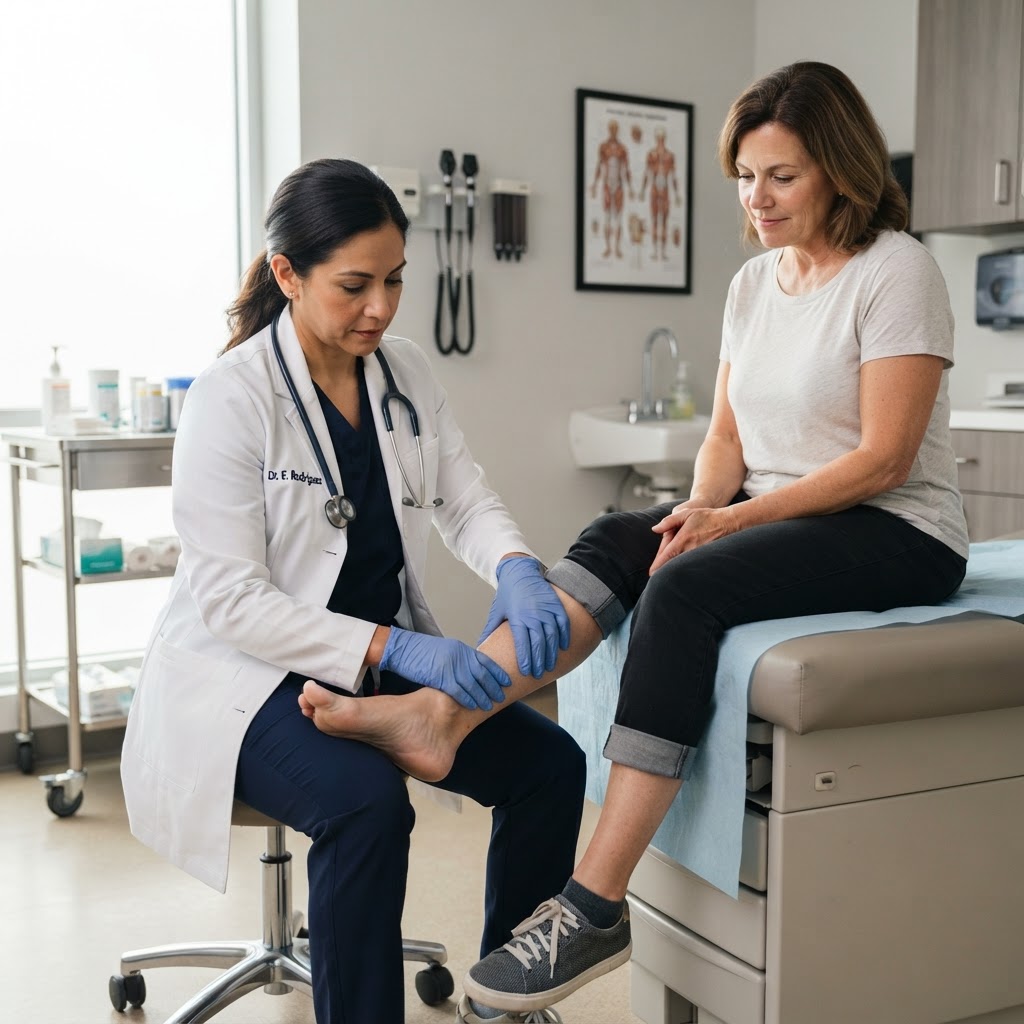
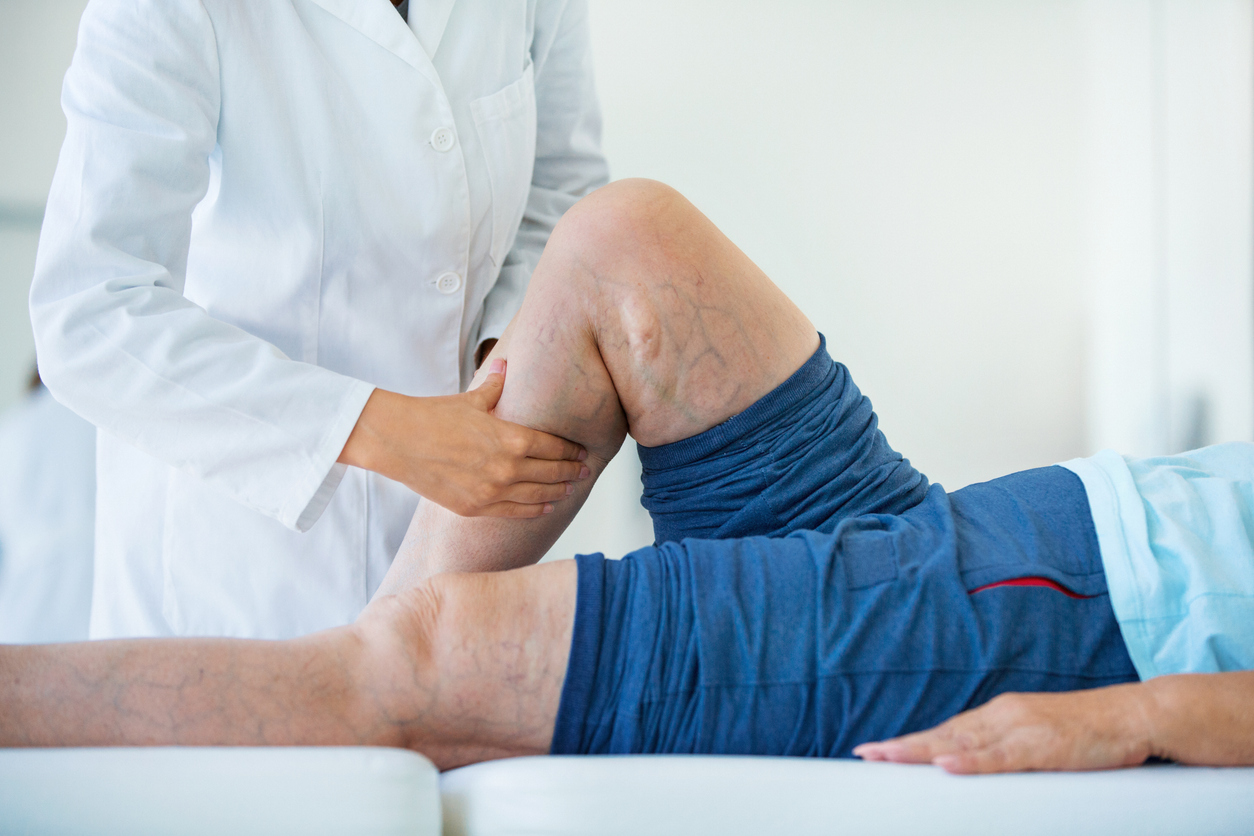
Doctor examining a patient's leg for signs of deep vein thrombosis and varicose veins

Deep vein thrombosis (DVT) is a serious condition that occurs when a blood clot forms in one of the body's deep veins, most commonly in the legs. While some people mistake the symptoms for a pulled muscle or minor swelling, DVT can become life-threatening if the clot travels to the lungs and causes a pulmonary embolism (PE).

The good news is that deep vein thrombosis is highly treatable when diagnosed early. Recognizing the warning signs and seeking prompt medical attention can significantly reduce the risk of complications.

Whether you're experiencing symptoms, have recently had surgery, travel frequently, or simply want to understand your risk, this guide explains everything you need to know about DVT.

What Is Deep Vein Thrombosis?

Deep vein thrombosis occurs when a blood clot develops inside a deep vein. These veins are located beneath the muscles and carry blood back toward the heart.

Although DVT can occur anywhere in the body, it most commonly affects the:

  • Calf
  • Thigh
  • Pelvis

Less commonly, DVT can develop in the arms.

Normally, blood clots form to stop bleeding after an injury. With DVT, however, the clot forms inside a healthy vein, restricting blood flow and potentially breaking loose.

If the clot travels through the bloodstream to the lungs, it can block blood flow, resulting in a pulmonary embolism, a medical emergency requiring immediate treatment.

Deep Vein Thrombosis Symptoms

One of the challenges with DVT is that symptoms can vary widely. Some individuals experience significant pain and swelling, while others have few or no symptoms at all.

The most common deep vein thrombosis symptoms include:

  • Swelling in one leg
  • Calf pain or tenderness
  • Leg cramping
  • Warmth over the affected area
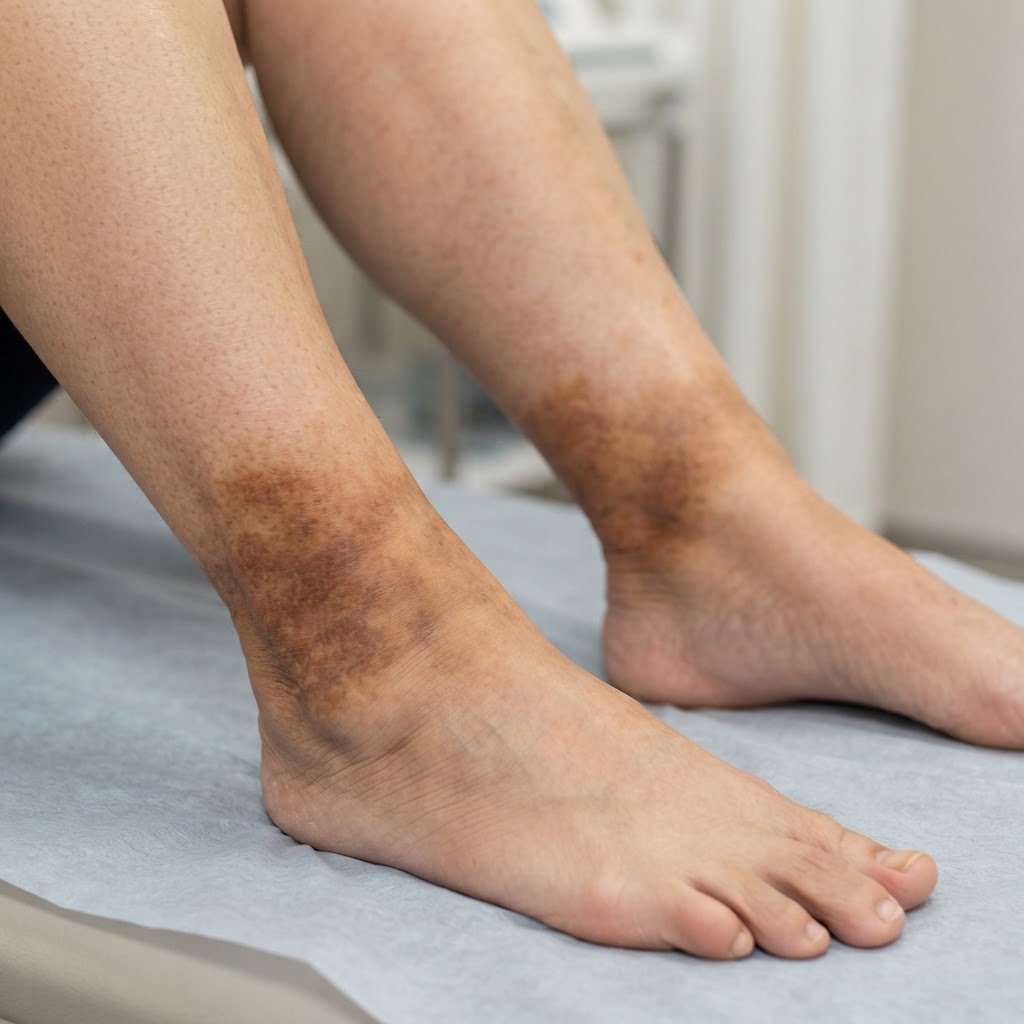
  • Red, bluish, or discolored skin
  • Enlarged surface veins
  • A feeling of heaviness in the leg
  • Tightness while walking

Symptoms almost always occur on one side.

What Does a Blood Clot Feel Like?

Many patients describe the pain as:

  • A persistent charley horse
  • Muscle soreness that doesn't improve
  • Tightness behind the knee
  • Deep aching in the calf
  • Pain that worsens while standing or walking

Although these symptoms don't always indicate DVT, they should never be ignored.

When Should You Go to the Emergency Room?

Call 911 or seek emergency medical care immediately if you experience:

  • Sudden shortness of breath
  • Sharp chest pain
  • Rapid heartbeat
  • Coughing up blood
  • Dizziness
  • Fainting

These symptoms may indicate a pulmonary embolism, which can be fatal if left untreated.

What Causes Deep Vein Thrombosis?

Deep vein thrombosis develops when blood flow slows, blood becomes more likely to clot, or the vein wall becomes damaged.

Medical professionals often refer to this combination as Virchow's Triad, which includes:

  • Slowed blood flow
  • Increased blood clotting
  • Injury to the vein

Common Risk Factors for DVT

1. Long Periods of Sitting

Long-distance travel by car or airplane can reduce circulation in the legs. Examples include:

  • Flights longer than four hours
  • Long road trips
  • Sitting at a desk all day without movement

2. Recent Surgery

Major surgery temporarily increases clotting risk, especially:

  • Hip replacement
  • Knee replacement
  • Abdominal surgery
  • Cancer surgery

3. Pregnancy

Pregnancy naturally increases clotting factors while placing additional pressure on the pelvic veins. The risk remains elevated for several weeks after delivery.

4. Cancer

Many cancers and cancer treatments increase blood clot formation.

5. Obesity

Extra weight places greater pressure on the veins and often contributes to reduced mobility.

6. Smoking

Smoking damages blood vessels and increases clotting risk.

7. Hormonal Medications

Examples include:

  • Birth control pills
  • Hormone replacement therapy
  • Certain fertility treatments

8. Family History

Some inherited clotting disorders significantly increase DVT risk.

9. Previous Blood Clots

Individuals who have experienced one DVT have a higher chance of developing another.

How Is Deep Vein Thrombosis Diagnosed?

Your healthcare provider may perform:

Duplex Ultrasound

This painless imaging test uses sound waves to evaluate blood flow and identify clots.

It is considered the gold standard for diagnosing leg DVT.

D-Dimer Blood Test

This blood test measures clot breakdown products.

A normal result may help rule out DVT in low-risk patients.

CT or MRI Venography

These imaging studies may be recommended for clots in the pelvis or abdomen.

Deep Vein Thrombosis Treatment

Treatment depends on the clot's size, location, and severity.

Blood Thinners (Anticoagulants)

These medications prevent clots from growing while reducing the chance of new clot formation. Common medications include:

  • Eliquis (apixaban)
  • Xarelto (rivaroxaban)
  • Warfarin
  • Heparin

Many patients remain on blood thinners for three to six months.

Catheter-Directed Thrombolysis

Patients with large or severe clots may benefit from minimally invasive treatment that delivers clot-dissolving medication directly into the clot.

This approach may help preserve vein function in select cases.

Mechanical Thrombectomy

Some vascular specialists can physically remove large blood clots using advanced catheter-based devices.

This minimally invasive procedure may be considered in carefully selected patients.

Compression Stockings

Medical-grade compression stockings may help reduce swelling and lower the risk of post-thrombotic syndrome.

Can Deep Vein Thrombosis Be Prevented?

Although not every blood clot is preventable, healthy habits can significantly reduce your risk.

Prevention Tips

  • Walk every one to two hours during travel
  • Stay hydrated
  • Exercise regularly
  • Maintain a healthy weight
  • Quit smoking
  • Wear compression stockings if recommended
  • Take prescribed blood thinners after surgery
  • Move frequently if you work at a desk

Even standing for a few minutes every hour improves circulation.

Long-Term Complications

Without treatment, DVT may lead to:

Pulmonary Embolism

A pulmonary embolism occurs when part of the clot travels to the lungs and blocks blood flow.

This condition can quickly become life-threatening.

Post-Thrombotic Syndrome

Damage to the leg veins can cause:

  • Chronic swelling
  • Pain
  • Skin discoloration
  • Varicose veins
  • Venous ulcers
  • Leg fatigue

Early treatment reduces the likelihood of developing these complications.

When Should You See a Vein Specialist?

You should schedule an evaluation if you experience:

  • Persistent one-sided leg swelling
  • Calf pain that doesn't improve
  • Warmth and redness in one leg
  • A history of DVT
  • Chronic swelling after treatment
  • Symptoms of chronic venous insufficiency

A vascular or vein specialist can determine whether additional testing or treatment is appropriate.

Frequently Asked Questions

Q: Can deep vein thrombosis go away on its own?

A: Some clots may stabilize or partially dissolve over time, but untreated DVT can lead to serious complications. Anyone with suspected DVT should seek medical evaluation promptly.

Q: Is walking good for DVT?

A: After appropriate treatment has begun, many patients are encouraged to walk because it promotes circulation. Follow your healthcare provider's instructions regarding activity.

Q: How long does DVT treatment last?

A: Treatment commonly lasts three to six months, though some patients may require longer-term anticoagulation depending on the cause of the clot and their individual risk factors.

Q: Can flying cause DVT?

A: Long flights can increase the risk of DVT because sitting for extended periods slows blood flow in the legs. Staying hydrated, walking during flights, and performing calf exercises can help reduce the risk.

Q: Are varicose veins the same as DVT?

A: No. Varicose veins affect superficial veins and are generally not life-threatening, whereas DVT affects deep veins and carries the risk of pulmonary embolism.

Q: Is DVT hereditary?

A: Some inherited clotting disorders can increase the likelihood of developing DVT. If multiple family members have experienced blood clots, discuss your family history with your healthcare provider.

Final Thoughts

Deep vein thrombosis is a potentially dangerous condition, but it is also highly treatable when diagnosed early. If you notice persistent swelling, calf pain, redness, or warmth in one leg, don't ignore the symptoms.

Prompt diagnosis and appropriate treatment can help prevent pulmonary embolism, preserve vein health, and reduce the risk of long-term complications.

If you're experiencing symptoms of DVT or have concerns about your risk, schedule an evaluation with a qualified healthcare provider or vein specialist.

Ready to Take Control of Your Vein Health?

Our board-certified vein specialists offer free screenings at 7 locations across Michigan and South Carolina.

Book Your Free Screening