When Achy, Heavy Legs Are More Than Just Aging
Many people assume aching, swollen, or tired legs are simply part of getting older or spending long hours on their feet. While fatigue can certainly cause temporary discomfort, persistent symptoms such as heavy legs, swelling, restless legs, leg cramps, or visible varicose veins may indicate chronic venous insufficiency, a common vein condition that often goes undiagnosed for years.
At America's Vein Doctors in Clarkston, our vascular team regularly evaluates patients who have lived with these symptoms for years before discovering that poor vein function is the underlying cause. Early evaluation can relieve symptoms, improve quality of life, and help prevent complications.
What Is Venous Insufficiency?
Venous insufficiency occurs when the one-way valves inside the leg veins stop working properly. Instead of moving blood efficiently back toward the heart, blood begins to pool in the lower legs. This increased pressure can lead to inflammation, swelling, aching, skin changes, and eventually non-healing wounds if left untreated.
Because the calf muscles play an important role in returning blood to the heart, symptoms are often most noticeable below the knee.
Common Symptoms of Vein Disease
Many patients expect vein disease to begin with large, bulging varicose veins. In reality, symptoms frequently develop long before veins become obvious.
Common symptoms include:
- Heavy or tired legs
- Aching after standing
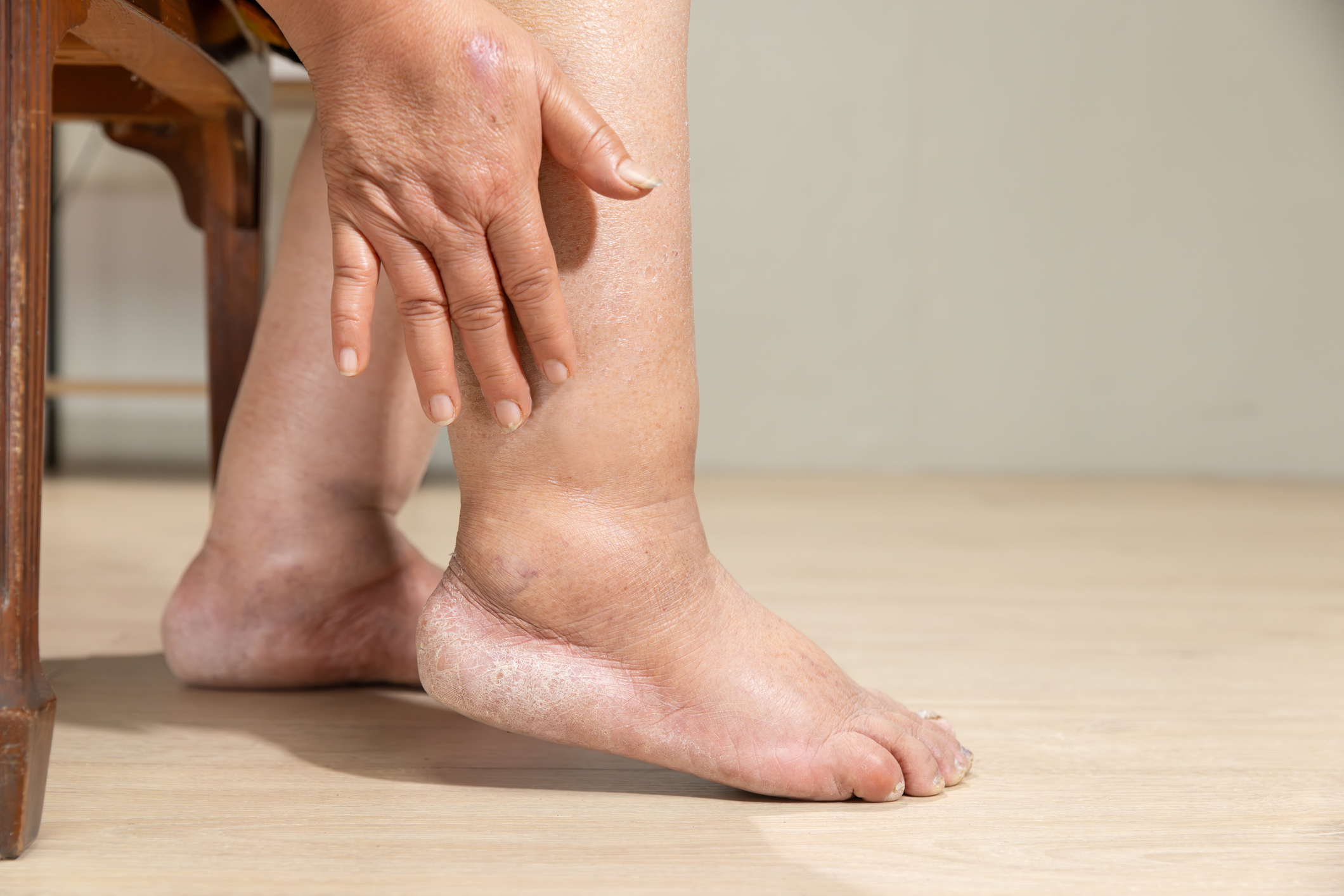
- Swollen ankles or lower legs
- Restless legs, especially at night
- Leg cramps
- Skin discoloration
- Varicose veins
- Slow-healing wounds in advanced cases
If you regularly notice sock indentations at the end of the day or feel that your legs become heavier as the day progresses, a vein evaluation may be appropriate.
Do You Need Varicose Veins to Have Vein Disease?
No. Many patients with chronic venous insufficiency have very little visible vein enlargement. An ultrasound is often needed to determine whether the valves inside the veins are functioning properly.
Who Is at Higher Risk?
Risk factors include family history, pregnancy, prolonged standing or sitting, obesity, aging, and previous blood clots. Even active individuals can develop venous insufficiency.
How Is Vein Disease Diagnosed?
Your evaluation begins with a discussion of your symptoms, medical history, and family history followed by a physical examination. The most important diagnostic test is a venous ultrasound, which maps blood flow and evaluates the function of the vein valves. This allows providers to determine whether venous insufficiency is present and whether treatment is medically appropriate.
Modern Vein Treatment
Today's minimally invasive vein procedures are performed in an outpatient setting without major surgery or lengthy recovery. Most patients return to normal activities immediately and are encouraged to walk after treatment. Depending on insurance requirements and medical necessity, treatment may begin shortly after diagnosis.
Does Insurance Cover Treatment?
Many insurance plans cover medically necessary vein treatment when patients have symptoms and ultrasound confirms venous insufficiency. Your care team will review your benefits before treatment begins.
Why Early Treatment Matters
Ignoring vein disease can allow symptoms to worsen over time. Early diagnosis may reduce pain and swelling, improve mobility, and decrease the risk of skin breakdown or venous ulcers.
Why Choose America's Vein Doctors by Allure Medical in Clarkston?
Patients throughout Clarkston and nearby communities trust us for comprehensive vein evaluations, diagnostic ultrasound, and minimally invasive treatment performed by an experienced vascular team. Our goal is to identify the cause of your symptoms and recommend personalized treatment designed to improve your comfort and long-term vein health.
Frequently Asked Questions
Q: Can heavy legs be caused by vein disease?
A: Yes. Heavy, aching legs are among the most common symptoms of chronic venous insufficiency.
Q: Can I have vein disease without varicose veins?
A: Yes. Many patients have significant valve dysfunction without large visible veins.
Q: Is vein treatment painful?
A: Modern minimally invasive treatments are generally well tolerated and require little downtime.
Q: When should I schedule an evaluation?
A: If symptoms persist, worsen throughout the day, or interfere with daily activities, an evaluation is recommended.
Learn More
Schedule Your Free Vein Screening
If you live in Clarkston, Independence Township, Waterford, Lake Orion, Holly, or nearby communities and experience heavy legs, swelling, restless legs, leg cramps, or varicose veins, schedule a free vein screening at America's Vein Doctors by Allure Medical. Our experienced vascular team can determine whether additional evaluation with ultrasound is appropriate and help you take the next step toward healthier legs.
Schedule Free Screening