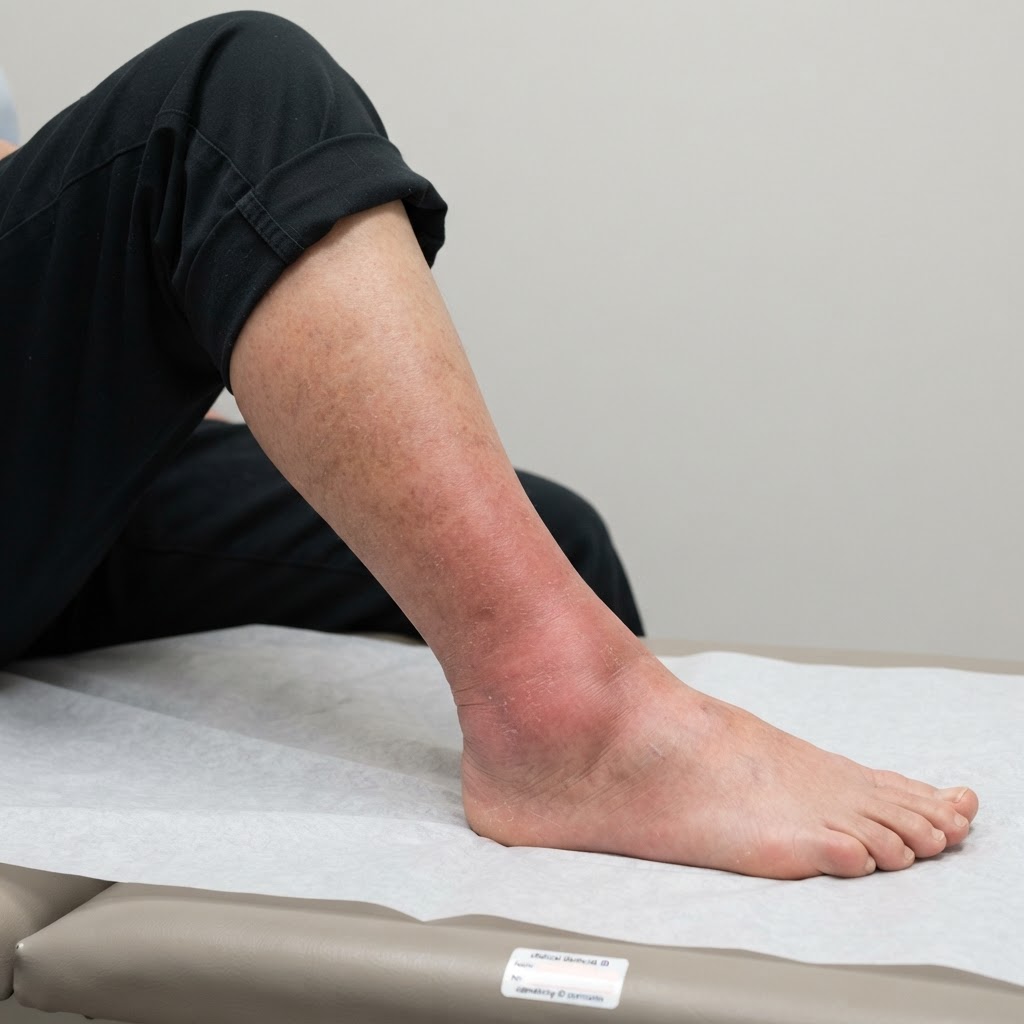
A red, swollen, painful leg is often diagnosed as cellulitis. However, in patients with chronic venous insufficiency, the redness may have another cause.
Venous insufficiency can produce inflammation known as stasis dermatitis, or venous eczema. In more advanced cases, patients may develop lipodermatosclerosis, which can make the lower leg red, tender, thickened, and painful. Both conditions can resemble cellulitis, even though they are not bacterial infections.
At the same time, chronic swelling and skin damage caused by venous disease can make a person more vulnerable to developing genuine cellulitis. Understanding the difference is important because these conditions require different treatments.
The short answer
Venous insufficiency does not directly cause cellulitis, but it can increase the risk of developing it. It can also cause noninfectious inflammation that looks remarkably similar to cellulitis.
True cellulitis is a bacterial infection and generally requires antibiotics. Stasis dermatitis and lipodermatosclerosis are inflammatory complications of poor venous circulation. Antibiotics will not correct those underlying venous problems.
Because it can be difficult to distinguish these conditions by appearance alone, new or worsening leg redness should be evaluated by an appropriate healthcare professional.
What is cellulitis?
Cellulitis is a bacterial infection involving the deeper layers of the skin and the tissue beneath it. It most commonly affects the feet and lower legs.
Typical signs and symptoms may include:
- Redness that develops or spreads
- Warmth
- Swelling
- Pain or tenderness
- Fever or chills
- Blisters or drainage in more severe cases
- Feeling tired or generally unwell
Cellulitis often affects one leg, although that feature alone cannot confirm the diagnosis. When true cellulitis is present, timely antibiotic treatment is important because an untreated infection can spread and cause serious complications.
How can venous insufficiency look like cellulitis?
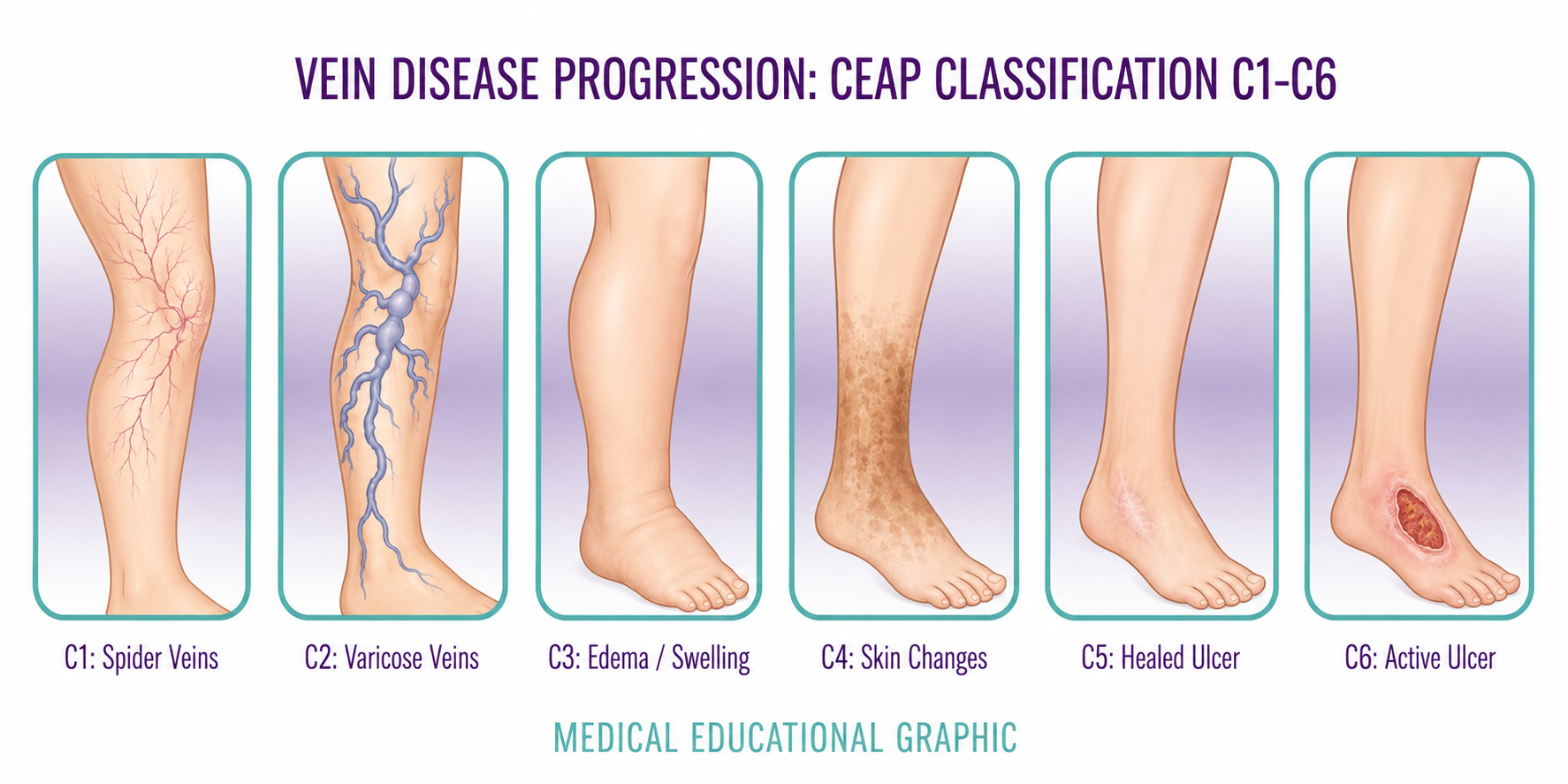
Chronic venous insufficiency develops when valves inside the leg veins fail to move blood efficiently back toward the heart. Blood can flow backward and pool in the lower legs, a process called venous reflux.
Over time, increased pressure inside the veins can allow fluid and inflammatory substances to collect in the surrounding tissue. This may cause:
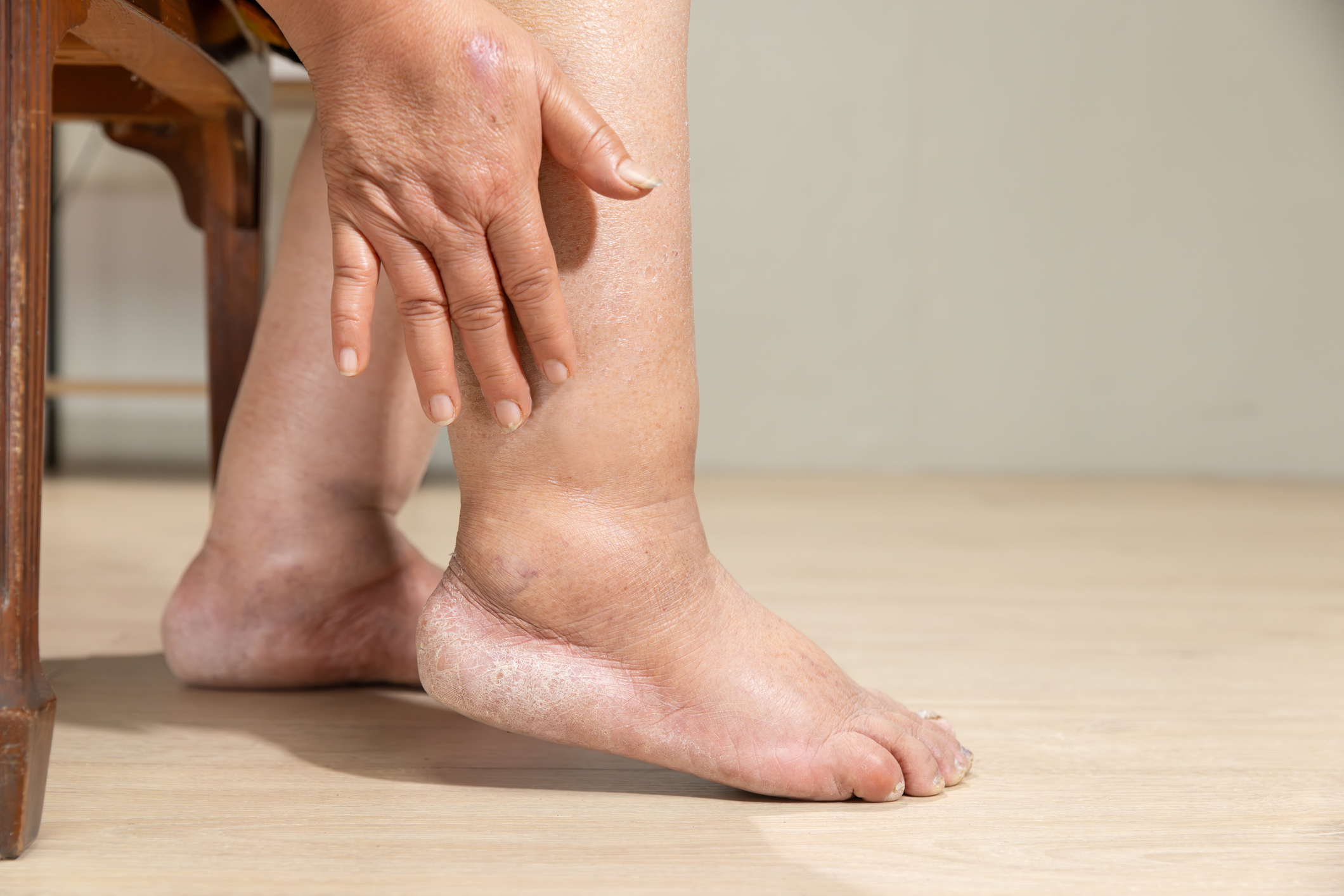
- Persistent ankle or lower-leg swelling
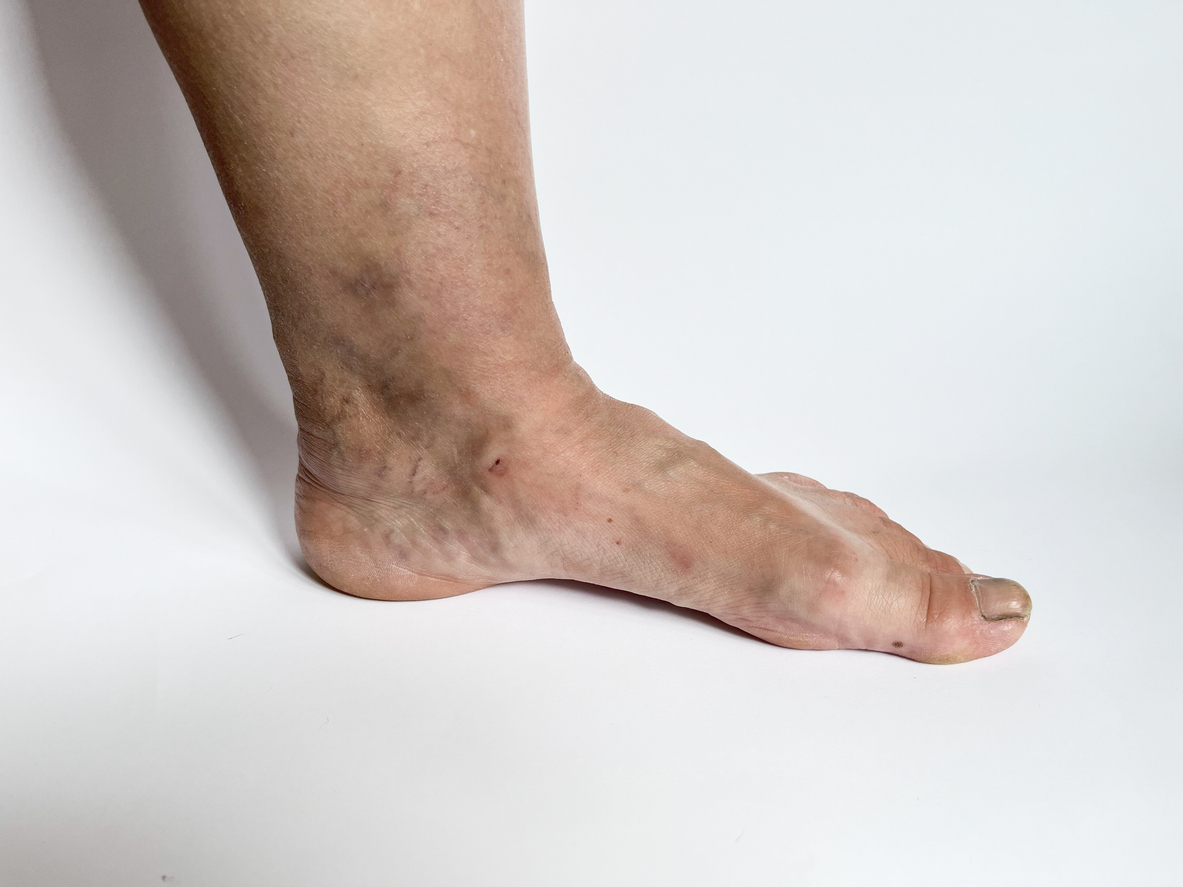
- Red or reddish-brown discoloration
- Dry, itchy, or scaly skin
- Aching, burning, or tenderness
- Skin thickening or hardening
- Open or slow-healing venous ulcers
When this inflammation affects the skin, it is commonly called stasis dermatitis. A sudden inflammatory flare can make the leg appear bright red, swollen, warm, and painful—features that overlap with cellulitis.
Patients with longstanding venous disease may experience repeated episodes and sometimes report receiving several courses of antibiotics without lasting improvement. That pattern may suggest that venous inflammation, rather than infection alone, is contributing to the symptoms.
However, a previous lack of response to antibiotics does not prove that a current episode is noninfectious. Each new or worsening episode should be evaluated on its own.
Stasis dermatitis vs. cellulitis: what is the difference?
The conditions can look similar, and there is no reliable at-home test that can distinguish them. Certain patterns may help a healthcare professional determine what is happening.
| Feature | Cellulitis | Venous stasis dermatitis |
|---|---|---|
| Cause | Bacterial infection | Inflammation related to venous disease |
| Onset | Often relatively sudden | Usually chronic or recurrent |
| Legs affected | More commonly one leg | Often affects both legs |
| Skin appearance | Red, warm, swollen, and tender | Red or brown, dry, itchy, scaly, or thickened |
| Fever or chills | May occur | Usually absent |
| Antibiotics | Generally required | Do not treat the underlying condition |
| Common location | Can involve a broader area of the lower leg | Frequently begins around the ankles |
These are general tendencies, not diagnostic rules. Cellulitis can occur without fever, stasis dermatitis may affect one leg more than the other, and a patient can have venous disease and cellulitis at the same time.
Does chronic leg swelling increase cellulitis risk?
Yes. Chronic edema—including swelling related to venous insufficiency or lymphatic dysfunction—is an established risk factor for recurrent cellulitis.
Persistent swelling can weaken the skin barrier and affect the surrounding tissue. Cracked skin, eczema, athlete's foot, venous ulcers, or other wounds can then provide an entry point for bacteria.
This creates a potential cycle:
- Venous or lymphatic dysfunction causes chronic swelling.
- Swelling contributes to inflammation and skin damage.
- Damaged skin increases susceptibility to infection.
- Cellulitis can further injure the lymphatic system and contribute to future swelling.
Managing chronic edema and protecting the skin may therefore be important parts of reducing recurrent cellulitis risk. Research has found that appropriately prescribed compression therapy can reduce recurrence among some patients with chronic leg edema.
What is lipodermatosclerosis?
Lipodermatosclerosis is inflammation and fibrosis of the skin and tissue beneath it, most often associated with advanced chronic venous disease.
During an acute flare, the lower leg may become bright red, tender, and painful. This appearance is sometimes mistaken for cellulitis. Over time, the tissue may become firm, thickened, or tightly bound down. The lower leg can eventually develop an “inverted champagne bottle” shape, becoming narrower above the ankle.
These changes indicate longstanding tissue injury. Early evaluation and treatment of the underlying venous disease may help limit further progression, although established fibrosis can be difficult to reverse completely.
Why an accurate diagnosis matters
Treating every red, swollen leg as an infection may expose a patient to unnecessary antibiotics while leaving the underlying venous disease untreated. On the other hand, assuming that redness is “only” venous inflammation could delay treatment of a genuine bacterial infection.
A medical evaluation may include:
- Reviewing how quickly the symptoms began
- Determining whether one or both legs are affected
- Checking for fever, wounds, drainage, or broken skin
- Examining for chronic discoloration, scaling, or tissue hardening
- Evaluating swelling and other signs of venous disease
- Performing a duplex ultrasound when venous reflux or another vascular condition is suspected
An diagnostic ultrasound cannot diagnose cellulitis, but it can help determine whether abnormal vein function is contributing to chronic swelling and skin inflammation.
How are vein-related inflammation and swelling treated?
Treatment depends on the diagnosis, the severity of the symptoms, and the patient's overall circulation and health.
A physician-directed plan may include:
- Properly fitted graduated compression
- Leg elevation
- Regular walking and calf-muscle activity
- Skin moisturization and protection
- Treatment of eczema, fungal infections, wounds, or ulcers
- Prescription topical medication for dermatitis when appropriate
- Evaluation and treatment of underlying venous reflux
Compression should be recommended and fitted appropriately, particularly for patients who may also have arterial circulation problems. Patients should not use leftover antibiotics, steroids, or other prescription medication to treat an undiagnosed red or swollen leg.
If venous reflux is contributing to persistent symptoms, a vein specialist may discuss minimally invasive treatment options based on the ultrasound findings and the patient's individual needs.
When should you seek immediate medical care?
Seek prompt medical attention if you develop:
- Redness that is spreading quickly
- Fever or chills
- Sudden or severe leg pain
- Rapidly increasing swelling
- Blisters, pus, drainage, or an open wound
- Red streaks extending from the affected area
- Confusion, dizziness, rapid breathing, or severe weakness
- Chest pain or shortness of breath
These symptoms can indicate a serious infection, a blood clot, or another condition requiring urgent evaluation.
The bottom line
Venous insufficiency can create two different concerns. It can cause inflammatory skin changes that mimic cellulitis, and chronic swelling or skin damage can increase the risk of developing true bacterial cellulitis.
If your legs repeatedly become red, swollen, tender, or discolored—especially when antibiotics have not produced lasting improvement—it may be appropriate to investigate whether chronic venous insufficiency is contributing to the problem.
The goal is not to assume that every red leg is caused by vein disease. It is to identify the correct cause so that infection, inflammation, swelling, and abnormal vein function can each be treated appropriately.
Still dealing with red, swollen, or painful legs?
America's Vein Doctors evaluates patients for chronic venous insufficiency and related complications. When medically appropriate, diagnostic ultrasound can help determine whether venous reflux is contributing to persistent swelling, discomfort, or skin changes.
Schedule a Vein EvaluationAbout Dr. Robert Musson
Dr. Musson received his Bachelor of Science from the University of Akron and his Doctorate of Medicine from the Ohio State University College of Medicine. He completed his residency at Akron City Hospital and received board certification in Family Medicine. Dr. Musson has specialized full-time in phlebology, or vein medicine, for more than 30 years. He has performed more than 100,000 vein procedures, including more than 20,000 laser and radiofrequency thermal ablations. He is also the author of Varicose Veins and Spider Veins, Myths and Realities.
Author: Dr. Robert Musson · Medical Review: America's Vein Doctors · Published: September 11, 2026
Medical sources
- CDC: About Cellulitis — Overview of cellulitis causes, symptoms, and treatment.
- American Academy of Dermatology: Stasis Dermatitis — Overview of stasis dermatitis symptoms and management.
- American Academy of Dermatology: Cellulitis Overview — Dermatology overview of cellulitis diagnosis and treatment.
- Peer-reviewed review of recurrent cellulitis risk factors — Research on chronic edema and recurrent cellulitis risk.
- 2026 systematic review of cellulitis prevention — Systematic review of compression therapy and cellulitis recurrence prevention.
Medical disclaimer: This article is intended for educational purposes and does not replace individualized medical advice, diagnosis, or treatment. Seek prompt medical attention for new, rapidly worsening, or severe symptoms.