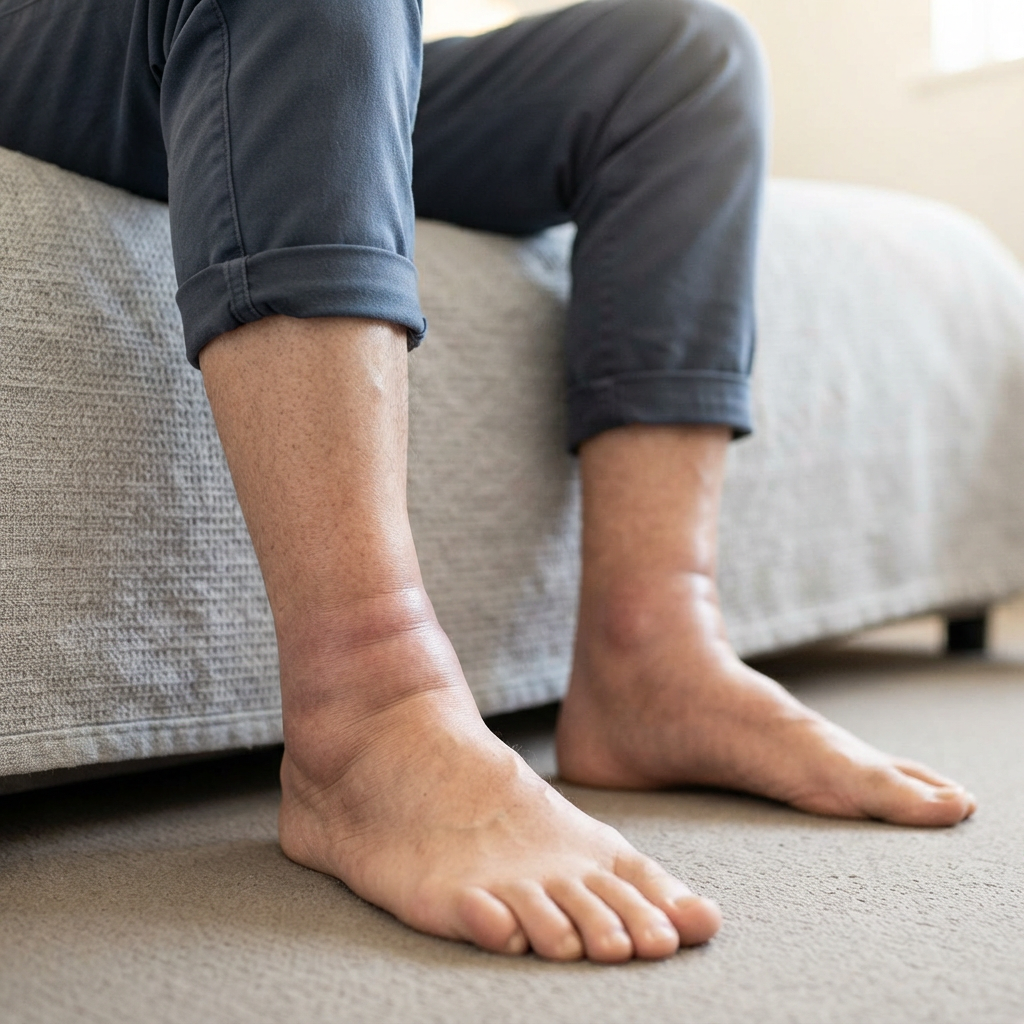
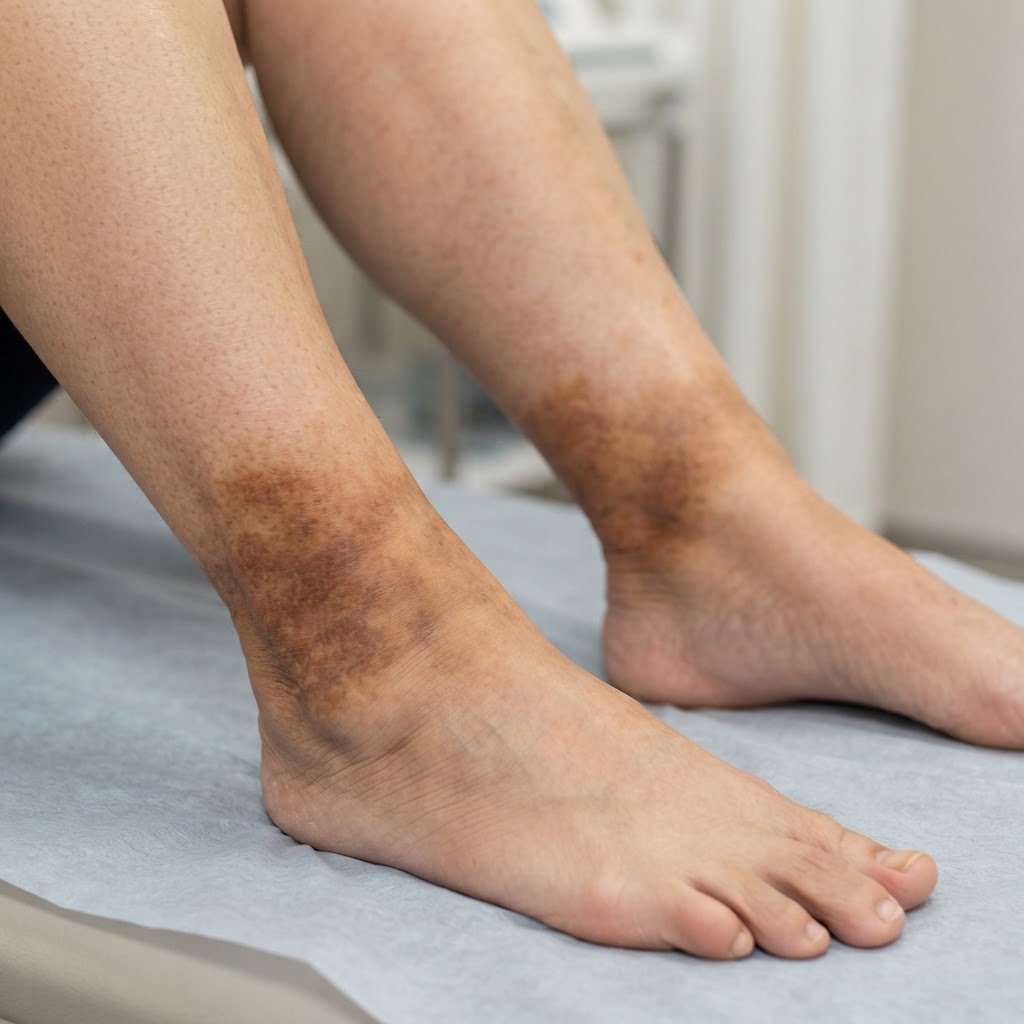
Varicose veins aren't fun. They aren't fun to look at, and they aren't fun to live with. But for millions of Americans across the country, varicose veins are an unpleasant, everyday reality.
Our team takes tremendous pride in its commitment to helping people combat varicose veins whether it be through treatment — like Radio Frequency treatments — or lifestyle advice. In this blog, we'll touch on some of the things you can eat in your war against the development of varicose veins.
Beet Roots
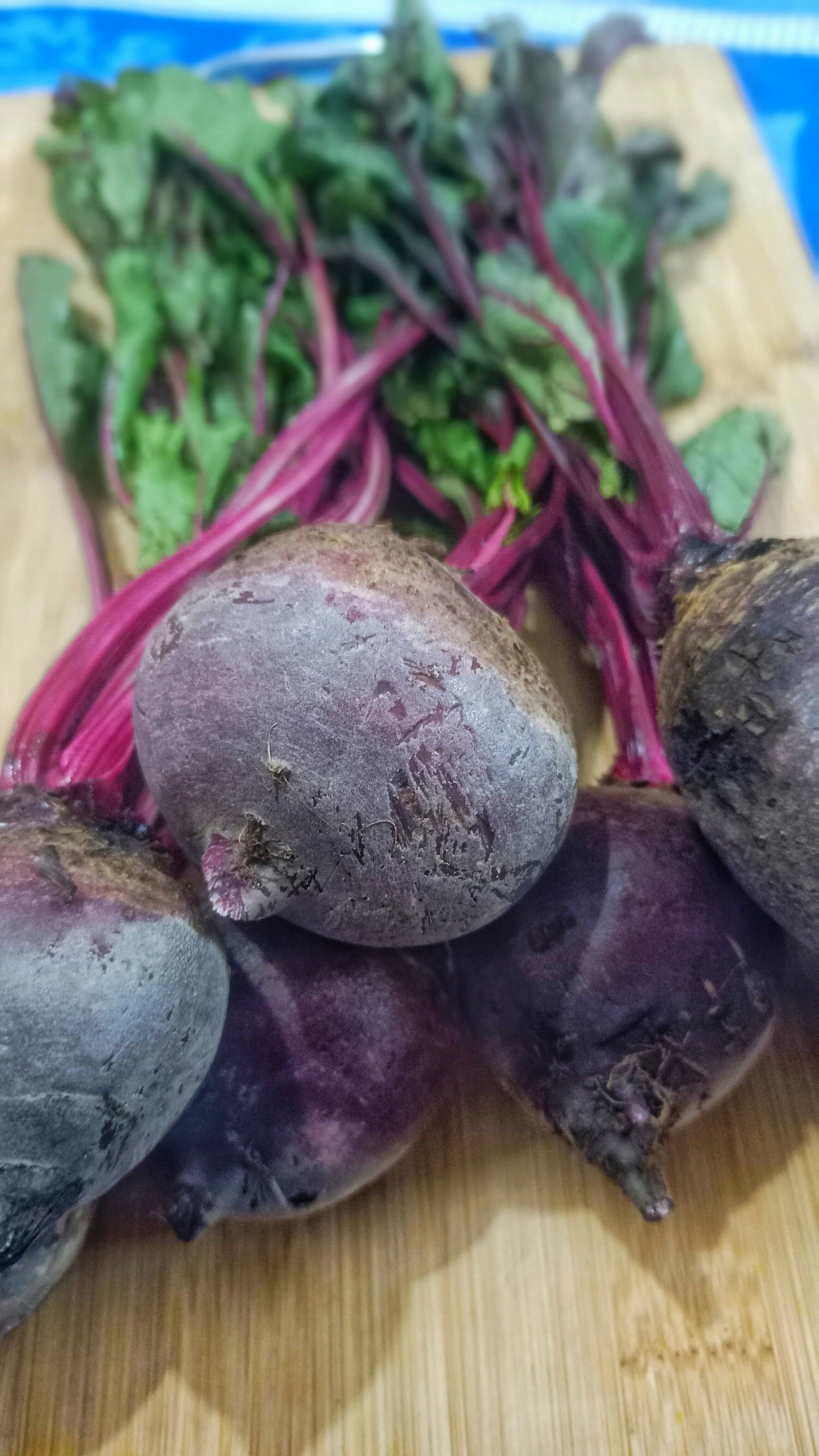
Beet roots (and even beet tops) help the circulatory system combat the formation of varicose veins whether they're consumed raw (in the form of beet juice) or cooked until tender and enjoyed in a salad or as a side dish. They do it with betacyanin, a chemical that lowers the amount of homocysteine (an amino acid) that leads to damage in the blood vessels.
Berries
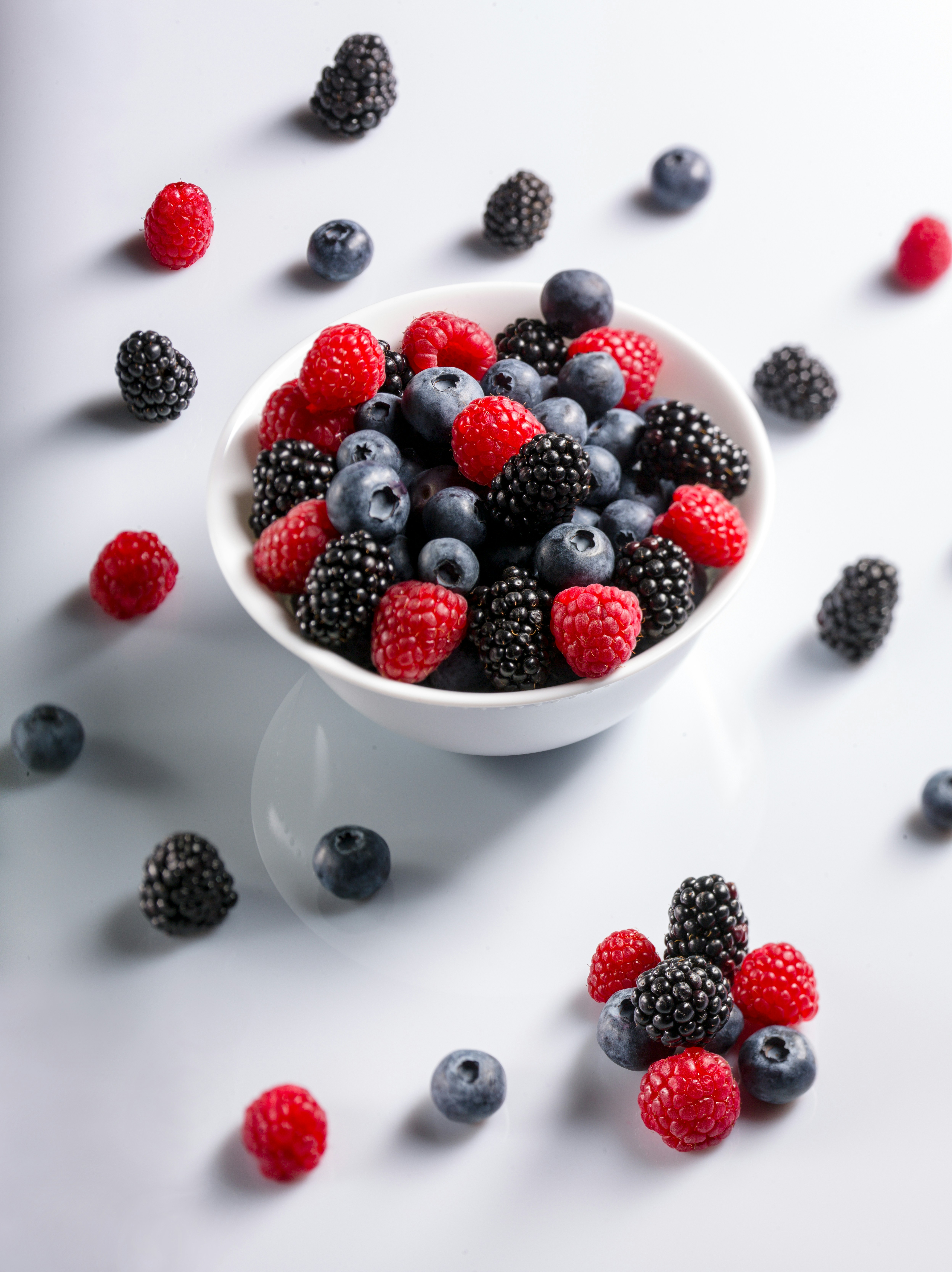
Raspberries, blackberries, and blueberries — everyday berries that you can find at the grocery store pretty much all year round — are rich in antioxidants which improve the overall health of vessels, veins, and capillaries of the circulatory system by reducing inflammation.
Avocados
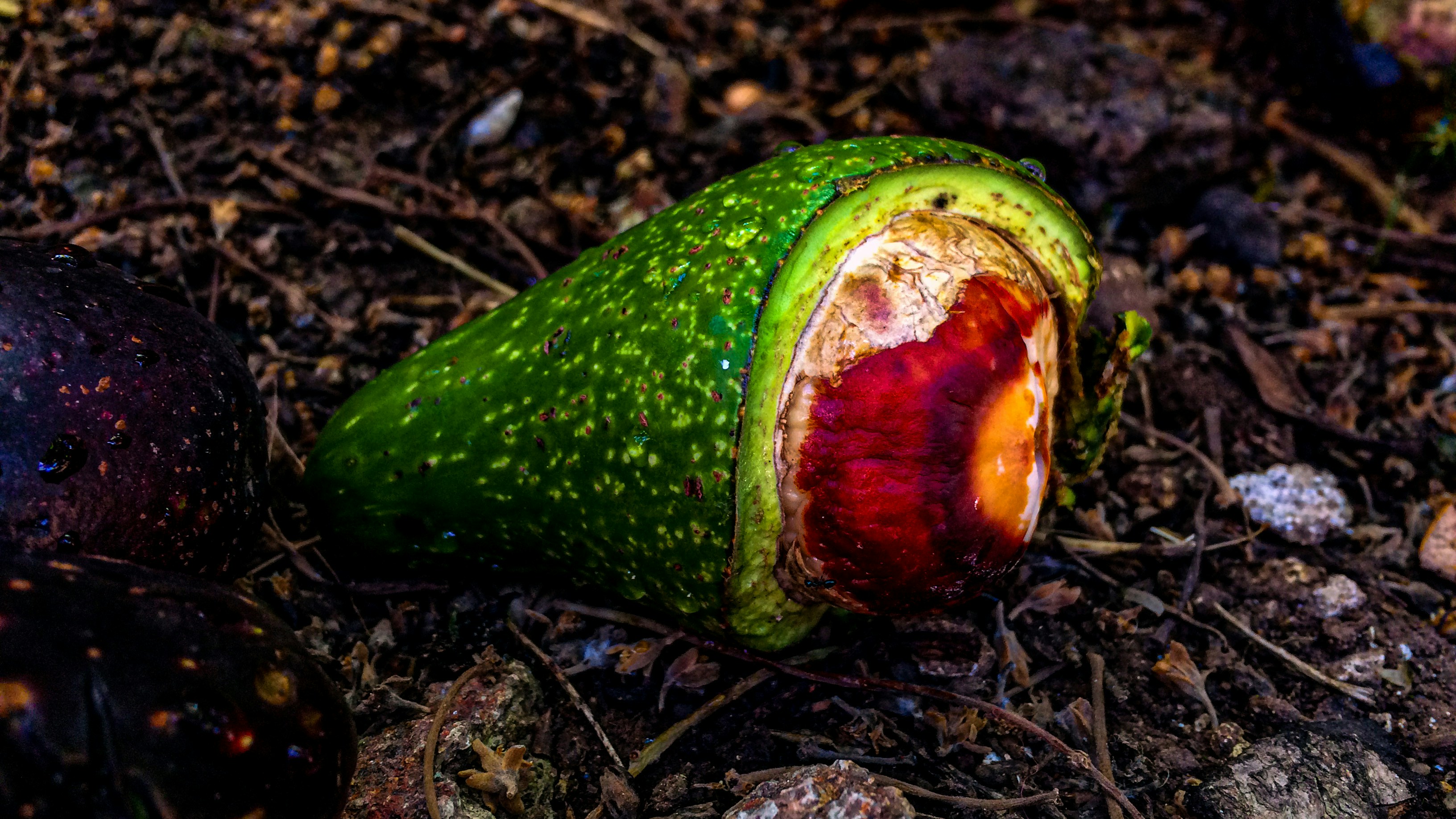
In addition to their various anti-inflammatory properties, avocados are packed with heart-healthy fats, vitamin E, and — most importantly — potassium, a key mineral that can help offset the dangers of a diet that's rich in sodium (like most American diets are). A diet that's heavy in sodium and light in potassium can lead to high blood pressure which can make varicose veins more prominent.
Ginger
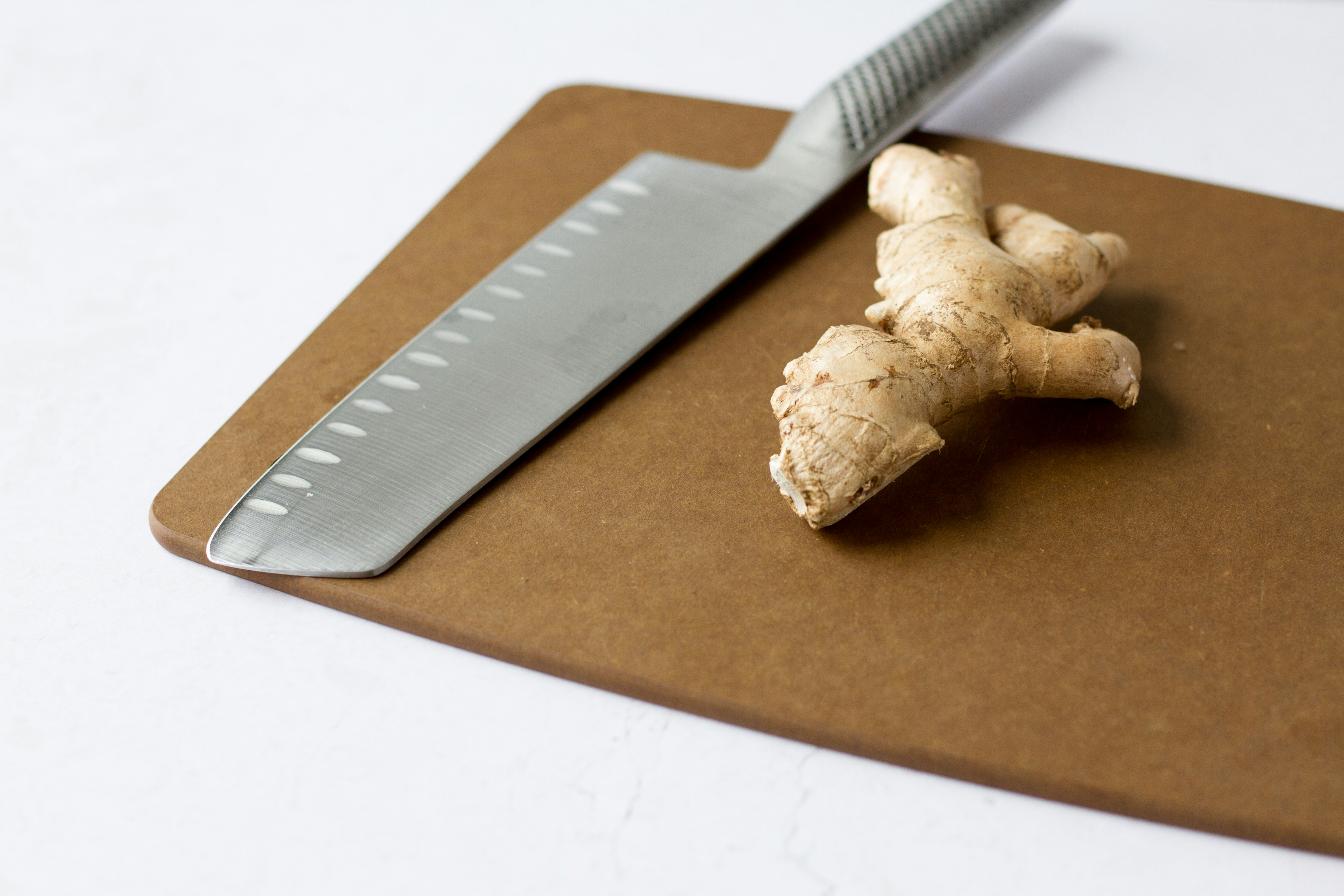
Ginger root is a super-charged anti-inflammatory food that anyone who's trying to avoid varicose veins needs to eat more of. It improves cardiovascular health, helps the body regulate blood sugar, and even helps destroy the fibrin, a protein that makes it easier for varicose veins and spider veins to form.
Broccoli
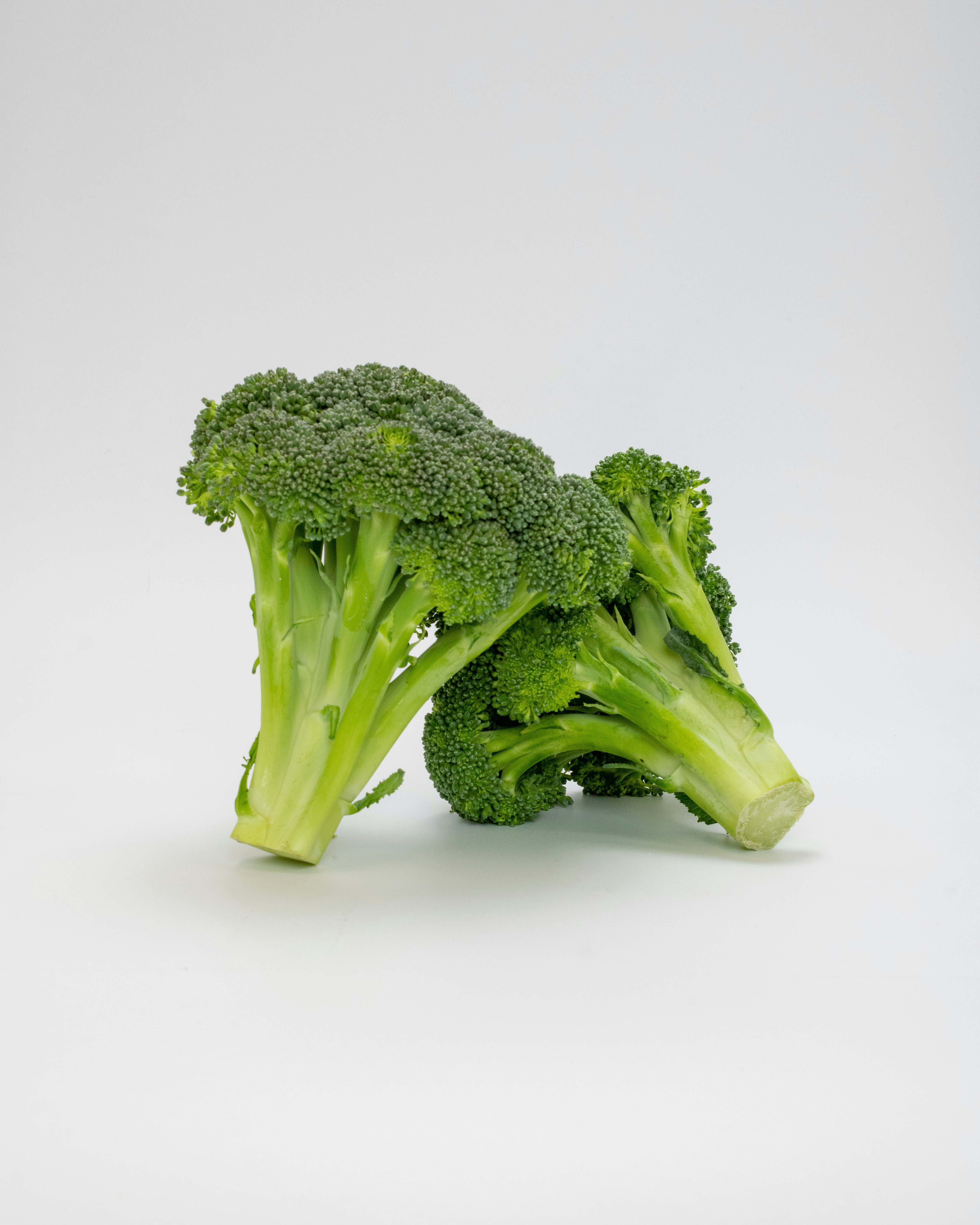
Varicose veins start to form when the vessel walls and valves of the circulatory system start to weaken, which is why broccoli (and other dark greens) are so important to eat — they're rich in vitamin K which helps strengthen those cardiovascular weak spots.
Legumes
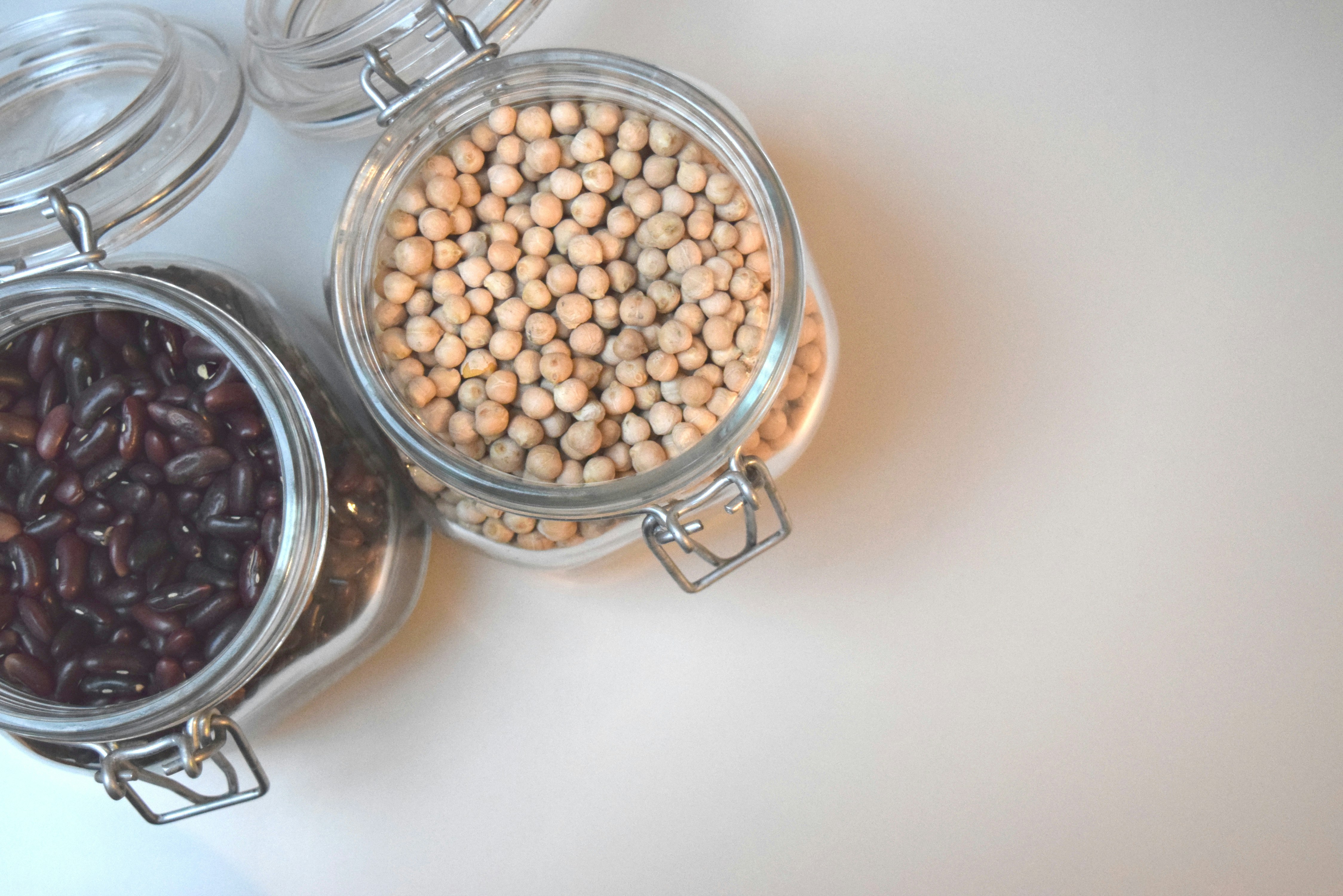
Packed with healthy vegetable proteins and loaded with fiber, legumes are a food built to fight varicose veins. Fiber helps eliminate undue pressure from the cardiovascular system; undue pressure that — if left unchecked — can accelerate the formation of varicose veins.
Citrus Fruits
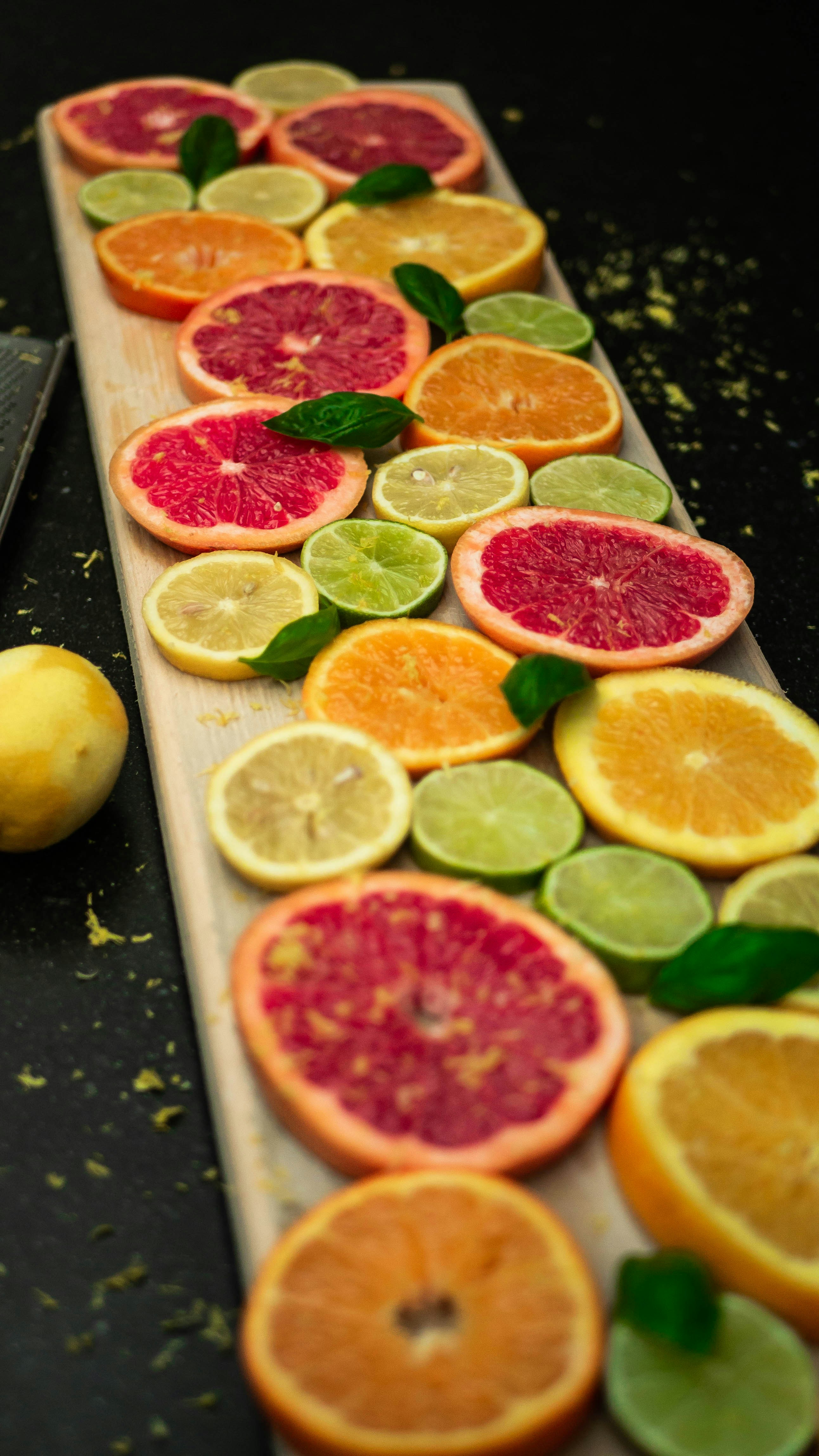
Limes, lemons, oranges, and grapefruits are known for being two things: sweet and sour. In the case of varicose veins, it's the sourness that's most important. That's because the sourness indicates the presence of ascorbic acid, also known as vitamin C. Ascorbic acid allows the body to fight inflammation and produce collagen, a protein that keeps veins, vessels, and capillaries strong, flexible and healthy.