The short answer
Chronic venous insufficiency, or CVI, is not usually considered a life-threatening condition. However, advanced CVI can cause persistent swelling, leg pain, skin damage, inflammation, and venous ulcers. These problems may make it harder to walk, exercise, work, drive, and complete everyday activities.
That loss of mobility matters. When painful or swollen legs lead to prolonged inactivity, a person may enter a cycle of reduced strength, weight gain, worsening cardiovascular health, and loss of independence. CVI does not necessarily shorten life directly, and current evidence does not prove that treating it will add a specific number of years to a person's life. Still, timely care may help preserve mobility, function, and quality of life, which are important parts of a longer health span.
What is chronic venous insufficiency?
Chronic venous insufficiency develops when the veins in the legs have difficulty returning blood toward the heart. Healthy leg veins contain one-way valves that help keep blood moving upward. If these valves become damaged or fail to close properly, blood can flow backward and pool in the legs. This is called venous reflux.
The resulting increase in pressure inside the leg veins can produce symptoms that become more noticeable over time, including:
- Aching, throbbing, burning, or heavy legs
- Swelling in the ankles or lower legs
- Leg fatigue, especially after prolonged standing or sitting
- Varicose veins
- Itching, dryness, or inflammation of the skin
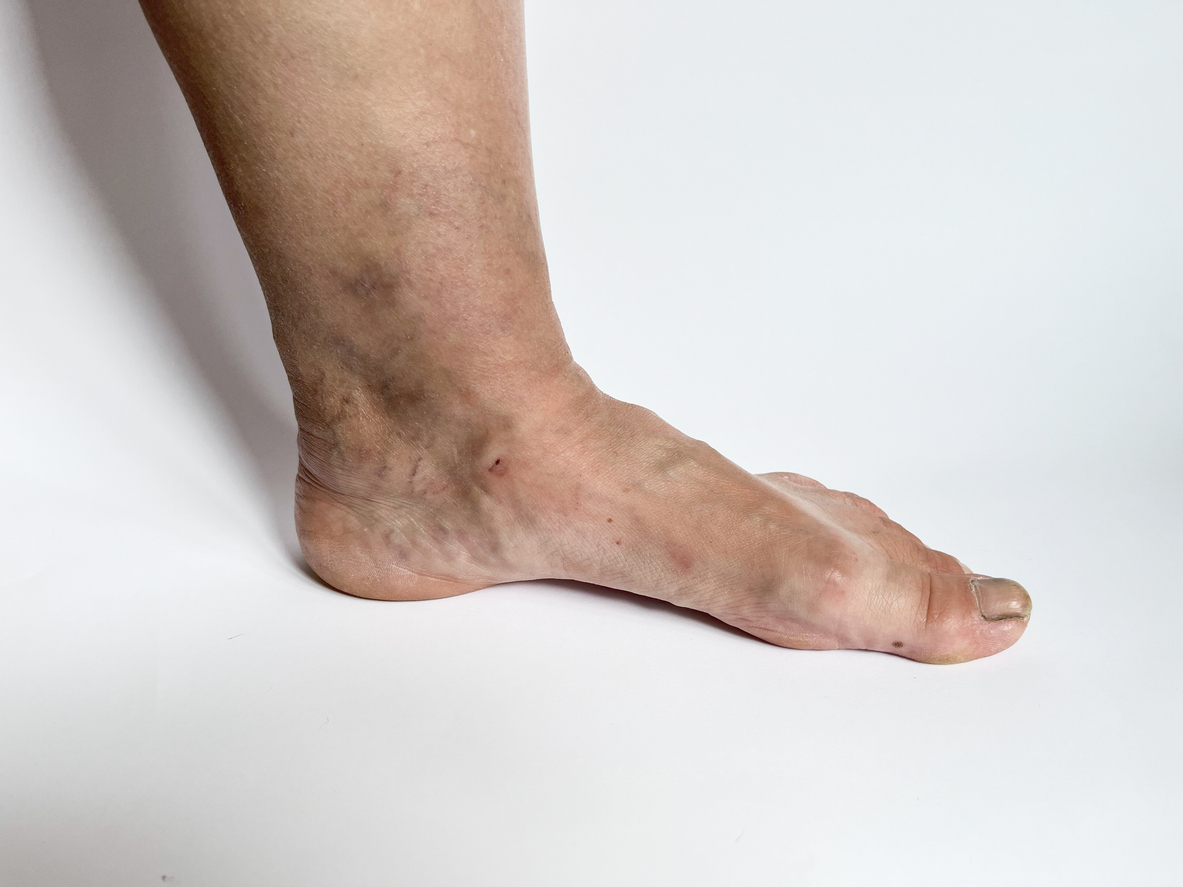
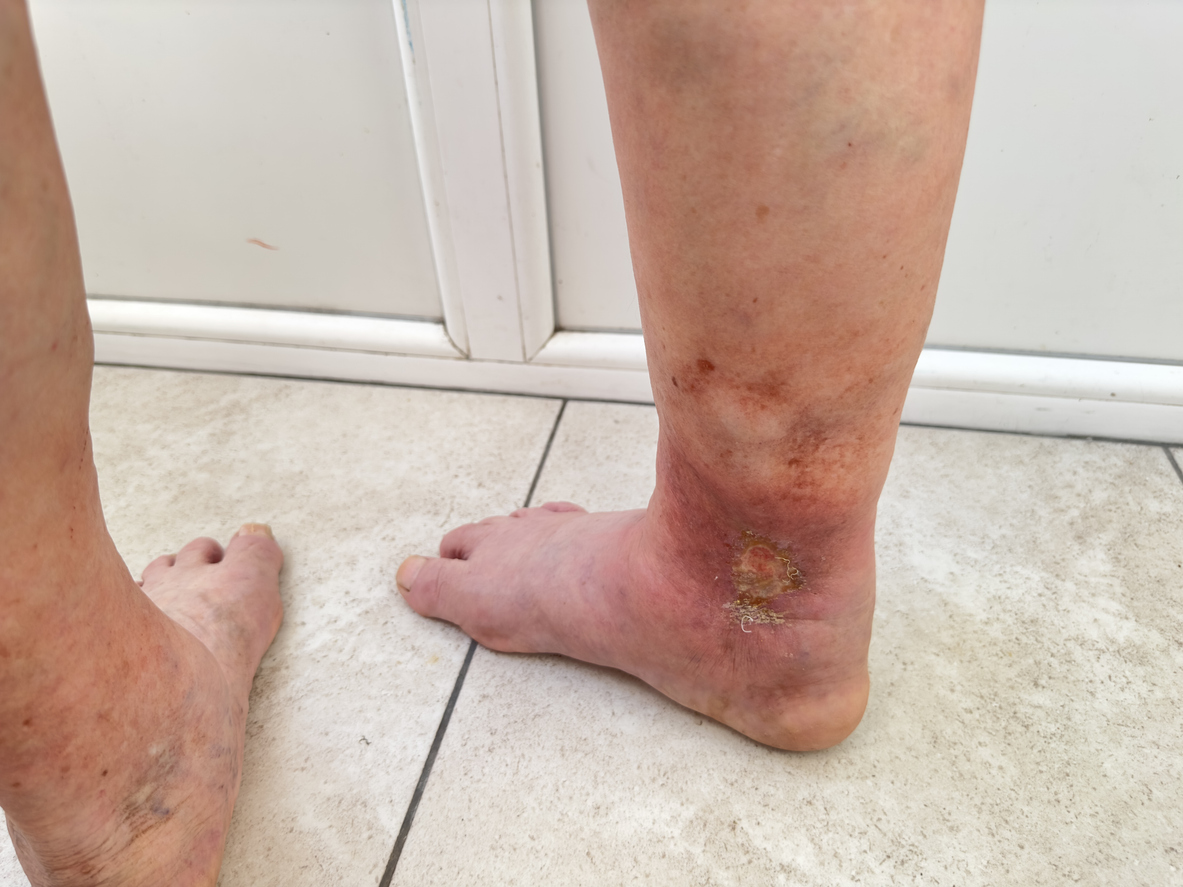
- Reddish-brown skin discoloration near the ankles
- Thickened or hardened skin
- Slow-healing sores, also called venous leg ulcers
CVI is a progressive condition in many patients. A long-term population study found that chronic venous disease frequently worsened over time, especially in people with risk factors such as excess weight, a history of deep vein thrombosis, or significant venous reflux.
Is chronic venous insufficiency life-threatening?
In most cases, CVI itself is not fatal. Venous reflux in the legs is different from heart failure and does not mean that the heart is failing. Many people live with venous insufficiency for years.
That does not mean CVI should be ignored. Advanced disease may cause substantial pain, swelling, skin changes, bleeding, superficial thrombophlebitis, infection, and open wounds. A separate blood clot in a deep vein, known as deep vein thrombosis or DVT, can become life-threatening if it travels to the lungs and causes a pulmonary embolism. Sudden symptoms that could indicate a clot require urgent medical attention.
The key distinction is this: CVI is usually not a direct cause of death, but severe leg symptoms can affect the way a person moves, functions, and manages other health conditions.
How can CVI affect health span and healthy aging?
Life span describes how long a person lives. Health span describes how long that person remains active, independent, and able to enjoy daily life.
For many patients with advanced venous disease, health span is the more immediate concern. Chronic swelling and pain may make a short walk feel difficult. Stairs may become intimidating. Grocery shopping, exercise, driving, or standing at work may become harder. Over time, patients may begin avoiding activities that once kept them strong and socially engaged.
This creates a potential downward cycle:
- Venous reflux contributes to leg swelling, heaviness, pain, or skin damage.
- Leg symptoms make walking and exercise more difficult.
- Reduced activity contributes to muscle loss, decreased endurance, and possible weight gain.
- Greater weakness and body weight place additional demands on the legs.
- Mobility becomes even more limited, and independence may decline.
Low physical function has been associated with a higher risk of heart attack, stroke, and heart failure in older adults, even after researchers accounted for traditional cardiovascular risk factors. Physical inactivity is also associated with poorer heart and brain health. These findings do not show that CVI directly causes cardiovascular disease or dementia. They do show why preserving comfortable movement can be an important part of whole-person health.
Why other medical conditions can intensify the problem
The effect of CVI is often more serious when it occurs alongside another condition that already limits walking. Common examples include:
- Obesity
- Diabetes
- Arthritis of the hips, knees, ankles, or feet
- Peripheral neuropathy
- Lymphedema
- Heart or lung disease
- Previous injury or surgery
- General weakness or frailty
Consider a person who has severe knee arthritis and has been significantly overweight for years. Arthritis may already limit the distance that person can walk. If venous or lymphatic disease then causes persistent leg swelling, heaviness, or skin tenderness, even brief activity may become painful. The patient may start relying on a cane or walker, stop driving, and become increasingly sedentary.
This pattern is not limited to people in their late 70s or 80s. I also see it in patients in their 50s and early 60s. It is especially concerning when leg pain and swelling have already made a walker necessary for routine mobility. Earlier evaluation may offer a better opportunity to protect function before severe limitations become established.
What does research say about advanced venous disease and mortality?
Research increasingly suggests that advanced chronic venous disease can be a marker of broader health risk.
A 2026 observational study of more than 7,000 patients who underwent superficial venous procedures found that patients with a history of venous leg ulcers had worse long-term survival than patients without ulcers. After adjustment for several other factors, ulcer history remained associated with a higher risk of all-cause death. The researchers emphasized that the reason for this association requires further study.
Another study found that impaired calf muscle pump function was associated with worse long-term survival. The calf muscles help propel venous blood out of the lower legs during walking, so poor pump function may reflect frailty, reduced mobility, other illness, or a combination of factors.
These studies show association, not proof of cause and effect. They do not establish that CVI treatment adds four years to life, and patients should be cautious about any claim that promises a specific increase in life expectancy. The more supportable conclusion is that advanced venous disease and poor mobility often occur within a larger pattern of declining health.
Can treating CVI improve mobility and quality of life?
Appropriate treatment can often reduce vein-related symptoms and help patients remain more active. The right plan depends on the cause and severity of the problem, as well as the patient's overall health.
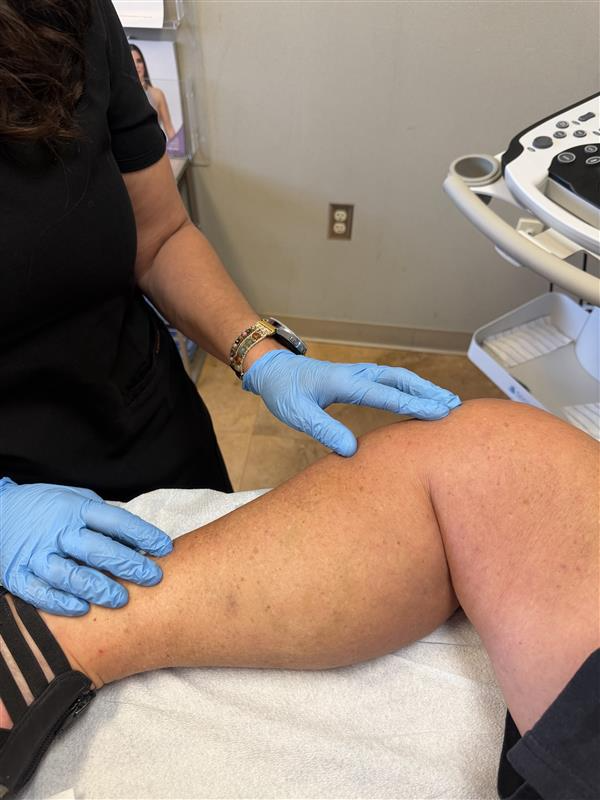
Evaluation commonly includes a medical history, a leg examination, and a duplex ultrasound. This painless, noninvasive test can show the direction of blood flow and identify venous reflux or obstruction. Current clinical guidelines recommend duplex ultrasound as the diagnostic test of choice for evaluating lower-extremity venous reflux.
Depending on the findings, a treatment plan may include:
- Regular walking and calf muscle activity, as tolerated
- Periodic leg elevation
- Weight management when appropriate
- Compression therapy when medically suitable
- Skin and wound care
- Treatment of contributing medical conditions
- Minimally invasive treatment for abnormal superficial veins
Common vein procedures may include endovenous thermal ablation, nonthermal ablation, ultrasound-guided sclerotherapy, or microphlebectomy. Not every patient needs a procedure, and no single option is best for everyone. A vein specialist can determine whether symptoms are caused by venous reflux and explain the potential benefits, limitations, and risks of each treatment.
The goal is not simply to change the appearance of the legs. For symptomatic patients, the larger goals may include relieving discomfort, controlling swelling, promoting ulcer healing, protecting the skin, and making everyday movement easier.
When should you see a vein specialist?
Consider scheduling a vein evaluation if you have:
- Leg swelling that recurs or does not resolve
- Aching, heaviness, burning, or throbbing that limits activity
- Varicose veins with pain or swelling
- Skin discoloration, thickening, itching, or inflammation near the ankles
- A wound near the ankle or lower leg that heals slowly
- Repeated episodes of superficial phlebitis
- Symptoms that interfere with walking, exercise, sleep, work, or daily tasks
Early evaluation is particularly important when venous symptoms occur alongside diabetes, obesity, arthritis, neuropathy, lymphedema, or an existing mobility limitation.
When are leg symptoms an emergency?
Seek urgent medical care for sudden one-sided leg swelling or pain, especially if the leg is warm, red, or tender.
Call 911 for chest pain, sudden shortness of breath, coughing up blood, fainting, or a rapid or irregular heartbeat. These symptoms can be associated with DVT or pulmonary embolism and should not be treated as routine CVI symptoms.
Protecting mobility is part of protecting long-term health
Chronic venous insufficiency is rarely an immediate threat to life, but its consequences can become life-changing. Pain, swelling, skin damage, and ulcers may gradually reduce a person's willingness or ability to move. When that loss of mobility combines with obesity, diabetes, arthritis, neuropathy, or cardiovascular disease, the effect on independence can be profound.
My recommendation is simple: do not wait until leg symptoms have taken away the activities that matter to you. If swelling, pain, skin changes, or wounds are limiting your life, seek an evaluation. Addressing venous disease early may help protect your comfort, mobility, independence, and overall quality of life.
If leg swelling, pain, skin changes, or a slow-healing wound is limiting your activity, schedule a consultation with America's Vein Doctors. Our team can identify the cause of your symptoms and discuss a treatment plan based on your individual needs.
Learn More About Vein Health
Frequently Asked Questions
Q: Does chronic venous insufficiency shorten your life?
A: CVI does not usually shorten life directly. Advanced CVI can cause pain, swelling, skin damage, and ulcers that reduce mobility and quality of life. Research has found associations between advanced venous disease, poor physical function, and worse health outcomes, but it has not proven that treating CVI adds a specific number of years to life.
Q: Can chronic venous insufficiency affect the heart?
A: Venous reflux in the legs is not the same as heart failure and does not mean the heart is failing. However, heart disease can also cause leg swelling, and reduced mobility can affect cardiovascular health. A medical evaluation is important because leg swelling has several possible causes.
Q: Can chronic venous insufficiency cause a blood clot?
A: CVI and varicose veins can be associated with superficial thrombophlebitis and a higher risk of deep vein thrombosis in some patients. DVT is different from routine venous reflux and can cause a life-threatening pulmonary embolism. Sudden one-sided swelling, warmth, redness, or pain needs prompt evaluation.
Q: What happens if chronic venous insufficiency is left untreated?
A: CVI may remain stable in some people, but it can progress. Possible complications include worsening swelling, skin inflammation, discoloration, hardened tissue, bleeding, superficial phlebitis, and venous leg ulcers.
Q: Is walking good for chronic venous insufficiency?
A: Walking activates the calf muscle pump, which helps move blood out of the lower legs. It is often beneficial when performed safely and consistently. People with severe pain, ulcers, balance problems, arterial disease, or other medical limitations should ask a clinician for personalized guidance.
Q: Can CVI be cured?
A: CVI is usually managed rather than described as permanently cured. Treatment can close or remove specific malfunctioning superficial veins, reduce symptoms, and help prevent complications, but patients may develop disease in other veins over time. Ongoing movement, follow-up care, and risk-factor management may still be important.
Q: How is chronic venous insufficiency diagnosed?
A: A clinician typically reviews symptoms and medical history, examines the legs, and may order a duplex ultrasound. The ultrasound evaluates blood flow and helps identify reflux, obstruction, or evidence of a blood clot.
Q: What is the best treatment for chronic venous insufficiency?
A: There is no single best treatment for every patient. Care may include walking, leg elevation, compression, skin or wound care, weight management, and minimally invasive vein treatment. The appropriate plan depends on ultrasound findings, symptom severity, overall health, and personal goals.
This article is intended for educational purposes and does not replace individualized medical advice, diagnosis, or treatment. If you have concerns about new or worsening symptoms, consult an appropriate healthcare professional.
About Dr. Robert Musson
Dr. Musson received his Bachelor of Science from the University of Akron and his Doctorate of Medicine from the Ohio State University of Medicine. He received his Board Certification in Family Medicine after completing his residency at Akron City Hospital. Dr. Musson is one of a select few doctors in the United States who have been specializing full-time in phlebology (vein medicine) for more than 30 years, having begun in this field immediately after leaving his residency training in 1992. He has performed more than 100,000 vein procedures during that time, including more than 20,000 thermal ablations, both with laser and radio frequency. He is the author of “Varicose Veins and Spider Veins, Myths and Realities”, published in 2001, and has written numerous other books on various topics. An Ohio native, he practiced in his home state as well as in Pennsylvania, West Virginia, and Connecticut until 2018, when he joined America's Vein Doctors and moved to South Carolina, where he practices now. Since that time he has added cosmetic procedures to his practice, and currently oversees treatments with toxins, facial fillers, laser resurfacing, and other procedures.
Author: Dr. Robert Musson · Medical Review: America's Vein Doctors · Published: August 24, 2026
Schedule a Vein Evaluation with America's Vein Doctors
If leg swelling, pain, skin changes, or a slow-healing wound is limiting your activity, our team can identify the cause and discuss a treatment plan based on your individual needs.
Schedule Your Evaluation