Short Answer
Medicare and many Medicare Advantage plans may cover varicose vein treatment when it is medically necessary. Coverage is generally not available when treatment is performed only for cosmetic reasons.
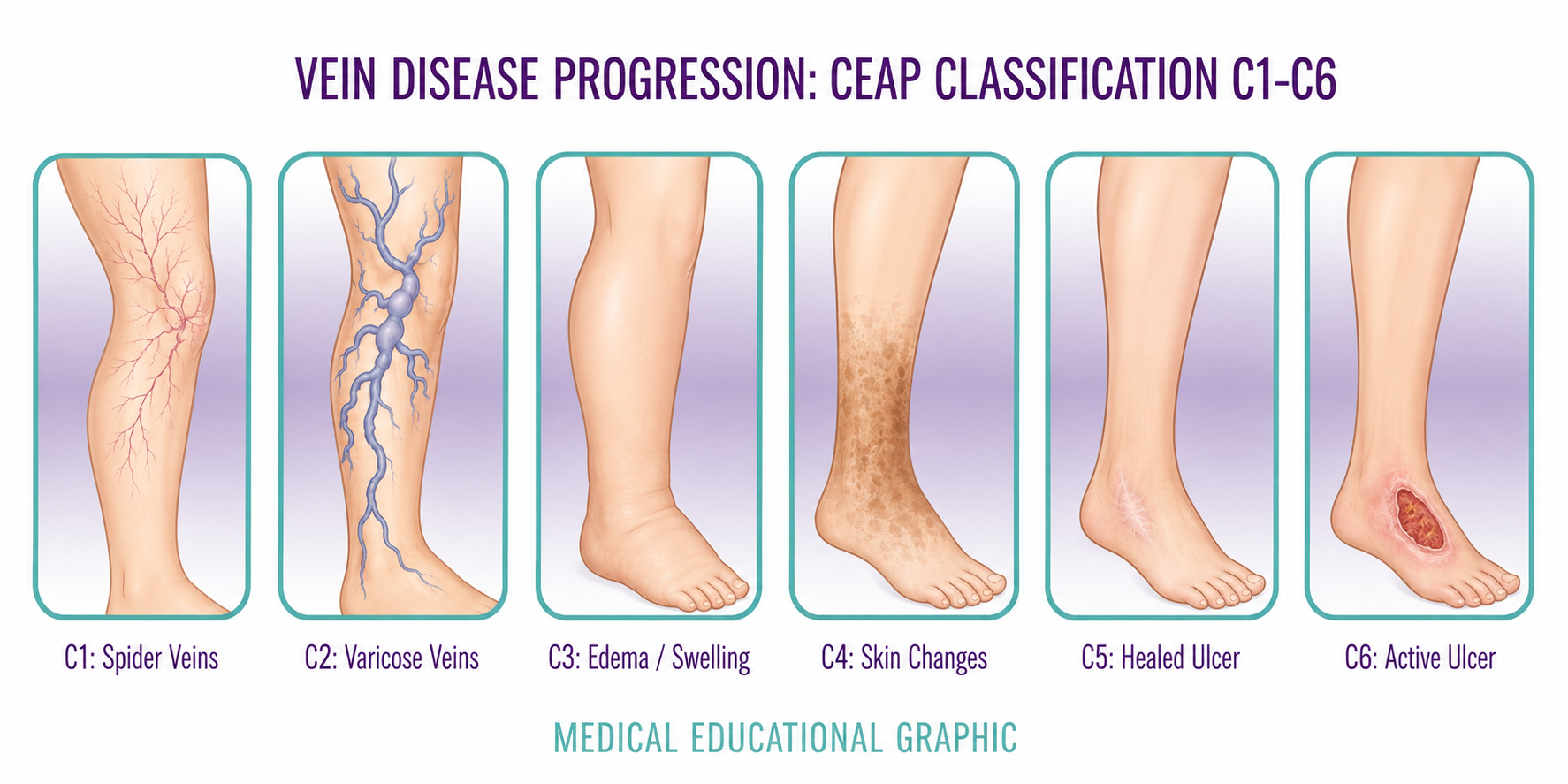
Many people think varicose veins are only a cosmetic concern. However, varicose veins can also be connected to aching, heaviness, swelling, itching, skin discoloration, leg cramps, and slow-healing wounds.
These symptoms may be signs of chronic venous insufficiency, a condition in which the veins in the legs have difficulty returning blood to the heart.
If you have persistent leg symptoms, a vein evaluation can help determine whether an underlying vein condition may be contributing to the problem and whether treatment may be covered by your insurance. Not sure when to be seen? Read Do You Need a Vein Specialist?
When Does Medicare Cover Varicose Vein Treatment?
Medicare coverage is generally based on medical necessity. This means treatment may be considered when vein disease is causing symptoms or complications, rather than when veins are only visible.
Coverage may be available when varicose veins are associated with symptoms such as:
- Leg aching, throbbing, heaviness, or fatigue
- Persistent ankle or lower-leg swelling
- Pain that worsens after standing or sitting for long periods
- Nighttime leg cramps
- Itching, burning, or irritation around the lower legs
- Painful or inflamed varicose veins
- Brown or reddish skin discoloration near the ankles
- Venous stasis dermatitis or recurring skin irritation
- Slow-healing wounds or venous leg ulcers
- Bleeding from a varicose vein
Symptoms alone do not guarantee coverage. Your provider may also need to document the severity of your condition and confirm whether venous reflux is present.
Venous reflux is backward blood flow in the veins. It can occur when the valves inside the veins no longer work properly.
What Is Considered Cosmetic Vein Treatment?
Vein treatment is more likely to be considered cosmetic when veins are visible but do not cause symptoms or medical complications.
For example, treatment for spider veins or painless varicose veins may not be covered by Medicare or other insurance plans. Cosmetic vein services are often self-pay.
However, visible veins are not the only sign of vein disease. Some patients have swelling, aching, heaviness, skin changes, or cramps without large bulging veins.
A medical evaluation can help identify whether your symptoms may be related to chronic venous insufficiency. To see how the condition can progress, read about the six stages of vein disease.
What Testing Is Needed Before Vein Treatment?
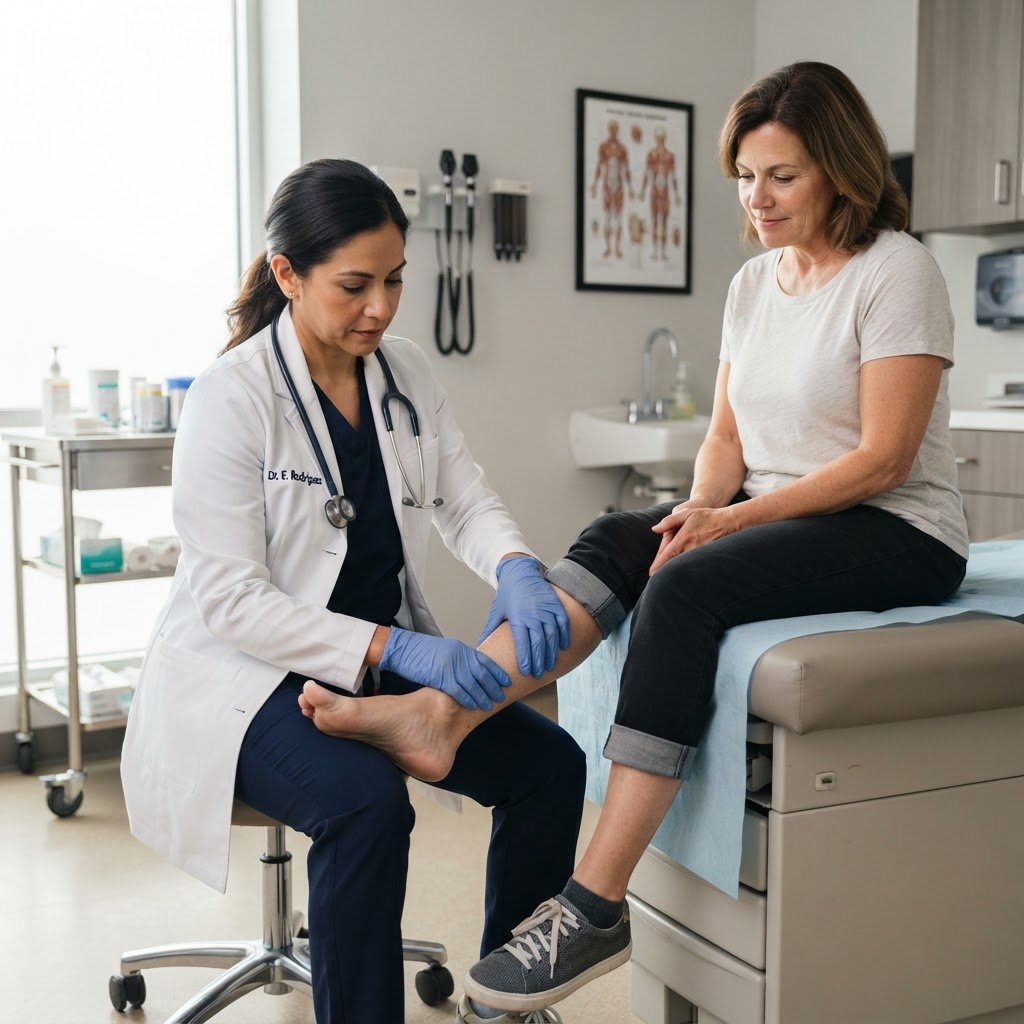
A vein evaluation usually begins with a review of your symptoms, medical history, and a physical examination.
If vein disease is suspected, your provider may recommend a duplex venous ultrasound.
This noninvasive test uses sound waves to evaluate blood flow inside the leg veins. It can help identify:
- Venous reflux
- Vein valve dysfunction
- Enlarged or abnormal superficial veins
- Other findings that may affect treatment planning
A venous ultrasound helps your provider determine whether your symptoms may be related to chronic venous insufficiency and whether treatment may be medically appropriate.
Do You Have to Wear Compression Stockings First?
Many insurance plans require a period of conservative treatment before approving a procedure for varicose veins or venous insufficiency.
Conservative treatment may include:
- Graduated compression stockings
- Walking or regular exercise
- Leg elevation
- Weight management when appropriate
- Avoiding long periods of sitting or standing
- Medication when medically appropriate
The amount of time required for conservative treatment varies by insurance plan. Some plans may require documentation showing that symptoms continued despite compression stockings and other measures.
What Vein Treatments May Be Covered?
When treatment is medically necessary and benefits are available, insurance may cover certain minimally invasive procedures used to treat diseased veins.
The right treatment depends on your symptoms, ultrasound results, health history, and the veins involved.
Possible treatment options may include:
- Endovenous radiofrequency ablation
- Ultrasound-guided sclerotherapy
- Medical-grade compression therapy
Not every treatment is right for every patient. Your vein specialist can recommend options based on your individual condition and help review coverage requirements.
Does Medicare Advantage Cover Vein Treatment?
Medicare Advantage plans may cover medically necessary vein treatment, but plan rules can differ from Original Medicare.
Your coverage may depend on:
| Coverage Factor | Why It Matters |
|---|---|
| Your symptoms | Persistent symptoms can help establish medical necessity. |
| Ultrasound findings | Results may show venous reflux or other vein abnormalities. |
| Conservative treatment | Your plan may require compression stockings or other measures first. |
| Prior authorization | Medicare Advantage plans may require approval before treatment. |
| Network status | Your plan may require treatment from an in-network provider. |
| Local coverage rules | Medicare criteria can differ by region and plan. |
A benefits review before treatment can help clarify what your plan requires. It is important to remember that insurance coverage cannot be guaranteed until your specific plan reviews the claim or authorization request.
How Do I Find Out if My Insurance Covers Vein Treatment?
The first step is a medical evaluation. Your vein care team can document your symptoms, perform diagnostic testing when appropriate, and review the insurance requirements related to your treatment plan.
Before scheduling a procedure, ask:
- Is my treatment considered medically necessary?
- Does my plan require compression stockings first?
- Does my plan require prior authorization?
- Is America’s Vein Doctors in my insurance network?
- What copays, deductibles, or out-of-pocket costs may apply?
- Does my plan cover the recommended procedure?
Because insurance benefits and medical policies can change, it is important to confirm coverage directly with your insurance company.
Vein Care in Michigan and South Carolina
America's Vein Doctors evaluates patients with symptoms of chronic venous insufficiency, varicose veins, leg swelling, skin changes, and venous ulcers.
We serve patients at locations in:
If you are looking for a vein doctor near you in metro Detroit, Greenville, Spartanburg, or the Columbia area, an evaluation can help you understand what may be causing your symptoms.
Frequently Asked Questions
Does Medicare pay for vein ablation?
Medicare may cover vein ablation when the procedure is medically necessary and your plan’s coverage requirements are met. Treatment performed only for cosmetic reasons is generally not covered.
Does Medicare cover spider vein treatment?
Spider vein treatment is often considered cosmetic, particularly when it is not connected to symptoms or a diagnosed medical condition. Check your benefits before treatment.
Are varicose veins a medical problem or a cosmetic problem?
They can be either. Some varicose veins are primarily cosmetic, while others are associated with pain, swelling, skin changes, venous reflux, or ulcers.
Will I need an ultrasound for varicose vein treatment?
Often, yes. A duplex venous ultrasound is commonly used to evaluate blood flow and identify venous reflux before medical vein treatment is considered.
Can I have vein disease without visible varicose veins?
Yes. Chronic venous insufficiency can cause aching, heaviness, swelling, cramping, itching, or skin discoloration even when large varicose veins are not visible.
Schedule a Vein Evaluation
You do not have to assume that leg pain, swelling, heaviness, or skin changes are simply part of aging.
If your symptoms persist, a vein evaluation can help identify whether chronic venous insufficiency may be involved.
At America's Vein Doctors, our team uses comprehensive evaluations and diagnostic ultrasound when medically appropriate to help patients understand their vein health and treatment options.
Schedule an evaluation at an America's Vein Doctors location in Michigan or South Carolina to learn whether vein disease may be contributing to your symptoms. You can also call 866-692-4907.
Schedule a Vein EvaluationThis article is for educational purposes only and does not replace individualized medical advice, diagnosis, or treatment. Insurance coverage and authorization requirements vary by plan. For sudden one-sided leg swelling, severe leg pain, chest pain, shortness of breath, or coughing up blood, seek emergency medical care immediately.
Dr. Robert Musson
America's Vein Doctors by Allure Medical
Dr. Robert Musson contributes educational articles focused on chronic venous insufficiency, vein disease, circulation, and the symptoms that can affect patients' long-term health and quality of life.